
Call us now :08071630254
 Send Inquiry
 Send Inquiry
Gasoline in Water
MOQ : 1 Kilograms
Gasoline in Water Specification
- CAS No
- 8006-61-9
- Refractive Rate
- 1.400-1.475
- Grade
- Industrial Grade
- Storage
- Store in a cool, well-ventilated area away from sources of ignition
- EINECS No
- 232-349-1
- Purity
- 99%
- Density
- 0.77 Gram per cubic centimeter(g/cm3)
- Molecular Weight
- 60-115 g/mol (range based on composition)
- Properties
- Clear, highly volatile, flammable liquid with characteristic aromatic odor, insoluble in water, floats on water.
- Usage
- Additive in water for leakage/calibration testing or fuel contamination analysis
- Structural Formula
- Variable (mixture of alkanes, cycloalkanes and aromatics, typically CnH2n+2, CnH2n, CnHn)
- Application
- Fuel, laboratory and industrial applications, analytical testing
- Physical Form
- Liquid
- Poisonous
- YES
- Ingredients
- Mixture of hydrocarbons (majority alkanes, cycloalkanes, aromatic hydrocarbons)
- Shelf Life
- 12 Months (under recommended storage)
- Appearance
- Colorless to light yellow liquid
- Solubility
- Insoluble in water, soluble in organic solvents
- Melting Point
- Below -40°C
- Molecular Formula
- C4-C12 Hydrocarbons
- Ph Level
- Not Applicable (neutral, non-aqueous)
- Taste
- Petroleum-like
- HS Code
- 27101200
- Product Type
- Chemical
- Smell
- Pungent, characteristic gasoline odor
- Flash Point
- < -40C
- Stability
- Stable under recommended storage conditions
- Ignition Temperature
- ~257C
- Transport Information
- UN 1203, IMDG Code 3
- Minimum Order Quantity
- As specified by supplier
- Packing Type
- HDPE or steel drums, bottles, or carboys
- Environmental Hazard
- Harmful to aquatic life; avoid release to the environment
- Toxicity
- Toxic by inhalation, ingestion, and skin absorption
- Hazard Class
- Class 3 (Flammable Liquid)
- Vapor Pressure
- 27-75 kPa (at 37.8C)
- Boiling Point
- 30-200C (mixture range)
Gasoline in Water Trade Information
- Minimum Order Quantity
- 1 Kilograms
- Payment Terms
- Cash Advance (CA), Cash in Advance (CID)
- Supply Ability
- 500 Kilograms Per Month
- Delivery Time
- 3-4 Week
- Sample Available
- Yes
- Sample Policy
- Sample costs shipping and taxes has to be paid by the buyer
- Main Export Market(s)
- Australia, Western Europe, Middle East, Central America, Africa, South America, Asia, Eastern Europe, North America
- Main Domestic Market
- All India
About Gasoline in Water
Gasoline in Water
Properties
| Related Categories | Additional Standards, Analytical Standards,Analytical/Chromatography, Certified Reference Materials (CRMs), Environmental Matrix CRMs (RTC), |
| packaging | ampule of 2 mL |
| mfr. no. | RTC, QCO-010 |
| concentration | 100% in methanol |
| application(s) | HPLC: suitable |
| gas chromatography (GC): suitable | |
| format | matrix material |
| storage temp. | 2-8°C |
Applications and Benefits
Gasoline in Water serves several key roles in laboratory and industrial settings. It is widely used for fuel contamination analysis, leak detection, and as a calibration standard for analytical testing. Its unique formulation ensures high sensitivity and accuracy in detecting minute hydrocarbon presences. Industries benefit from its stability and reliability, provided safety guidelines are strictly followed.
Safe Handling and Storage Practices
Due to its extreme flammability and toxicity, handling Gasoline in Water requires caution. Store only in HDPE or steel containers, in a cool, well-ventilated area, away from all ignition sources. Always wear suitable PPE including gloves and masks to avoid inhalation, ingestion, or skin contact. Environmental precautions are vital to prevent harm to aquatic life.
FAQs of Gasoline in Water:
Q: How should Gasoline in Water be safely stored?
A: Store Gasoline in Water in tightly sealed HDPE or steel drums, bottles, or carboys, in a cool, well-ventilated area away from direct sunlight, heat, and sources of ignition. Maintain containers upright and in conditions recommended by the supplier to ensure safety and product stability.Q: What is the main usage of Gasoline in Water for industrial or laboratory purposes?
A: This product is predominantly used as an additive in water for fuel leakage or calibration testing, and for analyzing fuel contamination. Its precise formulation allows for reliable detection and quantification of hydrocarbon contamination in water samples.Q: When should personal protective equipment be used while working with Gasoline in Water?
A: Personal protective equipmentincluding chemical-resistant gloves, goggles, and appropriate respiratory protectionshould be used whenever there is a risk of contact or inhalation. Always employ PPE during handling, transferring, or sampling to minimize health hazards.Q: Where is Gasoline in Water commonly transported and what are the transport regulations?
A: Gasoline in Water is transported in compliance with international regulations: it is classified under UN 1203 and IMDG Code 3 as a flammable liquid. Suitable containers include approved HDPE or steel drums. The product is shipped by certified suppliers, primarily within industrial and laboratory sectors.Q: What is the environmental hazard associated with Gasoline in Water and how can it be mitigated?
A: It is harmful to aquatic life, so any release to drains, waterways, or soil must be strictly avoided. In case of accidental spillage, contain and collect the liquid promptly and dispose of it according to local hazardous waste regulations to minimize environmental impact.Q: How does Gasoline in Water benefit laboratory testing and calibration processes?
A: Its high volatility, defined boiling point range, and known composition make it an excellent standard for fuel contamination analysis and calibration of analytical instruments. These qualities ensure reproducible, accurate results in laboratory and industrial quality control tests.
Tell us about your requirement

Price:
Quantity
Select Unit
- 50
- 100
- 200
- 250
- 500
- 1000+
Additional detail
Mobile number
Email

More Products in Analytical Grade Chemicals Category
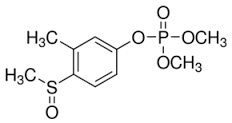
Fensulfothion oxon
Price 100 INR
Minimum Order Quantity : 1 Kilograms
Purity : 98%
Appearance : White to OffWhite Solid
Molecular Formula : C10H15O4PS
Molecular Weight : 262.26 Grams (g)
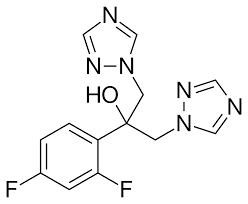

Apigenin 7-O-glucuronide
Price 100 INR
Minimum Order Quantity : 1 Kilograms
Purity : 95%
Appearance : Yellow crystalline solid
Molecular Formula : C21H18O11
Molecular Weight : 446.4 Grams (g)
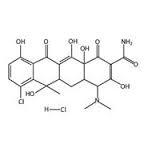
Chlortetracycline for system suitability
Price 100 INR
Minimum Order Quantity : 1 Kilograms
Purity : 85%
Appearance : Yellow powder.
Molecular Formula : C22H24Cl2N2O8
Molecular Weight : 515.3 Grams (g)

 Send Inquiry
Our Products


Kesarkunj, Rm No. 9, Vasanji Lalji Road, Kandivali (W), Mumbai - 400067, Maharashtra, India

Mr Nilesh Shah
(Director)
Mobile :08071630254
 Send Inquiry
 Send SMS
 Call Me Free
Developed and Managed by Infocom Network Private Limited.
