
Call us now :08071630254
 Send Inquiry
 Send Inquiry
Glass-ceramic (thermal conductivity and diffusivity)
Glass-ceramic (thermal conductivity and diffusivity) Specification
- Density
- 2.7 Gram per cubic centimeter(g/cm3)
- Properties
- High thermal conductivity low thermal expansion and high heat resistance
- Purity
- N/A (Composite material)
- Melting Point
- Approximately 1400°C (varies depending on composition)
- HS Code
- 7003.00.90 (depending on region and specific use)
- Smell
- Odorless
- Ph Level
- Neutral
- CAS No
- N/A (Multiple compositions possible)
- Usage
- Thermal insulation cooking surfaces electrical isolation and industrial processing
- Solubility
- Insoluble in water
- Physical Form
- Solid
- Poisonous
- NO
- Storage
- Store in a dry and stable environment to avoid damage
- Appearance
- Translucent to opaque can vary based on composition
- Application
- Used in cookware photovoltaics heat resistance applications and specialized engineering products
- Ingredients
- Aluminosilicate base with varying additives (e.g. oxides of lithium magnesium aluminium and silicon)
- Shape
- Customizable; sheets plates or molded products
- Grade
- Industrial grade
- Structural Formula
- N/A (Composite material not a chemical compound)
- Shelf Life
- Indefinite under proper storage conditions
About Glass-ceramic (thermal conductivity and diffusivity)
Glass-ceramic (thermal conductivity and diffusivity)PropertiesRelated CategoriesAdditional Standards,Analytical Standards,Analytical/Chromatography,Industrial Raw Materials,Matrix Non-metals,Pharmacopeia & Metrological Institutes Standards,Reference Materials from the European Commissions Joint Research Centre (formerly IRMM)form particlesroddiam. H 13.00mm 18mmformat neatPropertiesRelated CategoriesAdditional Standards,Analytical Standards,Analytical/Chromatography,ApplicationIndustrial Raw Materials,Matrix Non-metals,Pharmacopeia & Metrological Institutes Standards,Reference Materials from the European Commissions Joint Research Centre (formerly IRMM)form particlesroddiam. H 25.9mm 22mmformat neatPropertiesRelated CategoriesAdditional Standards,Analytical Standards,Analytical/Chromatography,Industrial Raw Materials,Matrix,Non-metals,Pharmacopeia & Metrological Institutes Standards,Reference Materials from the European Commissions Joint Research Centre (formerly IRMM)form particlesroddiam. H 26.9mm 22mmformat neatFAQs of Glass-ceramic (thermal conductivity and diffusivity):
Q: What are the key applications of Glass-ceramic?
A: Glass-ceramic is primarily used in cookware, photovoltaics, heat resistance applications, and specialized engineering products.Q: Can Glass-ceramic be customized in terms of shape?
A: Yes, Glass-ceramic can be customized in various forms like sheets, plates, or molded products to meet specific requirements.Q: What are the thermal properties of Glass-ceramic?
A: Glass-ceramic has high thermal conductivity, low thermal expansion, and excellent heat resistance, making it suitable for thermal insulation and industrial processing.Q: How should Glass-ceramic be stored?
A: It should be stored in a dry and stable environment to avoid damage and ensure indefinite shelf life.Q: What is the composition of Glass-ceramic?
A: Glass-ceramic is a composite material with an aluminosilicate base and varying additives like oxides of lithium, magnesium, aluminum, and silicon.
Tell us about your requirement

Price:
Quantity
Select Unit
- 50
- 100
- 200
- 250
- 500
- 1000+
Additional detail
Mobile number
Email

More Products in Analytical Grade Chemicals Category
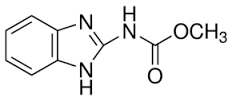
Fenbendazole impurity A
Price 100 INR
Minimum Order Quantity : 1 Kilograms
Molecular Weight : 299.35
Appearance : OffWhite Solid
Purity : 99&%
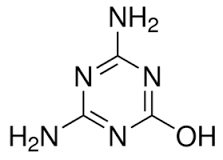
Atrazine-desethyl-desisopropyl-2-hydroxy Solution
Price 100 INR / Kilograms
Minimum Order Quantity : 1 Kilograms
Molecular Weight : 127.10 Grams (g)
Purity : 98%
Molecular Formula : C3H5N5O

Transplatin
Price 100 INR
Minimum Order Quantity : 1 Kilograms
Molecular Weight : 300 Grams (g)
Appearance : yellow solid
Molecular Formula : Cl2H6N2Pt
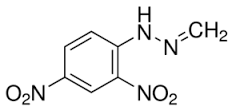
Butyraldehyde-2,4-dnph Solution
Price 100 INR
Minimum Order Quantity : 1 Kilograms
Molecular Weight : 72.11 Grams (g)
Appearance : clear liquid
Purity : 98%
Molecular Formula : C4H8O

 Send Inquiry
Our Products


Kesarkunj, Rm No. 9, Vasanji Lalji Road, Kandivali (W), Mumbai - 400067, Maharashtra, India

Mr Nilesh Shah
(Director)
Mobile :08071630254
 Send Inquiry
 Send SMS
Developed and Managed by Infocom Network Private Limited.
