
Call us now :08071630254
 Send Inquiry
 Send Inquiry
Glass (trace elements)
Glass (trace elements) Specification
- Ph Level
- N/A (chemically inert)
- Purity
- Dependent on composition; silica purity typically > 99%
- Shelf Life
- Indefinite under proper storage conditions
- Melting Point
- Typically 1400-1600°C
- HS Code
- 7002.10 (dependent on product form)
- Grade
- Industrial research or optical grade
- Density
- 2.6 Gram per cubic centimeter(g/cm3)
- Usage
- Industrial and research-grade applications
- Smell
- Odorless
- Appearance
- Transparent to translucent sometimes colored depending on trace elements
- Solubility
- Insoluble in water
- Shape
- Can be flat curved or custom shapes depending on its application
- Application
- Used in optical lenses laboratory equipment electronics and construction materials
- Molecular Formula
- SiO2 + trace elements
- Poisonous
- NO
- Structural Formula
- Amorphous or crystalline silica network with trace elements
- Properties
- High thermal resistance optical clarity electrical insulation
- EINECS No
- 231-545-4
- Refractive Rate
- Approximately 1.5
- Molecular Weight
- Varies depending on trace elements
- Storage
- Store in a clean dry environment to avoid contamination
- Ingredients
- Silicon dioxide (SiO2) with trace elemental additions
- Physical Form
- Solid typically transparent or translucent
- CAS No
- 14808-60-7 (for silica base without trace elements)
About Glass (trace elements)
Glass (trace elements)platesPropertiesRelated CategoriesAdditional Standards,Analytical Reagents,Analytical Standards,Analytical/Chromatography,Application CRMs,Atomic Absorption Spectroscopy (AAS),Certified Reference Materials (CRMs),Environmental CRM,Environmental Matrix CRMs (IRMM),Glass and Plastics Matrix CRMs (Element content),Industry,Matrix CRMs,Matrix Standards with Certified Elemental Content,Pharmacopeia & Metrological Institutes Standards,Reference Materials from the European Commissions Joint Research Centre (formerly IRMM),Spectroscopyform platesformat matrix materialFAQs of Glass (trace elements):
Q: What are the physical properties of Glass (trace elements)?
A: Glass (trace elements) is solid, typically transparent or translucent, odorless, and chemically inert with high thermal resistance, optical clarity, and excellent electrical insulation.Q: What applications is Glass (trace elements) suitable for?
A: It is used in optical lenses, laboratory equipment, electronics, and construction materials.Q: Is Glass (trace elements) poisonous or hazardous?
A: No, Glass (trace elements) is not poisonous or hazardous.Q: How should Glass (trace elements) be stored?
A: It should be stored in a clean, dry environment to avoid contamination.Q: What is the melting point of Glass (trace elements)?
A: The melting point is typically between 1400C and 1600C.Q: Does Glass (trace elements) dissolve in water?
A: No, Glass (trace elements) is insoluble in water.Q: What is the shelf life of Glass (trace elements)?
A: Glass (trace elements) has an indefinite shelf life under proper storage conditions.
Tell us about your requirement

Price:
Quantity
Select Unit
- 50
- 100
- 200
- 250
- 500
- 1000+
Additional detail
Mobile number
Email

More Products in Analytical Grade Chemicals Category
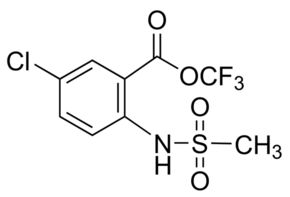
Amidoflumet
Price 100 INR
Minimum Order Quantity : 1 Kilograms
Molecular Weight : 317.67 Grams (g)
Purity : 98%
Melting Point : (oC), 81
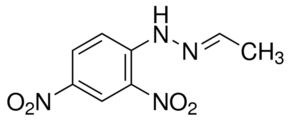
Acetaldehyde-2,4-DNPH
Price 100 INR
Minimum Order Quantity : 1 Kilograms
Molecular Weight : 224.17
Purity : 96%
Melting Point : 165168 °C (lit.)

Potassium atomic spectroscopy standard concentrate 10.00 g K
Price 100 INR
Minimum Order Quantity : 1 Kilograms
Molecular Weight : 39.098 Grams (g)
Purity : 98%
Melting Point : 336.7 K (63.5 C, 146.3 F)
Poisonous : NO
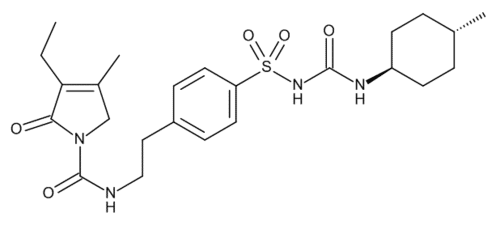
Glimepiride for system suitability
Price 100 INR
Minimum Order Quantity : 1 Kilograms
Molecular Weight : 490.6 Grams (g)
Purity : 98%
Melting Point : 207 °C

 Send Inquiry
Our Products


Kesarkunj, Rm No. 9, Vasanji Lalji Road, Kandivali (W), Mumbai - 400067, Maharashtra, India

Mr Nilesh Shah
(Director)
Mobile :08071630254
 Send Inquiry
 Send SMS
 Call Me Free
Developed and Managed by Infocom Network Private Limited.
