
Call us now :07971189995
 Send Inquiry

 Send Inquiry
Glibenclamide impurity B
MOQ : 1 Kilograms
Glibenclamide impurity B Specification
- Molecular Weight
- 494 Grams (g)
- Melting Point
- 169 to 170 C (336 to 338 F)
- Purity
- 97%
- Usage
- Glibenclamide is a first line option for treating type 2 diabetes in people who are not overweight, or who cannot take metformin. It is used when diet and exercise have failed to control blood sugar levels. It can also be used in combination with other antidiabetic medicines to provide better control of blood sugar.
- Appearance
- White to off-white solid
Glibenclamide impurity B Trade Information
- Minimum Order Quantity
- 1 Kilograms
- Payment Terms
- Cash in Advance (CID), Cash Advance (CA)
- Supply Ability
- 500 Kilograms KG Per Month
- Delivery Time
- 2-8 Week
- Sample Available
- Yes
- Sample Policy
- Sample costs shipping and taxes has to be paid by the buyer
- Packaging Details
- Carton and Poly Bag.
- Main Export Market(s)
- Australia, North America, Eastern Europe, Middle East, Western Europe, Africa, Central America, South America, Asia
- Main Domestic Market
- All India
About Glibenclamide impurity B
Glibenclamide impurity BEuropean Pharmacopoeia (EP) Reference StandardSynonym: Methyl {{4-{2-[(5-chloro-2-methoxybenzoyl)amino]ethyl}phenyl}sulfonyl}carbamateCAS Number21165-77-5Empirical Formula (Hill Notation)C18H19ClN2O6SMolecular Weight426.87PropertiesRelated CategoriesAnalytical Standards,Analytical/Chromatography,EP Standards,EP Standards G - H,Pharmacopeia & Metrological Institutes Standardsform neatformat neatFAQs of Glibenclamide impurity B:
Q: What is the purity of Glibenclamide Impurity B?
A: The purity of Glibenclamide Impurity B is 97%.Q: What is the melting point of Glibenclamide Impurity B?
A: The melting point of Glibenclamide Impurity B ranges from 169 to 170 C (336 to 338 F).Q: What is the appearance of Glibenclamide Impurity B?
A: Glibenclamide Impurity B appears as a white to off-white solid.Q: What is the molecular weight of Glibenclamide Impurity B?
A: The molecular weight of Glibenclamide Impurity B is 494 grams (g).Q: What is the usage of Glibenclamide?
A: Glibenclamide is primarily used to treat type 2 diabetes in individuals who are not overweight or cannot take metformin. It is prescribed when diet and exercise fail to control blood sugar levels and can also be used in combination with other antidiabetic medications for improved control of blood sugar levels.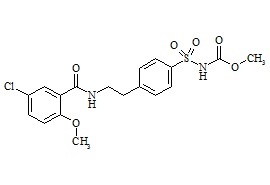
Tell us about your requirement

Price:
Quantity
Select Unit
- 50
- 100
- 200
- 250
- 500
- 1000+
Additional detail
Mobile number
Email

More Products in Analytical Grade Chemicals Category

Betamethasone
Price 100 INR
Minimum Order Quantity : 1 Kilograms
Melting Point : 175178C
Molecular Weight : 392.5
Usage : Betamethasone is a steroid that prevents the release of substances in the body that cause inflammation. Betamethasone topical (for the skin) is used to treat the inflammation and itching caused by a number of skin conditions such as eczema or psoriasis.
Molecular Formula : C22H29FO5

Diclofenac impurity A
Price 100 INR
Minimum Order Quantity : 1 Kilograms
Melting Point : 125131C
Molecular Weight : 278.13 Grams (g)
Molecular Formula : C14H9Cl2NO
Binapacryl Solution
Price 100 INR
Minimum Order Quantity : 1 Kilograms
Melting Point : 66 to 67 C (151 to 153 F; 339 to 340 K)
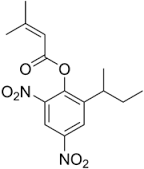
Usage : Binapacryl is a fungicide not approved for use in the EU. It has a low aqueous solubility, is highly volatile and would not normally be expected to leach to groundwater. Binapacryl may be persistent in soil systems.
Molecular Formula : C15H18N2O6

Ceftriaxone sodium
Price 100 INR
Minimum Order Quantity : 1 Kilograms
Melting Point : >155 C
Molecular Weight : 576.6 Grams (g)
Usage : Ceftriaxone (ceftriaxone sodium and dextrose) Injection is an antibacterial drug used to treat conditions such as lower respiratory tract infections, skin and skin structure infections, urinary tract infections, pelvic inflammatory disease, bacterial septicemia, bone and joint infections, and meningitis.

 Send Inquiry
Our Products


Kesarkunj, Rm No. 9, Vasanji Lalji Road, Kandivali (W), Mumbai - 400067, Maharashtra, India

Mr Nilesh Shah
(Director)
Mobile :07971189995
 Send Inquiry
 Send SMS
 Call Me Free

Developed and Managed by Infocom Network Private Limited.
