Call us now :08071630254
 Send Inquiry
 Send Inquiry
Gold Standard for AAS
MOQ : 1 Kilograms
Gold Standard for AAS Specification
- Poisonous
- Non-poisonous (with proper handling)
- Grade
- Analytical Grade
- Ingredients
- Gold standard solution in nitric acid matrix
- Molecular Weight
- 196.97 g/mol (for Au)
- Shelf Life
- Typically 12-24 months
- Structural Formula
- N/A for solution
- Density
- 1 Gram per cubic centimeter(g/cm3)
- Molecular Formula
- Au in HNO3
- Properties
- Traceable to NIST, high reliability, ready-to-use solution for atomic absorption spectroscopy
- CAS No
- 7440-57-5 (for Gold)
- Ph Level
- <1 (acidic)
- Application
- Calibration standard for Atomic Absorption Spectroscopy (AAS)
- EINECS No
- 231-165-9
- HS Code
- 3822
- Storage
- Store at room temperature, tightly closed, away from direct sunlight
- Melting Point
- Not applicable (solution form)
- Usage
- Used for instrument calibration and quality control in trace elemental analysis
- Appearance
- Clear yellowish solution
- Product Type
- Analytical Standard Solution
- Solubility
- Completely miscible in water
- Physical Form
- Liquid
- Purity
- 99.99% (Metal basis)
- Smell
- Slightly acidic
- Transport
- Non-hazardous for transport as per current regulations
- Stability
- Stable under recommended storage conditions
- Volume Options
- Typically available in 100 mL, 500 mL or as required
- Concentration
- 1000 mg/L (Gold as Au) in 2% HNO3
- Packaging Type
- Sealed polyethylene/plastic bottle
Gold Standard for AAS Trade Information
- Minimum Order Quantity
- 1 Kilograms
- Payment Terms
- Cash in Advance (CID), Cash Advance (CA)
- Supply Ability
- 500 Kilograms Per Month
- Delivery Time
- 3-4 Week
- Sample Available
- Yes
- Sample Policy
- Sample costs shipping and taxes has to be paid by the buyer
- Main Export Market(s)
- Australia, Eastern Europe, Central America, Middle East, South America, Western Europe, Asia, North America, Africa
- Main Domestic Market
- All India
About Gold Standard for AAS
Gold Standard for AAS
1000 mg/L Au in hydrochloric acid
| Related Categories | AAS, AAS CRMs, Additional Standards, Analytical Standards, Analytical/Chromatography, |
| concentration | 1000 mg/L Au in hydrochloric acid |
Precision Calibration for AAS
This gold standard solution enables accurate calibration and consistent quantitative results in atomic absorption spectroscopy (AAS). It is formulated to deliver high reliability, ensuring trace elemental measurements are precise and reproducible for critical analytical processes in laboratories.
High Purity and Traceability
Manufactured from 99.99% pure gold, the solution is traceable to NIST reference materials. This traceability ensures confidence in measurements and compliance with quality control protocols, making it ideal for use in research, industrial, and environmental laboratories.
Safe Handling and Storage
Packaged in robust, sealed bottles, the solution is non-poisonous when handled according to protocol and classified as non-hazardous for transport. Store at room temperature, tightly closed, and away from direct sunlight to maintain peak stability throughout its shelf life.
FAQs of Gold Standard for AAS:
Q: How is the Gold Standard for AAS used in atomic absorption spectroscopy?
A: The Gold Standard solution is used to calibrate atomic absorption spectrometers, ensuring accurate detection and quantification of gold in samples. Simply dilute or use as supplied to prepare calibration curves for trace elemental analysis.Q: What safety precautions are necessary when handling this product?
A: While the solution is non-poisonous with proper handling, it contains 2% nitric acid and should be managed using standard laboratory safety equipment such as gloves and eye protection. Avoid exposure to skin and eyes, and work in a well-ventilated area.Q: When should the solution be replaced or not used?
A: It is recommended to use the solution within its shelf life of 1224 months. Discard if the solution appears cloudy, contaminated, or past its expiration date to maintain analytical accuracy.Q: Where should the Gold Standard solution be stored for maximum stability?
A: Store the sealed bottle at room temperature, away from direct sunlight. Ensure the container is tightly closed to prevent contamination and evaporation, which could affect concentration.Q: What are the benefits of using a NIST-traceable gold standard for AAS?
A: Using a NIST-traceable standard provides documented reliability and accuracy, supporting data integrity and regulatory compliance for laboratory analyses requiring gold calibration.Q: Is the solution hazardous to transport and what type of packaging is used?
A: This product is classified as non-hazardous for transport under current regulations. It is supplied in sealed polyethylene or plastic bottles that are leak-proof and chemically resistant.Q: What volume options are available, and can custom sizes be requested?
A: Standard volumes are 100 mL or 500 mL, but custom volumes can be provided upon request to accommodate specific laboratory requirements.
Tell us about your requirement

Price:
Quantity
Select Unit
- 50
- 100
- 200
- 250
- 500
- 1000+
Additional detail
Mobile number
Email

More Products in Analytical Grade Chemicals Category

2,4-DDT
Purity : Typically >97%
Molecular Formula : C14H9Cl5
Melting Point : 108.5C
Molecular Weight : 354.49 g/mol
![1,1-Oxybis[3-(2-methoxyphenoxy)-2-propanol]](https://cpimg.tistatic.com/03368433/b/5/1-1-Oxybis-3-2-methoxyphenoxy-2-propanol-.png)
1,1-Oxybis[3-(2-methoxyphenoxy)-2-propanol]
Price 100 INR
Minimum Order Quantity : 1 , , Kilograms
Purity : 97%
Molecular Formula : C3H8O
Melting Point : 126 °C
Molecular Weight : 60.09 Grams (g)
Iodide Standard for IC
Price 100 INR
Minimum Order Quantity : 1 Kilograms
Purity : 99%
Molecular Formula : I2
Molecular Weight : 253.8089 Grams (g)
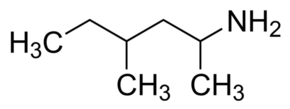
1,3-Dimethylamylamine
Price 100 INR
Minimum Order Quantity : 1 Kilograms
Purity : 99.8%
Molecular Formula : C7H17N
Melting Point : 120 130 °C
Molecular Weight : 115.2166 Grams (g)

 Send Inquiry
Our Products


Kesarkunj, Rm No. 9, Vasanji Lalji Road, Kandivali (W), Mumbai - 400067, Maharashtra, India

Mr Nilesh Shah
(Director)
Mobile :08071630254
 Send Inquiry
 Send SMS
 Call Me Free
Developed and Managed by Infocom Network Private Limited.
