
Call us now :08071630254
 Send Inquiry
 Send Inquiry
Ground water (trace elements)
Ground water (trace elements) Specification
- Density
- 1 Gram per cubic centimeter(g/cm3)
- EINECS No
- 231-791-2 (for water; individual elements vary)
- Solubility
- Water is a universal solvent; trace elements are found dissolved
- Smell
- Odorless or slightly earthy/mineral-like depending on composition
- Molecular Weight
- 18.015 g/mol (for water; trace elements vary)
- Properties
- Varies; includes trace minerals ions and elements depending on source
- Purity
- Varies depending on source and mineral content
- Ph Level
- Typically 6.5 to 8.5 (may vary based on trace elements)
- Storage
- Store in clean contamination-free environments at room temperature
- Physical Form
- Liquid
- HS Code
- 2853.00 (for water analysis samples; varies by trace elements)
- Taste
- Neutral varies based on trace elements present
- Usage
- Usage varies by industry including drinking water analysis irrigation and research
- Ingredients
- Predominantly water (H2O) with trace elements like Fe Mg Ca Na and others
- Melting Point
- 0°C (pure water; presence of trace elements may shift slightly)
- Poisonous
- NO
- Molecular Formula
- Varies; predominantly H2O with trace amounts of minerals and elements
- CAS No
- 7732-18-5 (for water; individual trace elements have separate CAS numbers)
- Shape
- Liquid (no fixed shape)
- Application
- Environmental studies health monitoring agricultural analysis industrial processes
- Grade
- Environmental-grade research-grade or industrial-grade
- Refractive Rate
- 1.333 (pure water; may vary with content)
- Shelf Life
- Indefinite if stored correctly; avoid contamination
- Structural Formula
- H2O with dissolved ions and minerals (e.g. Na+ Ca2+ Mg2+)
- Appearance
- Clear colorless
About Ground water (trace elements)
Ground water (trace elements)PropertiesRelated CategoriesAnalytical Reagents,Analytical Standards,Analytical/Chromatography,Atomic Absorption Spectroscopy (AAS),Matrix Standards with Certified Elemental Content,Pharmacopeia & Metrological Institutes Standards,Reference Materials from the European Commissions Joint Research Centre (formerly IRMM),Spectroscopy,Water and Water Pollution Matrix CRMs (Element content)format matrix materialFAQs of Ground water (trace elements):
Q: What are the primary applications of Ground Water (trace elements)?
A: Ground Water (trace elements) is used in environmental studies, health monitoring, agricultural analysis, industrial processes, drinking water analysis, irrigation, and research purposes.Q: How should Ground Water (trace elements) be stored to ensure its shelf life?
A: Store it in clean, contamination-free environments at room temperature to maintain its indefinite shelf life. Avoid contamination to ensure purity.Q: What are the main ingredients in Ground Water (trace elements)?
A: Ground Water (trace elements) primarily consists of water (H2O), with trace elements such as Fe, Mg, Ca, Na, and others dissolved within.Q: Does Ground Water (trace elements) have a specific taste or smell?
A: The taste is neutral but may vary depending on the trace elements present. It is odorless or slightly earthy/mineral-like based on its composition.Q: What is the pH level range of Ground Water (trace elements)?
A: The pH level typically ranges from 6.5 to 8.5, though variations may occur depending on the trace elements present.
Tell us about your requirement

Price:
Quantity
Select Unit
- 50
- 100
- 200
- 250
- 500
- 1000+
Additional detail
Mobile number
Email

More Products in Analytical Grade Chemicals Category
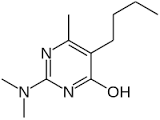
Dimethirimol
Price 100 INR
Minimum Order Quantity : 1 Kilograms
Molecular Formula : CH3OH
Molecular Weight : 32.04 Grams (g)
Purity : 99%
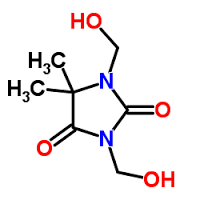
DMDM Hydantoin
Price 100 INR
Minimum Order Quantity : 1 Kilograms
Molecular Formula : C7H12N2O4
Molecular Weight : 188.18 Grams (g)
Purity : 99%
Usage : It is used in the cosmetics industry and found in products like shampoos, hair conditioners, hair gels, Rite Aid Liquid Lubricant, and skin care products. DMDM hydantoin works as a preservative because the released formaldehyde makes the environment less favorable to the microorganisms.
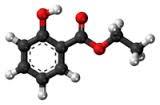
Ethyl salicylate
Price 100 INR
Minimum Order Quantity : 1 Kilograms
Molecular Formula : C9H10O3
Molecular Weight : 166.17 Grams (g)
Usage : Ethyl salicylate is the ester formed by the condensation of salicylic acid and ethanol. It is a clear liquid that is sparingly soluble in water, but soluble in alcohol and ether. It has a pleasant odor resembling wintergreen and is used in perfumery and artificial flavors.
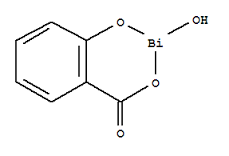
Bismuth Standard for ICP
Price 100 INR
Minimum Order Quantity : 1 Kilograms
Molecular Formula : Bi
Molecular Weight : 208.9804 Grams (g)
Purity : 98%
Usage : Bismuth compounds are used as catalysts in the manufacturing process of synthetic fiber and rubber. When bismuth is combined with other metals such as lead, tin, iron and cadmium, it forms alloys with low melting points that can be used in fire detectors and extinguishers.

 Send Inquiry
Our Products


Kesarkunj, Rm No. 9, Vasanji Lalji Road, Kandivali (W), Mumbai - 400067, Maharashtra, India

Mr Nilesh Shah
(Director)
Mobile :08071630254
 Send Inquiry
 Send SMS
 Call Me Free
Developed and Managed by Infocom Network Private Limited.
