
Call us now :08071630254
 Send Inquiry
 Send Inquiry
Hardness/TSS - Whole Volume
MOQ : 1 Kilograms
Hardness/TSS - Whole Volume Specification
- Application
- Water quality testing and monitoring
- Poisonous
- NO
- Appearance
- Transparent liquid or white granules
- Solubility
- Water-soluble
- HS Code
- 38220000
- Usage
- Measurement of hardness (calcium and magnesium) and Total Suspended Solids (TSS) in liquids
- Purity
- High purity for accurate measurement
- Storage
- Store in a cool dry place away from direct sunlight
- Smell
- Odorless
- Grade
- Analytical grade
- Properties
- Measures water hardness levels and TSS for volume-based testing
- Ingredients
- Calcium carbonate Magnesium sulfate or relevant agents for testing
- Ph Level
- Neutral
- Physical Form
- Liquid or granules (if applicable)
- Shape
- Liquid or crystalline shape for granules
- Shelf Life
- 2 years from the date of manufacture
About Hardness/TSS - Whole Volume
Hardness/TSS - Whole VolumePropertiesRelated CategoriesAdditional Standards,Analytical Standards,Analytical/Chromatography,Certified Reference Materials (CRMs),Environmental Matrix CRMs (RTC),Matrix CRMs,Matrix Materials Standards,Waste Water Matrix CRMs,Water Pollution Matrix - Metals/Inorganic CRMsmfr. no. RTC, QCI-304Hconcentration in H2Oformat matrix materialstorage temp. 2-8CFAQs of Hardness/TSS - Whole Volume:
Q: What is the primary application of Hardness/TSS - Whole Volume?
A: The primary application is water quality testing and monitoring, specifically for measuring hardness levels (calcium and magnesium) and Total Suspended Solids (TSS) in liquids.Q: What is the physical form of Hardness/TSS - Whole Volume?
A: The product is available in either a transparent liquid form or white crystalline granules.Q: How should Hardness/TSS - Whole Volume be stored?
A: It should be stored in a cool, dry place away from direct sunlight.Q: Is Hardness/TSS - Whole Volume poisonous?
A: No, the product is not poisonous.Q: What is the shelf life of Hardness/TSS - Whole Volume?
A: The shelf life is 2 years from the date of manufacture.Q: Is Hardness/TSS - Whole Volume water-soluble?
A: Yes, the product is water-soluble.Q: What is the grade of Hardness/TSS - Whole Volume?
A: The product is of analytical grade, ensuring high purity for accurate measurement.
Tell us about your requirement

Price:
Quantity
Select Unit
- 50
- 100
- 200
- 250
- 500
- 1000+
Additional detail
Mobile number
Email

More Products in Analytical Grade Chemicals Category
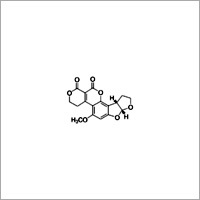
Aflatoxin G2 solution
Price 100 INR
Minimum Order Quantity : 1 Kilograms
Purity : 98%
Molecular Weight : 330.29 Grams (g)
Molecular Formula : C17H14O7
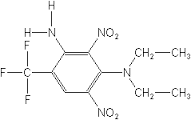
Dinitramine
Price 100 INR
Minimum Order Quantity : 1 Kilograms
Purity : 99.2%
Molecular Weight : 322.24 Grams (g)
Molecular Formula : C11H13F3N4O4
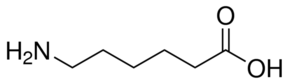
Aminocaproic acid
Price 100 INR
Minimum Order Quantity : 1 Kilograms
Purity : 97%
Molecular Weight : 131.173 Grams (g)
Molecular Formula : C6H13NO2
Usage : This medication is used to treat severe bleeding caused by problems with the blood clotting system, which helps you to stop bleeding. Aminocaproic acid works by affecting the blood clotting system, thereby slowing/stopping bleeding after surgery, in some bleeding conditions, or in severe liver disease.

Acetochlor
Price 100 INR
Minimum Order Quantity : 1 , , Kilograms
Purity : 98%
Molecular Weight : 269.767 Grams (g)
Molecular Formula : C14H20ClNO2
Usage : Uses. In the United States, acetochlor was registered by the EPA as a direct substitute for many herbicides of known concern. The EPA imposed several restrictions and conditions on the use of acetochlor. It is approved for preemergence application or for preplanting application with soil incorporation, in corn.

 Send Inquiry
Our Products


Kesarkunj, Rm No. 9, Vasanji Lalji Road, Kandivali (W), Mumbai - 400067, Maharashtra, India

Mr Nilesh Shah
(Director)
Mobile :08071630254
 Send Inquiry
 Send SMS
 Call Me Free
Developed and Managed by Infocom Network Private Limited.
