
Call us now :08071630254
 Send Inquiry
 Send Inquiry
High-energy Charpy V-notch impact specimen
High-energy Charpy V-notch impact specimen Specification
- Grade
- Industrial grade customized per testing standards
- Usage
- Designed for Charpy impact testing to evaluate the material resilience
- Poisonous
- NO
- Smell
- Odorless
- HS Code
- 90249000 (Testing Instruments and Apparatus - Steel Specimens)
- Appearance
- Metallic finish standardized shape with a V-notch
- Shape
- Rectangular bar with a V-notch
- Ingredients
- Material composition varies (usually steel or alloys)
- Purity
- Depends on material composition
- Physical Form
- Bar-shaped specimens
- Shelf Life
- Indefinite if stored properly
- Solubility
- Insoluble
- Properties
- High strength impact resistance standardized dimensions
- Density
- 7.85 Gram per cubic centimeter(g/cm3)
- Storage
- Store in a dry environment to prevent corrosion
- Application
- Used in material toughness testing under high-energy conditions
- Melting Point
- Depends on material composition
About High-energy Charpy V-notch impact specimen
High-energy Charpy V-notch impact specimenPropertiesRelated CategoriesAnalytical Standards,Analytical/Chromatography,NIST Standards,Pharmacopeia & Metrological Institutes Standardspackaging pkg of setself-verificationPropertiesRelated CategoriesAnalytical Standards,Analytical/Chromatography,NIST Standards,Pharmacopeia & Metrological Institutes Standardspackaging pkg of setFAQs of High-energy Charpy V-notch impact specimen:
Q: What is the primary application of the High-energy Charpy V-notch impact specimen?
A: It is used for material toughness testing under high-energy conditions, specifically designed for Charpy impact testing to evaluate material resilience.Q: What material composition is used for the specimens?
A: The material composition varies, usually consisting of steel or alloys, dependent on specific testing requirements.Q: How should the specimens be stored?
A: They should be stored in a dry environment to prevent corrosion, ensuring indefinite shelf life if stored properly.Q: What is the density of the High-energy Charpy V-notch impact specimen?
A: The density of the specimen is 7.85 grams per cubic centimeter (g/cm3).Q: Are these specimens poisonous or do they have any odor?
A: No, the specimens are odorless, and they are not poisonous.Q: What are the dimensions and physical characteristics of the specimens?
A: The specimens are rectangular bars with a standardized metallic finish and a V-notch, adhering to industrial-grade specifications for testing purposes.Q: Does the melting point vary for these specimens?
A: Yes, the melting point depends on the material composition used for the specimens.
Tell us about your requirement

Price:
Quantity
Select Unit
- 50
- 100
- 200
- 250
- 500
- 1000+
Additional detail
Mobile number
Email

More Products in Analytical Grade Chemicals Category
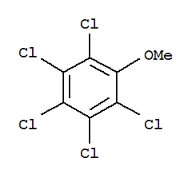
2,3,4,5,6- Pentachloroanisole
Price 100 INR
Minimum Order Quantity : 1 Kilograms
Appearance : White Solid
Molecular Weight : 280.35 Grams (g)
Molecular Formula : C7H3Cl5O
Melting Point : 106108C
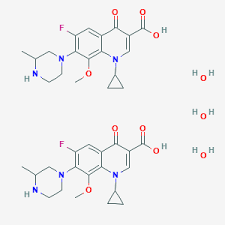
Gatifloxacin sesquihydrate
Price 100 INR / Kilograms
Minimum Order Quantity : 1 Kilograms
Appearance : crystalline powder
Molecular Weight : 804.8 Grams (g)
Molecular Formula : C38H50F2N6O11
Melting Point : 162° C
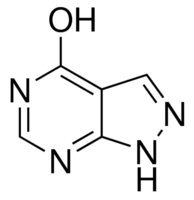
Allopurinol
Price 100 INR
Minimum Order Quantity : 1 Kilograms
Appearance : White crystals or powder
Molecular Weight : 136.112 Grams (g)
Molecular Formula : C5H4N4O
Melting Point : >350 °C

Poloxamer 188
Price 100 INR
Minimum Order Quantity : 1 Kilograms
Appearance : colourless or almost colourless liquid
Molecular Weight : 102.13 Grams (g)
Molecular Formula : C5H10O2
Melting Point : 53 57 °C

 Send Inquiry
Our Products


Kesarkunj, Rm No. 9, Vasanji Lalji Road, Kandivali (W), Mumbai - 400067, Maharashtra, India

Mr Nilesh Shah
(Director)
Mobile :08071630254
 Send Inquiry
 Send SMS
 Call Me Free
Developed and Managed by Infocom Network Private Limited.
