
Call us now :08071630254
 Send Inquiry
 Send Inquiry
High-temperature alloy
High-temperature alloy Specification
- Appearance
- Metallic typically silver gray or darker shades depending on the composition
- Application
- Aerospace power generation automotive and industrial applications
- Refractive Rate
- Not applicable for metals/alloys in solid form
- Structural Formula
- Varies based on alloy type; commonly includes elements like Ni Cr Co Mo W
- Poisonous
- NO
- EINECS No
- Does not have a specific EINECS number as it is a blend
- Density
- 9.0 Gram per cubic centimeter(g/cm3)
- Solubility
- Insoluble in water
- CAS No
- Varies based on the specific alloy composition
- HS Code
- 7505.12 - Nickel-based alloys (example but may vary by composition)
- Physical Form
- Solid (bars sheets rods or custom forms)
- Ingredients
- May include Nickel (Ni) Chromium (Cr) Cobalt (Co) Molybdenum (Mo) Tungsten (W) Iron (Fe) other trace elements
- Smell
- Metallic
- Shelf Life
- Indefinite under proper storage conditions
- Shape
- Properties
- High strength corrosion resistance and excellent performance at elevated temperatures
- Storage
- Store in a clean dry and temperature-controlled environment
- Usage
- Used in high-temperature environments like jet engines turbines and reactors
- Grade
- Custom grades available (e.g. Inconel Hastelloy etc.)
- Melting Point
- Typically between 1200°C and 1400°C
- Molecular Formula
- Custom alloy composition varies by application
- Purity
- N/A for alloys (purity applies to individual base metals in the composition)
- Molecular Weight
- Not applicable for alloys
- Ph Level
- Neutral (depends on the chemical environment)
About High-temperature alloy
High-temperature alloyFe-Ni-CoPropertiesRelated CategoriesAnalytical Standards,Analytical/Chromatography,NIST Standards,Pharmacopeia & Metrological Institutes Standardspackaging pkg of 100gFAQs of High-temperature alloy:
Q: What are the applications of High-temperature alloy?
A: High-temperature alloy is used in aerospace, power generation, automotive, and industrial applications. It is particularly suitable for high-temperature environments like jet engines, turbines, and reactors.Q: How should High-temperature alloy be stored?
A: High-temperature alloy should be stored in a clean, dry, and temperature-controlled environment to ensure its characteristics remain intact.Q: What physical forms are available for High-temperature alloy?
A: High-temperature alloy is available in solid forms such as bars, sheets, rods, or custom shapes based on specific requirements.Q: Does High-temperature alloy have a shelf life?
A: High-temperature alloy has an indefinite shelf life if stored under proper conditions in a clean, dry, and temperature-controlled environment.Q: Is High-temperature alloy soluble in water?
A: No, High-temperature alloy is insoluble in water.
Tell us about your requirement

Price:
Quantity
Select Unit
- 50
- 100
- 200
- 250
- 500
- 1000+
Additional detail
Mobile number
Email

More Products in Analytical Grade Chemicals Category
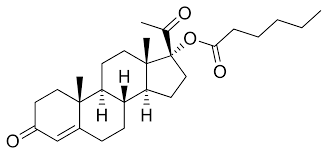
Hydroxyprogesterone caproate
Price 100 INR
Minimum Order Quantity : 1 Kilograms
Purity : 99%
Molecular Weight : 428.613
Molecular Formula : C27H40O4
Usage : pregnant women to help lower the risk of giving birth too early

Ethylbenzene solution
Price 100 INR
Minimum Order Quantity : 1 Kilograms
Purity : 99.7%
Molecular Weight : 106.168 Grams (g)
Molecular Formula : C8H10 or C6H5C2H5
Usage : primarily to make another chemical
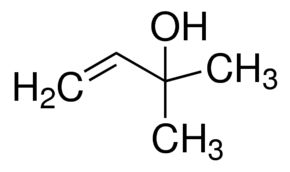
2- Methyl-3-buten-2-ol
Price 100 INR
Minimum Order Quantity : 1 Kilograms
Purity : 98%
Molecular Weight : 86.13 Grams (g)
Molecular Formula : C5H10O

Inorganics in marine sediment
Price 100 INR / Kilograms
Minimum Order Quantity : 1 Kilograms
Purity : 99%
Usage : Inorganics are used in a wide variety of applications. The main applications are: catalysis, crystal growth technology, photovoltaic materials, optical fibres and lasers.

 Send Inquiry
Our Products


Kesarkunj, Rm No. 9, Vasanji Lalji Road, Kandivali (W), Mumbai - 400067, Maharashtra, India

Mr Nilesh Shah
(Director)
Mobile :08071630254
 Send Inquiry
 Send SMS
Developed and Managed by Infocom Network Private Limited.
