
Call us now :08071630254
 Send Inquiry
 Send Inquiry
Human adenosine deaminase (ADA1), from human erythrocytes (Enzyme reference materials)
Human adenosine deaminase (ADA1), from human erythrocytes (Enzyme reference materials) Specification
- Density
- Gram per cubic centimeter(g/cm3)
- EINECS No
- 232-798-2
- Storage
- -20C or below; protect from light and moisture
- Usage
- For laboratory/research use, not for drug or household use
- Melting Point
- Not defined (denatures above 60C)
- Shape
- Amorphous
- Ingredients
- Human Adenosine Deaminase (ADA1) from human erythrocytes
- Grade
- Biochemical/Analytical
- Molecular Formula
- Not applicable (protein/enzyme, sequence-based)
- Product Type
- Enzyme Reference Material
- Solubility
- Soluble in water, phosphate buffer (pH 7.0-7.6)
- Physical Form
- Lyophilized powder or crystalline
- Structural Formula
- Protein structure, not available as molecular formula
- Application
- Biochemical assays, reference material, research, diagnostic enzymology
- Purity
- >98% (SDS-PAGE)
- Appearance
- White to off-white powder
- Smell
- Odorless
- Ph Level
- pH stable range: 6.0 - 8.0
- CAS No
- 9026-93-1
- Poisonous
- Non-poisonous
- Molecular Weight
- ~41 kDa (monomer)
- HS Code
- 35079090
- Shelf Life
- At least 2 years if stored correctly
- Properties
- Highly purified; Enzyme activity standardized
- Taste
- Tasteless
- Enzyme Source
- Human erythrocytes (red blood cells)
- Isoform
- ADA1
- Stabilizers
- Included for long-term activity preservation
- Unit Definition
- One unit converts 1.0 mole of adenosine to inosine per minute at pH 7.5 at 25C
- Safety Information
- Handle as potentially biohazardous material, use proper PPE
- Lot-to-lot Consistency
- Verified by activity assay and SDS-PAGE analysis
- Specific Activity
- >10 U/mg protein (at 25C, adenosine as substrate)
- Contaminants
- Free from bacterial endotoxins and other blood-borne pathogens
- Formulation
- Lyophilized, may contain phosphate buffer and inert protein carrier
Human adenosine deaminase (ADA1), from human erythrocytes (Enzyme reference materials) Trade Information
- Main Domestic Market
- All India
About Human adenosine deaminase (ADA1), from human erythrocytes (Enzyme reference materials)
Human adenosine deaminase (ADA1), from human erythrocytes (Enzyme reference materials)
Properties
| Related Categories | Additional Standards, Analytical Standards,Analytical/Chromatography, Application CRMs, Certified Reference Materials (CRMs), |
| format | matrix material |
| shipped in | wet ice |
| storage temp. | 20C |
Superior Purity and Consistency
Our ADA1 enzyme is highly purified, surpassing 98% purity as confirmed by SDS-PAGE. Each lot undergoes rigorous verification through activity quantification and SDS-PAGE analysis to ensure consistency and reliability in sensitive research and diagnostic workflows.
Flexible Use and Reliable Performance
This versatile reference material serves various applications such as biochemical assays, research studies, and diagnostic enzymology. Stabilizers included in the formulation maintain enzymatic activity over time, supporting dependable results during extended storage and use.
Secure Handling and Long Shelf Life
ADA1 is formulated in a lyophilized form, incorporating phosphate buffer and inert protein carrier, offering at least a two-year shelf life when stored at -20C or lower and protected from light and moisture. Adherence to proper biohazard precautions ensures safe handling in laboratory environments.
FAQs of Human adenosine deaminase (ADA1), from human erythrocytes (Enzyme reference materials):
Q: How should Human ADA1 enzyme from erythrocytes be stored to maintain activity?
A: For optimal stability and enzymatic activity retention, ADA1 should be stored at -20C or lower, in a dry environment protected from light and moisture. Under these conditions, the product maintains its integrity and functionality for at least two years.Q: What are the recommended applications for this Human ADA1 enzyme?
A: ADA1 is intended for laboratory and research use, particularly in biochemical assays, enzymatic studies, diagnostic research, and as a reference material. It is not suitable for pharmaceutical development or household applications.Q: When should ADA1 enzyme be reconstituted and how is this performed?
A: Reconstitution should take place immediately prior to use. The lyophilized enzyme is fully soluble in water or phosphate buffer (pH 7.07.6). Add the required volume of buffer, gently mix, and avoid repeated freeze-thaw cycles.Q: Where can ADA1 enzyme be safely utilized and handled?
A: ADA1 should be handled exclusively in a laboratory or research facility by trained professionals. As it is a human-derived, potentially biohazardous material, laboratory safety protocols and use of proper personal protective equipment (PPE) are essential.Q: What measures ensure the consistency and purity of ADA1 enzyme across batches?
A: Each production lot of ADA1 is subjected to rigorous quality control, including activity assays and SDS-PAGE analysis. This ensures over 98% purity and consistent enzymatic activity across batches, which is crucial for reproducible research results.Q: What are the benefits of using this highly purified ADA1 enzyme in research?
A: Using highly purified ADA1 from human erythrocytes minimizes interference from contaminants, provides accurate reference standards for assay validation, and ensures reproducible results in diagnostic and biochemical applications.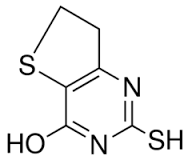
Tell us about your requirement

Price:
Quantity
Select Unit
- 50
- 100
- 200
- 250
- 500
- 1000+
Additional detail
Mobile number
Email

More Products in Analytical Grade Chemicals Category
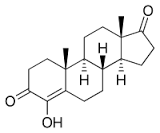
Formestane
Price 100 INR
Minimum Order Quantity : 1 Kilograms
Melting Point : C), 199 202
Molecular Formula : C19H26O3
Molecular Weight : 302.408 Grams (g)
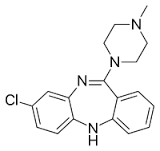
Clozapine
Price 100 INR
Minimum Order Quantity : 1 Kilograms
Melting Point : 183 C (361 F)
Molecular Formula : C18H19ClN4
Molecular Weight : 326.83 Grams (g)
Purity : 99%
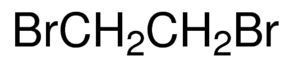
1,2-Dibromoethane solution
Price 100 INR
Minimum Order Quantity : 1 , , Kilograms
Melting Point : 9.4 to 10.2 C
Molecular Formula : C2H4Br2
Molecular Weight : 187.86 Grams (g)
Purity : 98%
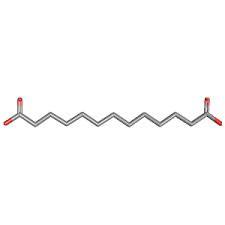
1,11-Undecanedicarboxylic acid
Price 100 INR / Kilograms
Minimum Order Quantity : 1 Kilograms
Melting Point : 112114 C
Molecular Formula : C13H24O4
Molecular Weight : 244.33 Grams (g)
Purity : 97%

 Send Inquiry
Our Products


Kesarkunj, Rm No. 9, Vasanji Lalji Road, Kandivali (W), Mumbai - 400067, Maharashtra, India

Mr Nilesh Shah
(Director)
Mobile :08071630254
 Send Inquiry
 Send SMS
 Call Me Free
Developed and Managed by Infocom Network Private Limited.
