
Call us now :08071630254
 Send Inquiry
 Send Inquiry
Human pancreatic Lipase (from pancreatic juice)
Human pancreatic Lipase (from pancreatic juice) Specification
- Properties
- White to off-white, hygroscopic, soluble in aqueous buffers
- Shelf Life
- 12 months at -20C
- Appearance
- White to off-white powder
- CAS No
- 9001-62-1
- Storage
- Store at -20C (preferably desiccated)
- Product Type
- Enzyme
- Poisonous
- Non-poisonous, but handle as biologically active material
- Melting Point
- Not applicable (denatures on heating)
- Structural Formula
- Protein (primary, secondary, tertiary conformation)
- HS Code
- 3507
- Refractive Rate
- Not determined
- Taste
- Not determined
- Ingredients
- Human pancreatic lipase extracted from pancreatic juice
- Purity
- >90% (by SDS-PAGE)
- Application
- Biochemical research, lipolysis studies, clinical diagnostics
- Density
- Gram per cubic centimeter(g/cm3)
- Usage
- For in-vitro research applications only
- Ph Level
- Optimum activity at pH 8.0
- Molecular Formula
- Not applicable (protein/enzyme mixture)
- Shape
- Amorphous powder
- Physical Form
- Powder
- Smell
- Not determined
- Grade
- Biochemical/Research grade
- Molecular Weight
- ~50.0 kDa
- Solubility
- Soluble in water/buffer
- EINECS No
- 232-619-9
- Formulation
- Lyophilized, carrier-free
- Transport Conditions
- Shipped on dry ice
- Unit Definition
- One unit liberates 1.0 mol of fatty acid per min at pH 8.0 and 37C
- Allergen Information
- Contains protein derived from human source
- Contaminants
- Tested and free from other proteases and nucleases
- Stability
- Stable for 12 months below -20C
- Heavy Metals
- <10 ppm
- Safety Precautions
- Use protective equipment. Avoid inhalation and contact with skin or eyes
- Endotoxin Level
- <1.0 EU/g
- Activity
- >100 units/mg protein
Human pancreatic Lipase (from pancreatic juice) Trade Information
- Main Domestic Market
- All India
About Human pancreatic Lipase (from pancreatic juice)
Human pancreatic Lipase (from pancreatic juice)
Properties
| Related Categories | Additional Standards, Analytical Standards,Analytical/Chromatography, Application CRMs, Certified Reference Materials (CRMs), |
| format | matrix material |
| shipped in | dry ice |
| storage temp. | 20C |
Precision in Lipid Metabolism Research
Human pancreatic lipase, sourced from pancreatic juice, is formulated for high-performance research and diagnostic applications. It is exquisitely purified, tested free from contaminating proteases and nucleases, and offers robust activity at pH 8.0. Its lyophilized, carrier-free state ensures easy reconstitution, reliable reproducibility, and a long shelf life when stored at the recommended temperature.
Guaranteed Purity and Safety Standards
This enzyme preparation surpasses rigorous standards for purity and safety, presenting heavy metal content below 10 ppm and a very low endotoxin level. Each batch is non-poisonous but should be handled as a biologically active human-derived protein, always employing protective equipment to avoid accidental exposure.
FAQs of Human pancreatic Lipase (from pancreatic juice):
Q: How should Human pancreatic lipase be stored to maintain optimal activity?
A: Human pancreatic lipase should be stored at -20C, preferably in a desiccated environment. Proper storage under these conditions ensures stability and enzymatic activity for up to 12 months from the date of receipt.Q: What is the recommended usage of this enzyme?
A: This enzyme is intended strictly for in-vitro research applications, including biochemical assays, lipolysis studies, and clinical diagnostics. It is not for therapeutic or human consumption purposes.Q: When should protective equipment be used with this product?
A: Protective gearincluding gloves, lab coats, and eye protectionshould always be worn when handling this enzyme. Care must be taken to avoid inhalation or contact with skin and eyes, as it is a biologically active protein.Q: Where does the protein source originate from?
A: The enzyme is purified from human pancreatic juice, meaning all protein components are of human origin. Researchers with sensitivity to human-derived products should take appropriate precautions.Q: What are the main benefits of this enzymes formulation?
A: The lyophilized, carrier-free format allows for accurate reconstitution, extended shelf life, and minimal interference in downstream applications. This enhances reproducibility and reliability in lipid metabolism research and diagnostics.Q: How is the purity and quality of the enzyme ensured?
A: The product is analyzed to confirm a purity of over 90% by SDS-PAGE, with strict control for contaminating proteases, nucleases, heavy metals (<10 ppm), and endotoxins (<1.0 EU/g) for dependable research outcomes.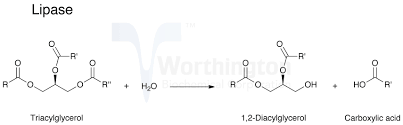
Tell us about your requirement

Price:
Quantity
Select Unit
- 50
- 100
- 200
- 250
- 500
- 1000+
Additional detail
Mobile number
Email

More Products in Analytical Grade Chemicals Category
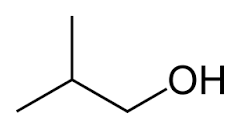
Complex Nutrients - WP
Purity : 95%
Melting Point : 135C
Molecular Formula : C10H16N2O3
Molecular Weight : 212.25 g/mol
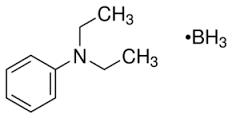
EPA 505/525 Pesticides Mix A
Price 100 INR
Minimum Order Quantity : 1 Kilograms
Purity : 98%
Melting Point : 190 to 191 C (374 to 376 F; 463 to 464 K)
Molecular Formula : CaSO4
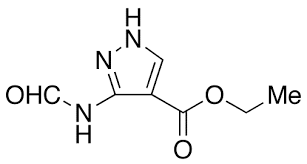
Allopurinol impurity B
Price 100 INR
Minimum Order Quantity : 1 Kilograms
Purity : 99%
Melting Point : >200C (dec.)
Molecular Weight : 154.13 Grams (g)
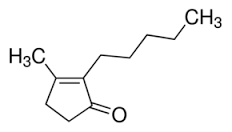
Dihydrojasmone (C11H18O)
Price 100 INR
Minimum Order Quantity : 1 , , Kilograms
Purity : 95%
Molecular Formula : C11H18O
Molecular Weight : 166.264 Grams (g)

 Send Inquiry
Our Products


Kesarkunj, Rm No. 9, Vasanji Lalji Road, Kandivali (W), Mumbai - 400067, Maharashtra, India

Mr Nilesh Shah
(Director)
Mobile :08071630254
 Send Inquiry
 Send SMS
Developed and Managed by Infocom Network Private Limited.
