
Call us now :08071630254
 Send Inquiry
 Send Inquiry
Hydrochlorothiazide
MOQ : 1 Kilograms
Hydrochlorothiazide Specification
- Melting Point
- (C), 266-268,
- Molecular Formula
- C7H8ClN3O4S2
- Poisonous
- NO
- Molecular Weight
- 297.7 Grams (g)
- Purity
- 98%
Hydrochlorothiazide Trade Information
- Minimum Order Quantity
- 1 Kilograms
- Payment Terms
- Cash in Advance (CID), Cash Advance (CA)
- Supply Ability
- 500 Kilograms KG Per Month
- Delivery Time
- 2-8 Week
- Sample Available
- Yes
- Sample Policy
- Sample costs shipping and taxes has to be paid by the buyer
- Packaging Details
- Carton and Poly Bag.
- Main Export Market(s)
- Western Europe, Australia, Eastern Europe, Middle East, Central America, South America, Asia, North America, Africa
- Main Domestic Market
- All India
About Hydrochlorothiazide
HydrochlorothiazideUnited States Pharmacopeia (USP) Reference StandardSynonym: 6-Chloro-3,4-dihydro-2H-1,2,4-benzothiadiazine-7-sulfonamide 1,1-dioxide, 6-Chloro-7-sulfamyl-3,4-dihydro-1,2,4-benzothiadiazine 1,1-dioxideCAS Number58-93-5Empirical Formula (Hill Notation)C7H8ClN3O4S2Molecular Weight297.74PropertiesRelated CategoriesAnalytical Standards,Analytical/Chromatography,Pharmacopeia & Metrological Institutes Standards,USP Standards,USP Standards G - HInChI Key JZUFKLXOESDKRF-UHFFFAOYSA-Nform neatformat neatDescriptionBiochem/physiol ActionsCarbonic anhydrase inhibitorPharmaceutical Secondary StandardPropertiesRelated CategoriesAdditional Standards,All Doping Standards (A-Z),Analytical Standards,Analytical/Chromatography,Chromatography,Diuretic,Pharmaceutical Secondary Standards,Pharmaceutical and Drug Standards,Pharmaceuticals, Illicit Drugs & Alcohol,Pharmacopeia & Metrological Institutes Standards,Secondary Pharmaceutical Standards,Steroids / Doping Agents Standardspharmaceutical secondary standardInChI Key JZUFKLXOESDKRF-UHFFFAOYSA-Nform neatformat neatEuropean Pharmacopoeia (EP) Reference StandardPropertiesRelated CategoriesAnalytical Standards,Analytical/Chromatography,EP Standards,EP Standards G - H,Pharmacopeia & Metrological Institutes StandardsInChI Key JZUFKLXOESDKRF-UHFFFAOYSA-Nform neatformat neatFAQs of Hydrochlorothiazide:
Q: What is the purity level of Hydrochlorothiazide?
A: The purity level of Hydrochlorothiazide is 98%.Q: Is Hydrochlorothiazide a poisonous substance?
A: No, Hydrochlorothiazide is not poisonous.Q: What is the molecular formula of Hydrochlorothiazide?
A: The molecular formula of Hydrochlorothiazide is C7H8ClN3O4S2.Q: What is the melting point of Hydrochlorothiazide?
A: The melting point of Hydrochlorothiazide is 266-268C.Q: What is the molecular weight of Hydrochlorothiazide?
A: The molecular weight of Hydrochlorothiazide is 297.7 grams (g).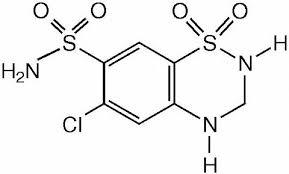
Tell us about your requirement

Price:
Quantity
Select Unit
- 50
- 100
- 200
- 250
- 500
- 1000+
Additional detail
Mobile number
Email

More Products in Analytical Grade Chemicals Category
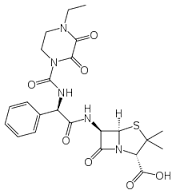
Piperacillin
Price 100 INR
Minimum Order Quantity : 1 Kilograms
Purity : 89%
Molecular Weight : 517.6 Grams (g)
Molecular Formula : C23H26N5NaO7S
Melting Point : 155C (311F)
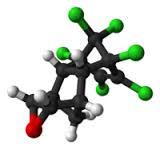
Dieldrin
Price 100 INR
Minimum Order Quantity : 1 Kilograms
Purity : 95%
Molecular Weight : 380.91 Grams (g)
Molecular Formula : C12H8Cl6O
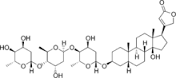
Digitoxin
Price 100 INR
Minimum Order Quantity : 1 Kilograms
Purity : 98%
Molecular Weight : 764.95
Molecular Formula : C41H64O13
Altizide impurity B
Price 100 INR
Minimum Order Quantity : 1 Kilograms
Molecular Weight : 383.89456 Grams (g)
Molecular Formula : C11H14ClN3O4S3
Melting Point : >199C

 Send Inquiry
Our Products


Kesarkunj, Rm No. 9, Vasanji Lalji Road, Kandivali (W), Mumbai - 400067, Maharashtra, India

Mr Nilesh Shah
(Director)
Mobile :08071630254
 Send Inquiry
 Send SMS
 Call Me Free
Developed and Managed by Infocom Network Private Limited.
