
Call us now :08071630254
 Send Inquiry
 Send Inquiry
Hydrocinnamic acid
MOQ : 1 Kilograms
Hydrocinnamic acid Specification
- Molecular Weight
- 150.1745 Grams (g)
- Melting Point
- 47 to 50 C (117 to 122 F; 320 to 323 K)
- Molecular Formula
- C9H10O2
- Appearance
- White crystalline solid; faint, sweet, somewhat balsmaic and coumarian-like odor
- Usage
- Phenylpropanoic acid is widely used for flavoring, food additives, spices, fragrance, and medicines as it acts as a fixative agent, or a preservative.
Hydrocinnamic acid Trade Information
- Minimum Order Quantity
- 1 Kilograms
- Payment Terms
- Cash in Advance (CID), Cash Advance (CA)
- Supply Ability
- 500 Kilograms, , KG Per Month
- Delivery Time
- 2-8 Week
- Sample Available
- Yes
- Sample Policy
- Sample costs shipping and taxes has to be paid by the buyer
- Packaging Details
- Carton and Poly Bag.
- Main Export Market(s)
- Western Europe, Australia, Eastern Europe, Middle East, Central America, Africa, South America, Asia, North America
- Main Domestic Market
- All India
About Hydrocinnamic acid
Hydrocinnamic acidanalytical standardSynonym: 3-Phenylpropionic acid, Benzylacetic acidCAS Number501-52-0Linear FormulaC6H5CH2CH2COOHMolecular Weight150.17PropertiesRelated CategoriesA-L,All Alphabetically Sorted,Analytical Standards,Analytical/Chromatography,Antioxidant Standards,Cosmetics & Perfumes,Flavor and Fragrance Standards,Flavors and Fragrance Standards,Food & Beverage Standards,Food Products & Beverages,Food and Cosmetic Component Standards,Fruits,G-L,Preservative & Antioxidants,Raspberry,Sweetener Standards,Sweeteners,non E-Numbersgrade analytical standardInChI Key XMIIGOLPHOKFCH-UHFFFAOYSA-Nassay 98.5% (HPLC)form neatshelf life limited shelf life, expiry date on the labelapplication(s) HPLC: suitablegas chromatography (GC): suitableimpurities 0.5% waterbp 280C(lit.)mp 45-48C(lit.)density 1.071g/mLat 25C(lit.)format neatFAQs of Hydrocinnamic acid:
Q: What is the molecular formula of Hydrocinnamic acid?
A: The molecular formula of Hydrocinnamic acid is C9H10O2.Q: What are the primary applications of Hydrocinnamic acid?
A: Hydrocinnamic acid is widely used for flavoring, food additives, spices, fragrance, and medicines as it acts as a fixative agent or a preservative.Q: What is the molecular weight of Hydrocinnamic acid?
A: The molecular weight of Hydrocinnamic acid is 150.1745 grams (g).Q: What does Hydrocinnamic acid look and smell like?
A: Hydrocinnamic acid appears as a white crystalline solid with a faint, sweet, somewhat balsamic and coumarian-like odor.Q: What is the melting point range of Hydrocinnamic acid?
A: The melting point range of Hydrocinnamic acid is 47 to 50 C (117 to 122 F; 320 to 323 K).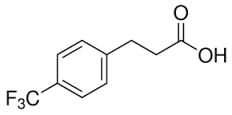
Tell us about your requirement

Price:
Quantity
Select Unit
- 50
- 100
- 200
- 250
- 500
- 1000+
Additional detail
Mobile number
Email

More Products in Analytical Grade Chemicals Category
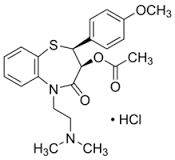
Diltiazem for system suitability
Price 100.00 INR / Kilograms
Minimum Order Quantity : 1 Kilograms
Purity : 99%
Molecular Formula : C22H27ClN2O4S
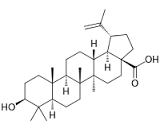
Betulinic acid
Price 100 INR
Minimum Order Quantity : 1 Kilograms
Purity : 97%
Molecular Formula : C30H48O3
Molecular Weight : 456.7 Grams (g)
Melting Point : 316 to 318 C (601 to 604 F; 589 to 591 K)
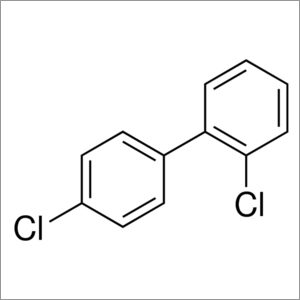
2,4-Dichlorobiphenyl
Price 100 INR
Minimum Order Quantity : 1 Kilograms
Purity : 98%
Molecular Formula : C12H8Cl2
Molecular Weight : 223.096 Grams (g)
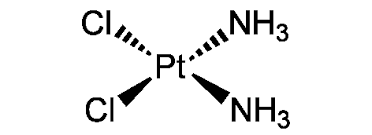
Cisplatin
Price 100 INR
Minimum Order Quantity : 1 , , Kilograms
Purity : 98%
Molecular Formula : Cl2H6N2Pt
Molecular Weight : 300 Grams (g)
Melting Point : 207C

 Send Inquiry
Our Products


Kesarkunj, Rm No. 9, Vasanji Lalji Road, Kandivali (W), Mumbai - 400067, Maharashtra, India

Mr Nilesh Shah
(Director)
Mobile :08071630254
 Send Inquiry
 Send SMS
Developed and Managed by Infocom Network Private Limited.
