
Call us now :08071630254
 Send Inquiry
 Send Inquiry
I'-Tocopherol
MOQ : 1 Kilograms
I'-Tocopherol Specification
- Usage
- It's also known as tocopheryl acetate, tocopherol acetate, or vitamin E acetate. Vitamin E is known for its antioxidant properties. Antioxidants help to protect your body from damaging compounds called free radicals. Normally, free radicals form when your body converts food into energy.
- Density
- 950 Kilogram per cubic meter (kg/m3)
- Molecular Formula
- C29H50O2
- Molecular Weight
- 430.71 Grams (g)
- Melting Point
- 2.5 to 3.5 C (36.5 to 38.3 F; 275.6 to 276.6 K)
I'-Tocopherol Trade Information
- Minimum Order Quantity
- 1 Kilograms
- Payment Terms
- Cash in Advance (CID), Cash Advance (CA)
- Supply Ability
- 500 Kilograms, , Per Month
- Delivery Time
- 3-4 Week
- Sample Available
- Yes
- Sample Policy
- Sample costs shipping and taxes has to be paid by the buyer
- Main Export Market(s)
- Australia, Middle East, Central America, Eastern Europe, South America, Western Europe, Asia, North America, Africa
- Main Domestic Market
- All India
About I'-Tocopherol
-TocopherolSynonym: (+)--TocopherolEmpirical Formula (Hill Notation): C27H46O2Molecular Weight: 402.65CAS Number: 119-13-1grade analytical standard form neat feature standard type fat soluble vitamin packaging ampule of 100mg application(s) HPLC: suitable gas chromatography (GC): suitable format neat storage temp. 20CFAQs of I-Tocopherol:
Q: What is the molecular formula and molecular weight of I-Tocopherol?
A: The molecular formula of I-Tocopherol is C29H50O2, and its molecular weight is 430.71 grams (g).Q: What are the antioxidant properties of I-Tocopherol?
A: I-Tocopherol, also known as Vitamin E acetate, is known for its antioxidant properties. Antioxidants help protect the body from damaging compounds called free radicals, which are formed when the body converts food into energy.Q: What is the density of I-Tocopherol?
A: The density of I-Tocopherol is 950 kilograms per cubic meter (kg/m3).Q: What is the melting point range of I-Tocopherol?
A: The melting point of I-Tocopherol ranges between 2.5 to 3.5 C (36.5 to 38.3 F; 275.6 to 276.6 K).Q: What are the alternative names of I-Tocopherol?
A: I-Tocopherol is also known as tocopheryl acetate, tocopherol acetate, or Vitamin E acetate.
Tell us about your requirement

Price:
Quantity
Select Unit
- 50
- 100
- 200
- 250
- 500
- 1000+
Additional detail
Mobile number
Email

More Products in Analytical Grade Chemicals Category
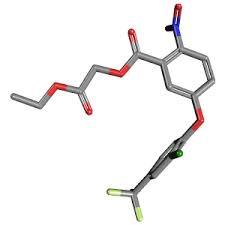
Fluoroglycofen-ethyl
Price 100 INR
Minimum Order Quantity : 1 Kilograms
Molecular Weight : 447.7 Grams (g)
Purity : 97.8%
Appearance : white, or pale yellow crystalline solids
Molecular Formula : C18H13ClF3NO7
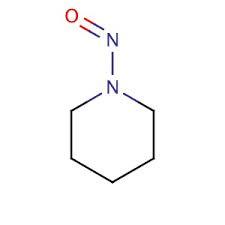
1-Nitrosopiperidine Solution
Price 100 INR
Minimum Order Quantity : 1 Kilograms
Molecular Weight : 114.148 Grams (g)
Purity : 99%
Molecular Formula : C5H10N2O
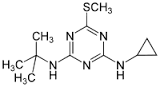
Analytical Grade Irgarol
Price 100 INR
Minimum Order Quantity : 1 Kilograms
Molecular Weight : 253.37 Grams (g)
Purity : 99%
Appearance : Yellowish white granules
Molecular Formula : C11H19N5S
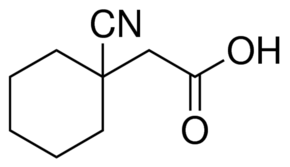
Gabapentin impurity B
Price 100 INR
Minimum Order Quantity : 1 Kilograms
Molecular Weight : 167.21
Purity : 99%
Appearance : White to OffWhite Solid

 Send Inquiry
Our Products


Kesarkunj, Rm No. 9, Vasanji Lalji Road, Kandivali (W), Mumbai - 400067, Maharashtra, India

Mr Nilesh Shah
(Director)
Mobile :08071630254
 Send Inquiry
 Send SMS
 Call Me Free
Developed and Managed by Infocom Network Private Limited.
