
Call us now :08071630254
 Send Inquiry
 Send Inquiry
Indium DSC calibration standard
Indium DSC calibration standard Specification
- Storage
- Store in a cool dry place with proper labeling
- Appearance
- Silvery-white metallic solid
- Melting Point
- 156.6C
- Solubility
- Insoluble in water but soluble in acids
- Molecular Weight
- 114.82 g/mol
- EINECS No
- 231-180-0
- Density
- 7.31 Gram per cubic centimeter(g/cm3)
- Poisonous
- NO
- CAS No
- 7440-74-6
- Physical Form
- Solid (metal form)
- Purity
- 99.99%
- Molecular Formula
- In
- Smell
- Odorless
- Application
- Used as a standard for Differential Scanning Calorimetry (DSC) calibration
- Ingredients
- Pure Indium metal
- Properties
- Lustrous soft malleable metal with a low melting point
- Structural Formula
- Indium element structure
- Grade
- Analytical/Calibration Grade
- Shelf Life
- Stable under recommended storage conditions
- Usage
- For analytical and calibration purposes in labs
- HS Code
- 8112.92.00
- Shape
- Flat discs or custom forms for calibration
About Indium DSC calibration standard
Indium DSC calibration standardtemperature and enthalpy of fusionPropertiesRelated CategoriesAnalytical Standards,Analytical/Chromatography,NIST Standards,Pharmacopeia & Metrological Institutes Standardspackaging pkg of 1gFAQs of Indium DSC calibration standard:
Q: What is the melting point of the Indium DSC Calibration Standard?
A: The melting point of the Indium DSC Calibration Standard is 156.6C.Q: What is the purity level of this calibration standard?
A: The purity level of the Indium DSC Calibration Standard is 99.99%.Q: What are the recommended storage conditions for this product?
A: The Indium DSC Calibration Standard should be stored in a cool, dry place with proper labeling.Q: What physical form is the Indium DSC Calibration Standard available in?
A: The Indium DSC Calibration Standard is available in solid metal form as flat discs or custom forms for calibration.Q: Is the Indium DSC Calibration Standard poisonous?
A: No, the Indium DSC Calibration Standard is not poisonous.Q: What is the main application of the Indium DSC Calibration Standard?
A: The main application of the Indium DSC Calibration Standard is as a standard for Differential Scanning Calorimetry (DSC) calibration.Q: What is the molecular formula and EINECS No of this product?
A: The molecular formula is In (Indium), and the EINECS No is 231-180-0.
Tell us about your requirement

Price:
Quantity
Select Unit
- 50
- 100
- 200
- 250
- 500
- 1000+
Additional detail
Mobile number
Email

More Products in Analytical Grade Chemicals Category
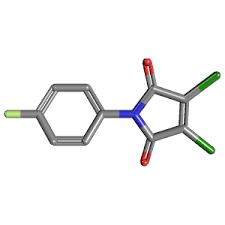
Fluoroimide
Price 100 INR
Minimum Order Quantity : 1 Kilograms
Molecular Weight : 260.04 Grams (g)
Molecular Formula : C10H4Cl2FNO2
Purity : 98%

Benzyl mercaptan
Price 100 INR
Minimum Order Quantity : 1 Kilograms
Molecular Weight : 124.2 Grams (g)
Molecular Formula : C7H8S
Purity : 96.0%
Appearance : colourless liquid
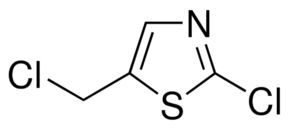
2-Chloro-5-chloromethylthiazole
Price 100 INR
Minimum Order Quantity : 1 Kilograms
Molecular Weight : 168.04 Grams (g)
Molecular Formula : C4H3Cl2NS
Purity : 95%
Appearance : Yellow SemiSolid to OffWhite to Yellow Sticky Solid
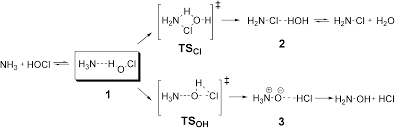
Chlorine (Combined & Total) - WS
Price 100 INR
Minimum Order Quantity : 1 Kilograms
Molecular Weight : 35.453 u
Molecular Formula : Cl
Purity : 98%
Appearance : greenishyellow, diatomic, dense gas

 Send Inquiry
Our Products


Kesarkunj, Rm No. 9, Vasanji Lalji Road, Kandivali (W), Mumbai - 400067, Maharashtra, India

Mr Nilesh Shah
(Director)
Mobile :08071630254
 Send Inquiry
 Send SMS
 Call Me Free
Developed and Managed by Infocom Network Private Limited.
