
Call us now :08071630254
 Send Inquiry
 Send Inquiry
Industrial sandy soil (PCDDs, PCDFs)
Industrial sandy soil (PCDDs, PCDFs) Specification
- Properties
- Can contain PCDDs and PCDFs; composition varies
- Physical Form
- Granular solid
- Ph Level
- 6.0 - 7.5
- Appearance
- Grayish-brown to sandy in color
- Purity
- Dependent on source material
- Ingredients
- Primarily sand silt and clay may include organic and inorganic contaminants like PCDDs and PCDFs
- Shelf Life
- Indefinite if stored properly
- Shape
- Irregular granular particles
- Poisonous
- YES
- Application
- Used in construction landscaping and industrial processes
- Solubility
- Insoluble in water
- Storage
- Store in a dry well-ventilated area
- Density
- Gram per cubic centimeter(g/cm3)
- Grade
- Industrial
- Smell
- Earthy
- Usage
- Primarily for filling grading or supporting vegetation growth
- HS Code
- 2530.90.00
About Industrial sandy soil (PCDDs, PCDFs)
Industrial sandy soil (PCDDs, PCDFs)PropertiesRelated CategoriesAdditional Standards,Analytical Standards,Analytical/Chromatography,Aroclors, PCBs, and Dioxins,Chromatography,Dioxins,Environmental Standards,Organic Pollutant Standards,PCBs & Dioxins Standards,Pharmacopeia & Metrological Institutes Standards,Reference Materials from the European Commissions Joint Research Centre (formerly IRMM)format matrix materialstorage temp. 2-8CFAQs of Industrial sandy soil (PCDDs, PCDFs):
Q: What are the physical characteristics of Industrial Sandy Soil (PCDDs, PCDFs)?
A: Industrial Sandy Soil features irregular granular particles, is grayish-brown to sandy in color, has an earthy smell, and is a granular solid.Q: Is Industrial Sandy Soil poisonous?
A: Yes, Industrial Sandy Soil is poisonous and may contain contaminants like PCDDs and PCDFs.Q: How should Industrial Sandy Soil be stored?
A: It should be stored in a dry, well-ventilated area to maintain its quality and indefinite shelf life.Q: What are the common applications of Industrial Sandy Soil?
A: It is primarily used in construction, landscaping, and industrial processes such as filling, grading, or supporting vegetation growth.Q: Is Industrial Sandy Soil soluble in water?
A: No, Industrial Sandy Soil is insoluble in water.Q: What is the pH range of Industrial Sandy Soil?
A: The pH level of Industrial Sandy Soil ranges from 6.0 to 7.5.Q: Does the composition of Industrial Sandy Soil vary?
A: Yes, the composition of Industrial Sandy Soil varies and may include organic and inorganic contaminants like PCDDs and PCDFs, in addition to sand, silt, and clay.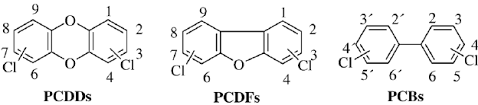
Tell us about your requirement

Price:
Quantity
Select Unit
- 50
- 100
- 200
- 250
- 500
- 1000+
Additional detail
Mobile number
Email

More Products in Analytical Grade Chemicals Category

Dichloroacetonitrile (C2HCl2N)
Price 100 INR
Minimum Order Quantity : 1 Kilograms
Molecular Formula : C2HCl2N
Usage : Chloroacetonitrile can be used as a fumigant. Fumigants refer to a kind of pesticides whose volatile vapor can be applied to poison and kill pests. Its gaseous molecules can enter into the body of the harmful organisms and exert toxic effects.
Molecular Weight : 109.94 Grams (g)
Purity : 99%

Eriodictyol
Price 100 INR
Minimum Order Quantity : 1 Kilograms
Molecular Formula : C15H12O6
Usage : Eriodictyol is a flavonoid present in citrus fruits that demonstrates antiinflammatory, anticancer, neurotrophic, and antioxidant effects in a range of pathophysiological conditions including vascular diseases.
Molecular Weight : 288.25 Grams (g)
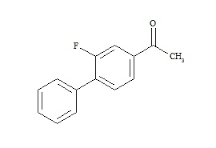
Flurbiprofen impurity A
Price 100 INR
Minimum Order Quantity : 1 , , Kilograms
Molecular Formula : C19H19FO4
Usage : Flurbiprofen sodium is one of a series of phenylalkanoic acids that have shown analgesic antipyretic, and antiinflammatory activity in animal inflammatory diseases. Its mechanism of action is believed to be through inhibition of the cyclooxygenase enzyme that is essential in the biosynthesis of prostaglandins.
Molecular Weight : 330.3 Grams (g)
Purity : 98%
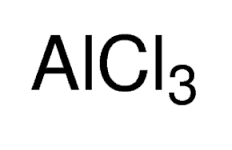
Aluminium Standard for AAS
Price 100 INR
Minimum Order Quantity : 1 Kilograms
Molecular Formula : Al2O3
Usage : Aluminium is a silverywhite, lightweight metal. It is soft and malleable. Aluminium is used in a huge variety of products including cans, foils, kitchen utensils, window frames, beer kegs and aeroplane parts. This is because of its particular properties.
Molecular Weight : 26.9815 Grams (g)
Purity : 99%

 Send Inquiry
Our Products


Kesarkunj, Rm No. 9, Vasanji Lalji Road, Kandivali (W), Mumbai - 400067, Maharashtra, India

Mr Nilesh Shah
(Director)
Mobile :08071630254
 Send Inquiry
 Send SMS
 Call Me Free
Developed and Managed by Infocom Network Private Limited.
