
Call us now :08071630254
 Send Inquiry
 Send Inquiry
Industrial soil (PCBs)
Industrial soil (PCBs) Specification
- Usage
- Primarily for industrial purposes and analyzing polychlorinated biphenyl (PCB) contamination.
- Appearance
- Dark brown or gray powder
- Smell
- Earthy
- Solubility
- Insoluble
- Shape
- Irregular granules
- Ph Level
- Varies (typically 5.5 to 7.0)
- Poisonous
- YES
- Shelf Life
- Indeterminate if stored properly
- Properties
- Contains organic and inorganic materials; may include contaminants such as PCBs.
- Purity
- Varies with source
- Ingredients
- Organic matter minerals potentially industrial contaminants including PCBs.
- Storage
- Store in a dry cool place away from direct sunlight.
- Application
- Used in environmental testing industrial soil sampling and contaminant analysis especially for PCBs presence.
- HS Code
- 38220010
- Grade
- Industrial-grade
- Density
- Gram per cubic centimeter(g/cm3)
- Taste
- Neutral
- Physical Form
- Granular or powder-like
About Industrial soil (PCBs)
Industrial soil (PCBs)PropertiesRelated CategoriesAnalytical Standards,Analytical/Chromatography,Pharmacopeia & Metrological Institutes Standards,Reference Materials from the European Commissions Joint Research Centre (formerly IRMM)form neatformat neatFAQs of Industrial soil (PCBs):
Q: What are the common applications of Industrial Soil (PCBs)?
A: Industrial Soil (PCBs) is used primarily for environmental testing, industrial soil sampling, and contaminant analysis, especially for identifying the presence of polychlorinated biphenyls (PCBs).Q: Is Industrial Soil (PCBs) poisonous?
A: Yes, it is classified as poisonous and should be handled with caution.Q: What is the storage requirement for Industrial Soil (PCBs)?
A: It should be stored in a dry, cool place away from direct sunlight to maintain its properties.Q: What is the physical form and appearance of Industrial Soil (PCBs)?
A: The product comes in a granular or powder-like physical form and has a dark brown or gray appearance.Q: Does Industrial Soil (PCBs) have a specific shelf life?
A: Its shelf life is indeterminate if stored properly under recommended conditions.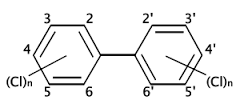
Tell us about your requirement

Price:
Quantity
Select Unit
- 50
- 100
- 200
- 250
- 500
- 1000+
Additional detail
Mobile number
Email

More Products in Analytical Grade Chemicals Category
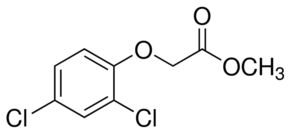
2,4-D methyl ester
Price 100 INR
Minimum Order Quantity : 1 Kilograms
Molecular Weight : 235.06 Grams (g)
Molecular Formula : C9H8Cl2O3
Appearance : Colourless to yellow or brown liquid
Purity : 98%
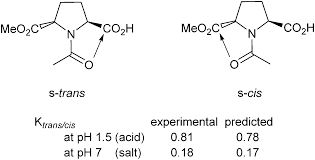
Acidity - WS
Price 100 INR
Minimum Order Quantity : 1 Kilograms
Molecular Weight : 72.06 Grams (g)
Molecular Formula : C3H4O2
Appearance : White or colorless solid
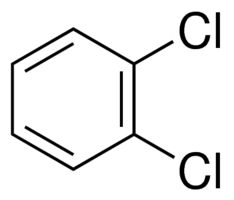
1,2-Dichlorobenzene solution
Price 100 INR
Minimum Order Quantity : 1 , , Kilograms
Molecular Weight : 147 Grams (g)
Molecular Formula : 53.1 °C
Purity : 96%
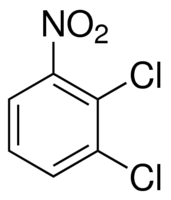
1,2-Dichloro-3-nitrobenzene
Price 100 INR
Minimum Order Quantity : 1 Kilograms
Molecular Weight : 191.9995 Grams (g)
Molecular Formula : C6H3Cl2NO2
Appearance : colourless to yellow needles
Purity : 99%

 Send Inquiry
Our Products


Kesarkunj, Rm No. 9, Vasanji Lalji Road, Kandivali (W), Mumbai - 400067, Maharashtra, India

Mr Nilesh Shah
(Director)
Mobile :08071630254
 Send Inquiry
 Send SMS
 Call Me Free
Developed and Managed by Infocom Network Private Limited.
