
Call us now :07971189995
 Send Inquiry

 Send Inquiry
IR transmission wavelength (polystyrene film)
IR transmission wavelength (polystyrene film) Specification
- Appearance
- Transparent
- CAS No
- 9003-53-6
- Shelf Life
- Indefinite when stored appropriately
- Physical Form
- Thin film
- Refractive Rate
- 1.59
- Density
- 1.05 Gram per cubic centimeter(g/cm3)
- HS Code
- 392069
- Properties
- High optical clarity chemically stable and insoluble in water
- EINECS No
- 618-350-3
- Solubility
- Insoluble in water; soluble in organic solvents such as benzene
- Usage
- Primarily for laboratory applications in spectroscopic methods
- Storage
- Store in a cool dry place away from direct sunlight and chemicals
- Molecular Weight
- 104.15 g/mol
- Purity
- Not applicable (polymer material)
- Application
- Used in IR spectroscopy for calibration and as a reference material for transmission properties
- Grade
- Analytical grade
- Ingredients
- Polystyrene polymer
- Smell
- Odorless
- Ph Level
- Neutral
- Poisonous
- NO
- Structural Formula
- [-CH(C6H5)-CH2-]n
- Melting Point
- 240°C (softening temperature)
- Molecular Formula
- C8H8
- Taste
- None
- Shape
- Film form
About IR transmission wavelength (polystyrene film)
IR transmission wavelength (polystyrene film)PropertiesRelated CategoriesAnalytical Standards,Analytical/Chromatography,NIST Standards,Pharmacopeia & Metrological Institutes Standardspackaging pkg of 1 cardFAQs of IR transmission wavelength (polystyrene film):
Q: What are the primary applications of the IR transmission polystyrene film?
A: The IR transmission polystyrene film is primarily used in IR spectroscopy for calibration and as a reference material for transmission properties.Q: Is the IR transmission polystyrene film toxic or poisonous?
A: No, the IR transmission polystyrene film is not poisonous.Q: How should the IR transmission polystyrene film be stored?
A: The film should be stored in a cool, dry place away from direct sunlight and chemicals.Q: Is the IR transmission polystyrene film soluble in water?
A: No, the film is insoluble in water but soluble in organic solvents, such as benzene.Q: What is the refractive rate and melting point of the IR transmission polystyrene film?
A: The refractive rate is 1.59, and the softening temperature (melting point) is 240C.Q: What is the physical appearance of the IR transmission polystyrene film?
A: The film is transparent, thin, odorless, and in film form.Q: What is the shelf life of the IR transmission polystyrene film?
A: It has an indefinite shelf life when stored appropriately.
Tell us about your requirement

Price:
Quantity
Select Unit
- 50
- 100
- 200
- 250
- 500
- 1000+
Additional detail
Mobile number
Email

More Products in Analytical Grade Chemicals Category
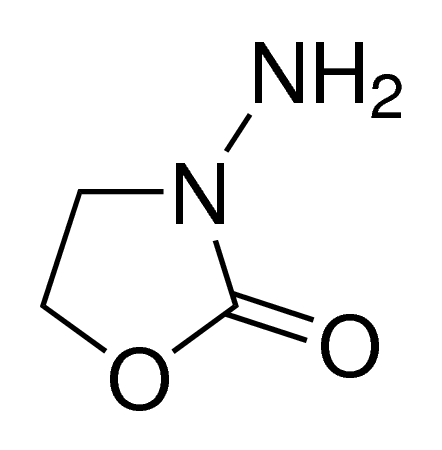
AOZ
Price 100 INR
Minimum Order Quantity : 1 , , Kilograms
Molecular Formula : C3H5N3O
Molecular Weight : 99.09 g/mol
Melting Point : 163165 C
Solubility : Soluble in organic solvents, slightly soluble in water

Hydroxyzine hydrochloride
Price 100 INR
Minimum Order Quantity : 1 Kilograms
Molecular Formula : C21H28Cl2N2O2
Molecular Weight : 411.367 g/mol
Solubility : 0.0914 mg/mL

Formoterol for impurity I identification
Price 100 INR
Minimum Order Quantity : 1 Kilograms
Molecular Formula : C23H30N2O9
Molecular Weight : 478.5 Grams (g)
Melting Point : >117ºC (dec.)
Solubility : Methanol (Slightly)

Methyl acrylate
Price 100 INR
Minimum Order Quantity : 1 Kilograms
Molecular Formula : C4H6O2
Molecular Weight : 86.09 Grams (g)
Melting Point : 74 °C (−101 °F; 199 K)

 Send Inquiry
Our Products


Kesarkunj, Rm No. 9, Vasanji Lalji Road, Kandivali (W), Mumbai - 400067, Maharashtra, India

Mr Nilesh Shah
(Director)
Mobile :07971189995
 Send Inquiry
 Send SMS
 Call Me Free

Developed and Managed by Infocom Network Private Limited.
