
Call us now :08071630254
 Send Inquiry
 Send Inquiry
Iron ore, Nimba
MOQ : 1 , , Kilograms
Iron ore, Nimba Specification
- Physical Form
- Solid
- Smell
- Odorless
- Poisonous
- NO
- Shelf Life
- Indefinite if properly stored
- Application
- Steel production, iron pellets, cement industry
- Usage
- Used as raw material for blast furnaces, manufacturing iron and steel
- HS Code
- 26011100
- Density
- 5.26 Gram per cubic centimeter(g/cm3)
- Properties
- High iron content, natural mineral, fine granular structure, reddish-brown color
- Grade
- Industrial Grade
- Taste
- Tasteless
- Shape
- Granules/Lump
- Molecular Formula
- Fe2O3
- Purity
- Fe content approx. 62% to 65%
- Melting Point
- 1565°C
- EINECS No
- 215-277-5
- Solubility
- Insoluble in water
- Ingredients
- Iron (Fe), small amounts of silica, alumina, and other trace minerals
- Molecular Weight
- 159.69 g/mol
- Structural Formula
- O=Fe=O
- Ph Level
- Neutral
- Appearance
- Reddish-brown granular or lump
- CAS No
- 1317-60-8
- Product Type
- Mineral Ores
- Storage
- Store in a dry, non-humid environment
- Fines Content
- Less than 10% fines (-10mm)
- Export Packaging
- Bulk
- Phosphorus Content
- Below 0.08%
- Hardness
- Medium to High (Mohs 5.5-6.5)
- Lump Size Range
- 6mm to 40mm
- Origin Deposit
- Nimba Range
- Sulphur Content
- Below 0.02%
- Transport Method
- Rail and sea freight available
- Moisture Content
- Below 8.5%
Iron ore, Nimba Trade Information
- Minimum Order Quantity
- 1 , , Kilograms
- Payment Terms
- Cash Advance (CA), Cash in Advance (CID)
- Supply Ability
- 500 Kilograms Per Month
- Delivery Time
- 3-4 Week
- Sample Available
- Yes
- Sample Policy
- Sample costs shipping and taxes has to be paid by the buyer
- Main Export Market(s)
- Central America, Eastern Europe, Africa, Middle East, South America, Western Europe, Australia, Asia, North America
- Main Domestic Market
- All India
About Iron ore, Nimba
Iron ore, Nimba
Properties
| Related Categories | Analytical Standards, Analytical/Chromatography, NIST Standards, Pharmacopeia & Metrological Institutes Standards |
| packaging | pkg of 100 g |
Premium Industrial Grade Iron Ore
Nimba iron ore offers superior purity and consistent quality, ensuring effective performance in demanding industrial processes. Its low levels of fines, moisture, phosphorus, and sulphur contribute to minimal impurities in end products. Sourced from the Nimba Range, this ore meets stringent criteria for metal manufacturing and construction materials.
Efficient Export and Transportation Solutions
With bulk packaging supported by rail and sea freight options, Nimba iron ore can be delivered efficiently to domestic and international customers. The robust supply chain allows for easy access and reliable handling, making it a preferred choice for suppliers, traders, and manufacturers.
Safe, Stable, and User-Friendly Mineral
Nimba iron ore is a natural, tasteless, and odorless solid with no poisonous properties. Its stable structure (Fe2O3), neutral pH, and indefinite shelf life under dry, non-humid conditions make it practical and safe for long-term industrial storage and use.
FAQs of Iron ore, Nimba:
Q: How is Nimba iron ore used in steel production and related industries?
A: Nimba iron ore is primarily used as a raw material for blast furnaces in the manufacture of iron and steel. It contributes high iron content and minimal impurities to produce high-quality steel and iron pellets, and also serves as an additive in cement production.Q: What are the transportation and packaging options available for Nimba iron ore exports?
A: Nimba iron ore is exported in bulk packaging, ensuring safe handling and easy transfer. Transportation is available through both rail and sea freight, allowing flexible delivery to various locations in India and internationally.Q: When is the optimal time to store or use Nimba iron ore to preserve its quality?
A: Nimba iron ore can be stored at any time, as long as it is kept in a dry, non-humid environment. If properly stored, it offers an indefinite shelf life, retaining its industrial-grade properties without degradation.Q: Where is Nimba iron ore sourced from, and what makes this origin significant?
A: Nimba iron ore originates from the Nimba Range, a deposit known for its natural abundance and purity. This ensures consistent quality and high iron content for industrial applications, making it a reliable source for manufacturers and traders.Q: What are the processes involved in utilizing Nimba iron ore in industry?
A: The ore is crushed and screened to desired sizes before being charged into blast furnaces for iron extraction. It can also be processed into pellets for direct use in steel mills or blended for cement manufacturing.Q: What benefits does Nimba iron ore offer compared to other sources?
A: Nimba iron ore features high Fe purity (6265%), low moisture, fines, and contaminants, which enhances final product quality and reduces processing costs. Its medium to high hardness improves handling during transport and use.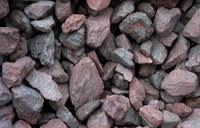
Tell us about your requirement

Price:
Quantity
Select Unit
- 50
- 100
- 200
- 250
- 500
- 1000+
Additional detail
Mobile number
Email

More Products in Analytical Grade Chemicals Category
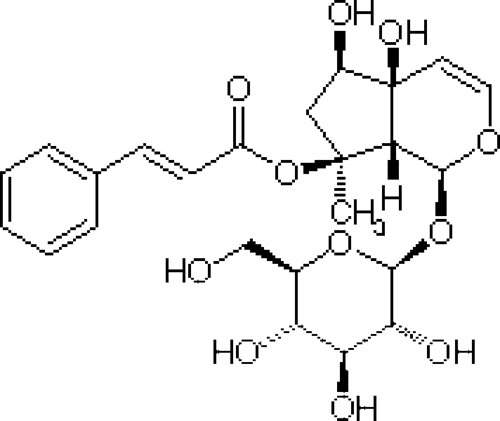
Harpagophytum procumbens extract
Price 100
Minimum Order Quantity : 1 Kilograms
Molecular Formula : C24H30O11 (harpagoside as reference compound)
Molecular Weight : 494.49 g/mol (harpagoside)
Purity : >10:1 (extract ratio), 98% (purity of selected actives)
Appearance : Brownish yellow to brown powder
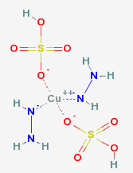
Copper chemical
Price 100 INR
Minimum Order Quantity : 1 Kilograms
Molecular Formula : CuSO4
Molecular Weight : 63.546 u Grams (g)
Purity : 99%
Appearance : Reddishorange solid metal
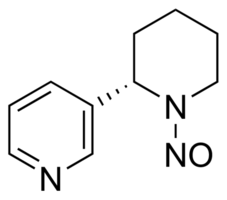
(S)-N-Nitrosoanabasine (NAB) solution
Price 100 INR
Minimum Order Quantity : 1 Kilograms
Molecular Formula : C10H13N3O
Molecular Weight : 191.23 Grams (g)
Purity : 96%
Appearance : Clear Colourless
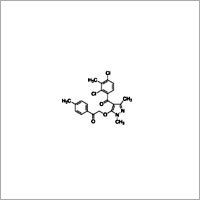
Benzofenap solution
Price 100 INR
Minimum Order Quantity : 1 Kilograms
Molecular Formula : C22H20Cl2N2O3
Molecular Weight : 431.313 Grams (g)
Purity : 98%
Appearance : Yellow clear

 Send Inquiry
Our Products


Kesarkunj, Rm No. 9, Vasanji Lalji Road, Kandivali (W), Mumbai - 400067, Maharashtra, India

Mr Nilesh Shah
(Director)
Mobile :08071630254
 Send Inquiry
 Send SMS
Developed and Managed by Infocom Network Private Limited.
