
Call us now :08071630254
 Send Inquiry
 Send Inquiry
n-Butyl Lithium(2.5 M in Hexane)
Price 100 INR/ Piece
MOQ : 1 Piece
n-Butyl Lithium(2.5 M in Hexane) Specification
- Usage
- As a strong base and nucleophile in organic synthesis
- Molecular Formula
- C4H9Li
- Shelf Life
- 12 months
- Size
- Custom packaging sizes available (standard: 100 mL, 250 mL, 500 mL)
- Storage Instructions
- Store under inert atmosphere, in cool, dry place, tightly sealed
- CAS No
- 109-72-8
- Melting Point
- -70 C
- Flash Point
- -22 C
- Packaging Type
- Glass bottle, ampoule
- Purity
- 2.5 M Solution in Hexane
- Molecular Weight
- 64.06 g/mol
- Density
- 0.68 Gram per cubic centimeter(g/cm3)
- Physical State
- Liquid
- Ph Level
- Strongly basic (pH unavailable for nonaqueous solution)
- Boiling point
- Hexane solvent: 68.7 C
- Grade
- Reagent Grade
- Type
- Solution
- Application
- Organic synthesis, polymerization initiator, chemical reagent
- Appearance
- Colorless to pale yellow liquid
- Purity(%)
- 97%
- Autoignition Temperature
- 190 °C
- UN Number
- UN 3394
- Synonyms
- n-Butyllithium, Butyllithium
- Solvent
- Hexane, anhydrous
- Regulatory Information
- Complies with REACH and TSCA
- Handling Precautions
- Use only in inert atmosphere, avoid contact with skin and eyes
- Reactivity
- Highly reactive with water, acids, and oxidizing agents
- DOT Hazard Class
- 4.2 (Pyrophoric material)
- Stability
- Sensitive to air and moisture
- Transport Packaging
- Packed under nitrogen in sealed containers
- Odor
- Petroleum-like odor
- Toxicity
- Toxic if inhaled, swallowed, or in contact with skin
- Hazard Class
- Flammable liquid, pyrophoric
- Concentration
- 2.5 M in hexane
n-Butyl Lithium(2.5 M in Hexane) Trade Information
- Minimum Order Quantity
- 1 Piece
- Payment Terms
- Cash in Advance (CID), Cash Advance (CA)
- Supply Ability
- 3 Pieces Per Week
- Delivery Time
- 3-4 Week
- Main Export Market(s)
- Australia, North America, South America, Middle East, Africa, Central America, Western Europe, Asia, Eastern Europe
- Main Domestic Market
- All India
- Certifications
- ISO 9001: 2015 CERTIFICATE
About n-Butyl Lithium(2.5 M in Hexane)
n-Butyllithium solution
2.5 M in hexanes
Synonym: n-BuLi, Butyl lithium, Butyllithium solution, Lithium-1-butanide-
CAS Number109-72-8
-
Linear Formula CH3(CH2)3Li
-
Molecular Weight 64.06
| Quality Level | 200 |
| form | liquid |
| concentration | 2.5 M in hexanes |
| density | 0.693 g/mL at 25 C |
| storage temp. | 2-8C |
Powerful Reagent for Synthetic Applications
n-Butyl Lithium (2.5 M in Hexane) stands out for its strong basicity and nucleophilicity, making it essential for various organic synthesis and polymerization reactions. Its reliable activity ensures efficient reaction initiation and substrate deprotonation, which is particularly useful in the pharmaceutical, academic, and industrial laboratories focused on advanced organic chemistry.
Safe Handling and Storage Guidelines
Due to its high reactivity and pyrophoric nature, n-Butyl Lithium must always be handled under an inert atmosphere, such as nitrogen or argon. The solution is supplied anhydrous, packed in sealed glass containers or ampoules to prevent exposure to air and moisture. Store in a cool, dry place, tightly sealed, and follow all safety protocols when transferring or using the reagent.
FAQ's of n-Butyl Lithium(2.5 M in Hexane):
Q: How should n-Butyl Lithium (2.5 M in Hexane) be handled for laboratory use?
A: Always handle n-Butyl Lithium under an inert atmosphere, such as nitrogen or argon, using appropriate personal protective equipment. Avoid contact with skin, eyes, and moisture to prevent hazardous reactions. Use only in a well-ventilated fume hood, and follow institutional safety guidelines.Q: What are the primary uses of n-Butyl Lithium in organic synthesis?
A: This reagent acts as a strong base and nucleophile in organic synthesis, enabling deprotonation, alkyl lithium compound preparation, and initiation of polymerization processes. It is widely employed in research, pharmaceuticals, and chemical manufacturing for these purposes.Q: When does the n-Butyl Lithium solution begin to lose effectiveness, and how can this be prevented?
A: n-Butyl Lithium typically has a shelf life of 12 months when stored properly under inert atmosphere and tightly sealed. Exposure to moisture, air, or prolonged storage at room temperature can degrade its effectiveness, so always store it according to label instructions.Q: Where should n-Butyl Lithium (2.5 M in Hexane) be stored to maintain stability?
A: Store the solution in a cool, dry place away from sources of ignition, air, and moisture. Keep containers sealed, under inert gas such as nitrogen, and in an area designated for pyrophoric materials. This prevents decomposition and autoignition.Q: What is the process for safe disposal of n-Butyl Lithium residue?
A: Dispose of residues by carefully quenching remaining n-Butyl Lithium under inert atmosphere with a suitable alcohol (such as isopropanol) in a controlled manner. Follow local regulations and institutional hazardous waste disposal policies.Q: What are the principal hazards associated with n-Butyl Lithium (2.5 M in Hexane)?
A: n-Butyl Lithium is classified as a flammable, pyrophoric liquid and is highly toxic if swallowed, inhaled, or in contact with skin. It can spontaneously ignite in air and reacts violently with water, acids, and oxidizing agents. Always prioritize safety.Q: What benefits does using n-Butyl Lithium offer for organic synthesis and research?
A: Its high purity, strong basicity, and nucleophilicity provide consistent results in various advanced syntheses, notably enabling efficient and selective reactions. This reagent supports demanding research and manufacturing needs in academia and industry.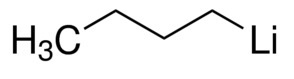
Tell us about your requirement

Price:
Quantity
Select Unit
- 50
- 100
- 200
- 250
- 500
- 1000+
Additional detail
Mobile number
Email

More Products in Laboratory Chemicals Category
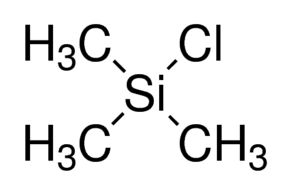
Chlorotrimethylsilane 98.0%
Price 100 INR / Piece
Minimum Order Quantity : 1 Piece
Grade : Industrial Grade
Purity(%) : 98.0%
CAS No : 75774
Type : Other, Chemical Compound
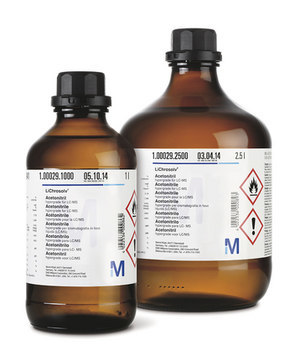
Acetonitrile Hypergrade for LC-MS
Price 100 INR / Piece
Minimum Order Quantity : 1 Piece
Grade : hypergrade for LCMS
Purity(%) : 99.9 %
CAS No : 75058
Type : Scientific Lab Chemicals
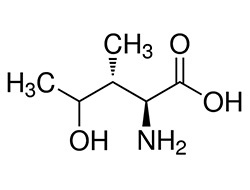
4-Hydroxyisoleucine Powder
Price 100 INR / Kilograms
Minimum Order Quantity : 1 Kilograms
Grade : Medicine Grade
Purity(%) : 98%
CAS No : 781658239
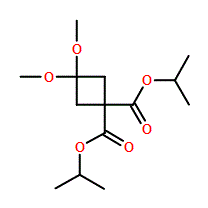
Diisopropyl 3,3-dimethoxycyclobutane-1,1-dicarboxylate
Price 100 INR
Minimum Order Quantity : 500 Kilograms, ,
Grade : Technical
Purity(%) : 99%
CAS No : 115118688
Type : Industrial Lab Chemicals

 Send Inquiry
Our Products


Kesarkunj, Rm No. 9, Vasanji Lalji Road, Kandivali (W), Mumbai - 400067, Maharashtra, India

Mr Nilesh Shah
(Director)
Mobile :08071630254
 Send Inquiry
 Send SMS
 Call Me Free
Developed and Managed by Infocom Network Private Limited.
