
Call us now :08071630254
 Send Inquiry
 Send Inquiry
Pimelic acid
MOQ : 1 Kilograms
Pimelic acid Specification
- Melting Point
- 103 to 105 C (217 to 221 F; 376 to 378 K)
- Molecular Formula
- C7H12O4
- Molecular Weight
- 160.17 Grams (g)
- Usage
- Pimelic acid is the organic compound with the formula HO2C(CH2)5CO2H. Derivatives of pimelic acid are involved in the biosynthesis of the amino acid called lysine. Pimelic acid is one methylene longer than a related dicarboxylic acid, adipic acid, a precursor to many polyesters and polyamides.
- Purity
- 99%
Pimelic acid Trade Information
- Minimum Order Quantity
- 1 Kilograms
- Payment Terms
- Cash Advance (CA), Cash in Advance (CID)
- Supply Ability
- 500 Kilograms KG Per Month
- Delivery Time
- 2-8 Week
- Sample Available
- Yes
- Sample Policy
- Sample costs shipping and taxes has to be paid by the buyer
- Packaging Details
- Carton and Poly Bag.
- Main Export Market(s)
- Australia, Eastern Europe, Middle East, Central America, Africa, South America, Western Europe, Asia, North America
- Main Domestic Market
- All India
About Pimelic acid
Pimelic acid (C7H12O4) is a high-purity organic compound, boasting a purity level of 99%. It is a crystalline substance with a melting point range of 103 to 105 C (217 to 221 F). This dicarboxylic acid serves as a key ingredient in the biosynthesis of lysine, an essential amino acid required for protein formation. Structurally, pimelic acid includes seven carbon atoms and is one methylene group longer than adipic acid, a widely recognized precursor to polyesters and polyamides. Its molecular weight measures 160.17 g, making it suitable for applications in biochemical research, polymer synthesis, and organic chemistry. Pimelic acids stability and chemical properties make it valuable for a variety of industrial and scientific uses.
FAQs of Pimelic acid:
Q: What is the purity level of pimelic acid?
A: Pimelic acid has a purity level of 99%.Q: What is the melting point of pimelic acid?
A: The melting point of pimelic acid ranges from 103 to 105 C (217 to 221 F).Q: What is the molecular weight of pimelic acid?
A: Pimelic acid has a molecular weight of 160.17 grams.Q: What are the primary uses of pimelic acid?
A: Pimelic acid is involved in lysine biosynthesis and serves as a precursor in polymer synthesis and organic chemistry applications.Q: How does pimelic acid compare to adipic acid?
A: Pimelic acid is structurally similar to adipic acid but contains one additional methylene group.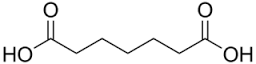
Tell us about your requirement

Price:
Quantity
Select Unit
- 50
- 100
- 200
- 250
- 500
- 1000+
Additional detail
Mobile number
Email

More Products in Analytical Grade Chemicals Category
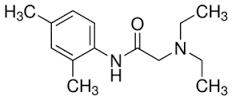
2-(Diethylamino)-N-(2,4-dimethylphenyl)acetamide Hydrochloride (Lidocaine RCI)
Melting Point : 128130C
Molecular Formula : C14H23ClN2O
Purity : 99.0%
Molecular Weight : 270.80 g/mol
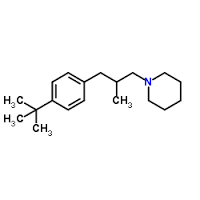
Fenpropidin
Price 100 INR
Minimum Order Quantity : 1 Kilograms
Melting Point : 64.6C
Molecular Formula : C19H31N
Purity : 99%
Molecular Weight : 273.5 Grams (g)
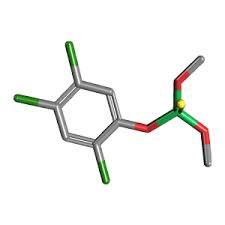
Fenchlorphos
Price 100 INR
Minimum Order Quantity : 1 Kilograms
Melting Point : 41 C
Molecular Formula : C8H8Cl3O3PS
Purity : 92.5%
Molecular Weight : 321.5451 Grams (g)
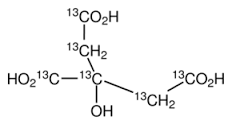
Citric acid sesquipiperazine salt hydrate
Price 100 INR
Minimum Order Quantity : 1 , , Kilograms
Melting Point : 100 deg C
Molecular Formula : C24H46N6O14
Purity : 99%
Molecular Weight : 642.7 Grams (g)

 Send Inquiry
Our Products


Kesarkunj, Rm No. 9, Vasanji Lalji Road, Kandivali (W), Mumbai - 400067, Maharashtra, India

Mr Nilesh Shah
(Director)
Mobile :08071630254
 Send Inquiry
 Send SMS
Developed and Managed by Infocom Network Private Limited.
