
Call us now :08071630254
 Send Inquiry
 Send Inquiry
Pure N-Heptane Chemical
MOQ : 1 Piece
Pure N-Heptane Chemical Specification
- Purity
- 9% Min
- Melting Point
- -90.6b0C
- Density
- 0.684 Gram per cubic centimeter(g/cm3)
- Usage
- Used as a solvent and standard in laboratories
- Storage Instructions
- Store in a cool, dry, well-ventilated place away from sources of ignition
- Molecular Formula
- C7H16
- Molecular Weight
- 100.20 g/mol
- CAS No
- 142-82-5
- Ph Level
- Neutral
- Flash Point
- -4b0C (closed cup)
- Physical State
- Liquid
- Packaging Type
- Drums, Barrels, Tankers
- Boiling point
- 98-99b0C
- Shelf Life
- 24 Months
- Size
- Customizable
- Grade
- Industrial Grade
- Type
- Aliphatic Hydrocarbon
- Application
- Solvent, Laboratory Reagent, Pharmaceutical Intermediate
- Appearance
- Clear Colorless Liquid
- Purity(%)
- 99%
- Vapor Pressure
- 45 mm Hg at 20b0C
- Hazard Statements
- H225: Highly flammable liquid and vapor; H304: May be fatal if swallowed and enters airways
- Transport Information
- IMDG Code: 3, Packing Group II
- Auto Ignition Temperature
- 215b0C
- UN Number
- 1206
- Solubility
- Insoluble in water, soluble in alcohol and ether
- Refractive Index
- 1.387 (at 20b0C)
- EC No
- 205-563-8
- Dangerous Goods Class
- 3 (Flammable Liquid)
- Odor
- Mild, gasoline-like
- Stability
- Stable under recommended storage conditions
Pure N-Heptane Chemical Trade Information
- Minimum Order Quantity
- 1 Piece
- FOB Port
- MUMBAI
- Payment Terms
- Cash in Advance (CID), Cash Advance (CA)
- Supply Ability
- 10 Pieces Per Week
- Delivery Time
- 3-4 Week
- Packaging Details
- 1 l in Glass bottle 10 l in Barrel stainl. st. 2.5 l in Glass bottle 30 l in Barrel stainl. st.
- Main Export Market(s)
- Western Europe, Middle East, Central America, Eastern Europe, South America, Australia, Asia, North America, Africa
- Main Domestic Market
- All India
- Certifications
- ISO CERTIFICATE: 9001:2015
About Pure N-Heptane Chemical
n-Heptane for liquid chromatography LiChrosolv. CAS 142-82-5, EC Number 205-563-8, chemical formula CH(CH)CH
Description
Analysis Note
Purity (GC): 99.3 %
Identity (IR): conforms
Evaporation residue: 2.0 mg/l
Water: 0.005 %
Acidity: 0.0002 meq/g
Alkalinity: 0.0002 meq/g
Transmission (at 210nm): 50 %
Transmission (at 220nm): 80 %
Transmission (from 245nm): 98 %
Filtered by 0.2 m filter
General description
With their high degree of UV transmittance, low particle count, low acidity and alkalinity and low evaporation residue level, LiChrosolv solvents are ideal for reproducible separations. Since separations are normally carried out under gradient conditions in analytical HPLC, we offer solvents in "gradient grade" as well as "isocratic grade". This enables to minimize the gradient effect of the solvent involved.
| bp | 97 - 98 C (1013 hPa) |
| expl. lim. | 1 - 7 %(V) |
| vapor pressure | 48 hPa (20 C) |
| solubility | 0.05 g/l |
| density | 0.68 g/cm3 (20 C) |
| flash point | -4 C |
| autoignition temp. | 215 C |
| mp | -90.5 C |
| LD 50 oral | LD50 Rat > 5000 mg/kg |
| LD 50 dermal | LD50 Rabbit > 2000 mg/kg |
| storage conditions | Store at +5C to +30C. |
Versatile Application and Performance
Pure N-Heptane is widely used in laboratories, industrial manufacturing, and pharmaceutical research. Its high purity and aliphatic nature make it ideal as a solvent, standard reference material, and intermediate reagent. Its rapid evaporation and compatibility with alcohol and ether enhance process efficiency, while its neutral pH makes it suitable for sensitive chemical procedures.
Safety and Handling Precautions
Given its classification as a highly flammable liquid (Class 3), N-Heptane demands careful storage away from ignition sources in cool, well-ventilated areas. Proper personal protective equipment is advised during handling to mitigate risks associated with hazardous vapor and accidental ingestion. Adhering to safety guidelines ensures safe and effective usage.
Reliable Quality and Custom Packaging
Supplied in India, Pure N-Heptane is available in drums, barrels, or tankers, with customizable sizes to fit specific industrial or research demands. With a shelf life of 24 months and a minimum purity of 99%, it provides consistent quality, reliability, and tailored solutions to meet diverse usage requirements.
FAQs of Pure N-Heptane Chemical:
Q: How should Pure N-Heptane be stored to ensure safety and stability?
A: Pure N-Heptane should be stored in a cool, dry, well-ventilated location away from all sources of ignition. Ensuring sealed containers and following recommended storage conditions will maintain its stability and reduce risks associated with its highly flammable properties.Q: What is the main usage of Pure N-Heptane in industrial and laboratory applications?
A: Pure N-Heptane is primarily used as a solvent, laboratory reagent, and pharmaceutical intermediate. Its high purity and excellent solvency make it ideal for dissolving compounds, calibration standards, and chemical synthesis processes in research and industrial settings.Q: When is N-Heptane considered dangerous during handling or transport?
A: N-Heptane is considered hazardous during handling and transport due to its high flammability (class 3), low flash point (-4C), and potential health risks from inhalation or accidental ingestion, as indicated by hazard statements H225 and H304. Appropriate safety measures and compliance with IMDG regulations should be observed.Q: Where can Pure N-Heptane be obtained and how is it packaged?
A: Pure N-Heptane is available from suppliers and traders in India and is offered in customizable packaging including drums, barrels, or tankers. The packaging type and size can be adjusted according to the customers requirements.Q: What benefit does using high-purity N-Heptane offer in laboratory and industrial processes?
A: Using high-purity N-Heptane ensures reliable and consistent results in applications requiring precise solvent characteristics, minimal contamination, and high compatibility with various compounds. It enhances efficiency, safety, and accuracy in chemical procedures.Q: How is N-Heptane processed or disposed of after use?
A: After use, N-Heptane should be disposed of according to local hazardous waste regulations due to its flammability and toxicity. It must not be released into drains or the environment. Consult the supplier or local authorities for specific disposal protocols.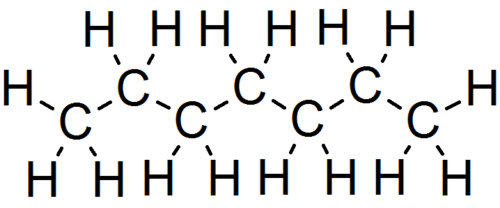
Tell us about your requirement

Price:
Quantity
Select Unit
- 50
- 100
- 200
- 250
- 500
- 1000+
Additional detail
Mobile number
Email

More Products in Laboratory Chemicals Category
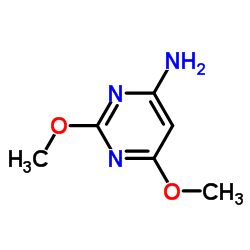
4-Amino-2,6-dimethoxypyrimidine powder
Price 100.00 INR / Kilograms
Minimum Order Quantity : 1 Kilograms
Purity(%) : 98%
CAS No : 3289507
Grade : Analytical Grade
Appearance : White crystal powder
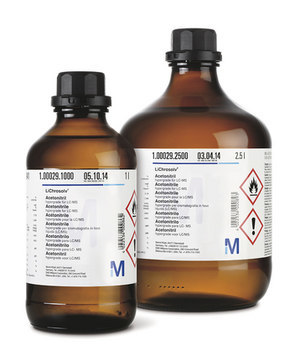
Acetonitrile Hypergrade for LC-MS
Price 100 INR / Piece
Minimum Order Quantity : 1 Piece
Purity(%) : 99.9 %
CAS No : 75058
Grade : hypergrade for LCMS
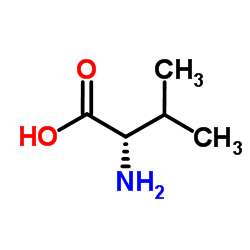
L-Valine Amino Acid
Price 100 INR / Kilograms
Minimum Order Quantity : 1 Kilograms
Purity(%) : 98%
CAS No : 72184
Grade : Food Grade
Appearance : White crystals or crystalline powder
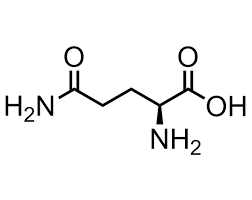
L-Glutamine Amino Acid
Price 100 INR / Kilograms
Minimum Order Quantity : 1 Kilograms
Purity(%) : 99%
CAS No : 56859
Grade : BioTech Grade
Appearance : Colorless needle crystal

 Send Inquiry
Our Products


Kesarkunj, Rm No. 9, Vasanji Lalji Road, Kandivali (W), Mumbai - 400067, Maharashtra, India

Mr Nilesh Shah
(Director)
Mobile :08071630254
 Send Inquiry
 Send SMS
 Call Me Free
Developed and Managed by Infocom Network Private Limited.
