
Call us now :08071630254
 Send Inquiry
 Send Inquiry
Pyrophosphoryl Chloride
Price 100 INR/ Kilograms
MOQ : MOQ Gram
Pyrophosphoryl Chloride Specification
- Density
- 1.67 Gram per cubic centimeter(g/cm3)
- Molecular Formula
- Cl4O3P2
- Ph Level
- Not applicable (acidic nature)
- Physical State
- Liquid
- CAS No
- 13498-00-3
- Usage
- Laboratory Reagent, Industrial Catalyst
- Melting Point
- -32 °C
- Purity
- 98%
- Storage Instructions
- Store in tightly closed container, in a cool, dry, and well-ventilated place, away from moisture
- Size
- Customizable, as per requirement
- Boiling point
- 131-135 °C
- Shelf Life
- 24 months in original sealed packaging
- Flash Point
- Not applicable (decomposes)
- Packaging Type
- Drum
- Molecular Weight
- 218.28 g/mol
- Grade
- Industrial Grade
- Type
- Chemical Compound
- Application
- Pharmaceutical intermediates, Dye manufacturing, Chemical synthesis
- Appearance
- Colorless to pale yellow fuming liquid
- Purity(%)
- 98%
- Incompatibility
- Water, alcohols, bases, strong oxidizing agents
- Refractive Index
- 1.470
- Sensitivity
- Moisture sensitive
- HS Code
- 28129090
- Stability
- Stable under recommended conditions
- Transport Information
- Hazardous, UN No. 3265, Corrosive Liquid
- Handling Precautions
- Use with adequate ventilation and wear suitable protective equipment
- Solubility
- Reacts violently with water
- Odor
- Pungent irritating odor
Pyrophosphoryl Chloride Trade Information
- Payment Terms
- Cash Against Delivery (CAD), Cash in Advance (CID)
- Main Export Market(s)
- Middle East, Asia, Africa
- Main Domestic Market
- All India
About Pyrophosphoryl Chloride
Pyrophosphoryl Chloride
Diphosphoryl chloride, Pyrophosphoric tetrachloride,
Mol Formula Cl4O3P2
CAS No. 13498-14-1
EC No. 236-824-4
Molecular Weight 251.76
Key Applications
Pyrophosphoryl Chloride is integral to the manufacture of pharmaceutical intermediates, dyes, and other chemicals. Its high reactivity and purity make it valuable for processes that require precise chemical transformations, such as laboratory reagent use and industrial catalysis.
Safe Handling and Storage
The compound must be handled with adequate ventilation and protective equipment. It is stable under recommended conditions, but reacts violently with water, alcohols, and bases. Storage in a cool, dry, well-ventilated place, away from moisture, ensures its longevity and safety, with a shelf life of 24 months in sealed packaging.
Transport and Packaging
Classified as a hazardous, corrosive liquid (UN No. 3265), Pyrophosphoryl Chloride is shipped in drums with customizable sizes as per client requirements. Adherence to international transport regulations is essential to prevent incidents and maintain product integrity.
FAQ's of Pyrophosphoryl Chloride:
Q: How should Pyrophosphoryl Chloride be stored for optimal stability?
A: Pyrophosphoryl Chloride should be stored in a tightly closed container, in a cool, dry, and well-ventilated area, away from moisture and incompatible substances such as water, alcohols, and strong oxidizers to maintain stability and prolong shelf life.Q: What protective measures are needed during the handling process?
A: Handling requires adequate ventilation and the use of appropriate personal protective equipment, including gloves, goggles, and protective clothing, due to its corrosive properties and pungent, irritating odor.Q: When is Pyrophosphoryl Chloride typically utilized in industry and research?
A: The compound is frequently used during the synthesis of pharmaceutical intermediates, dye manufacturing, and chemical research as a reagent or industrial catalyst due to its high reactivity and purity.Q: Where does Pyrophosphoryl Chloride find major applications?
A: Its primary applications are in chemical laboratories, the pharmaceutical industry, and dye manufacturing facilities, where precise chemical synthesis and transformation are required.Q: What are the benefits of using Pyrophosphoryl Chloride in chemical synthesis?
A: Its high purity and potent reactivity facilitate efficient chemical transformations, making it ideal for processes demanding rigorous control and accuracy, such as those in pharmaceutical and dye synthesis.Q: How is Pyrophosphoryl Chloride transported safely to customers?
A: It is classified as a hazardous, corrosive liquid and shipped under UN No. 3265 regulations, typically in drums. Transport requires compliance with safety guidelines to prevent exposure and material degradation.Q: What should be done in case of accidental exposure to moisture?
A: Immediate isolation of the substance and removal from moisture sources is essential. Evacuate the area and ensure ventilation, as it reacts violently with water. Consult the safety data sheet (SDS) for emergency actions and seek professional help if needed.
Tell us about your requirement

Price:
Quantity
Select Unit
- 50
- 100
- 200
- 250
- 500
- 1000+
Additional detail
Mobile number
Email

More Products in Laboratory Chemicals Category
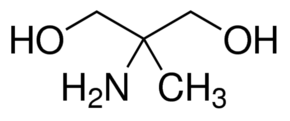
2-Amino Methyl 1 3 Propanediol
Price 100 INR / Piece
Minimum Order Quantity : 1 Piece
Purity(%) : 99%
Type : Scientific Lab Chemicals
Grade : BUFFER
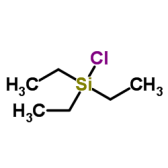
Triethylchlorosilane liquid
Price 100 INR / Kilograms
Minimum Order Quantity : 1 Kilograms
Purity(%) : 98%
Type : Industrial Lab Chemicals
Appearance : Colorless to light yellow clear liquid
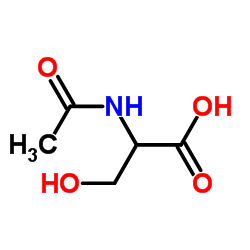
N-Acetyl DL-Serine
Price 100 INR / Kilograms
Minimum Order Quantity : 1 Kilograms
Purity(%) : 99%
Grade : Technical Grade
Appearance : White powder

Ammonium Peroxodisulfate
Price 100 INR
Minimum Order Quantity : 1 Piece
Purity(%) : 99%
Type : Scientific Lab Chemicals

 Send Inquiry
Our Products


Kesarkunj, Rm No. 9, Vasanji Lalji Road, Kandivali (W), Mumbai - 400067, Maharashtra, India

Mr Nilesh Shah
(Director)
Mobile :08071630254
 Send Inquiry
 Send SMS
Developed and Managed by Infocom Network Private Limited.
