
Call us now :08071630254
 Send Inquiry
 Send Inquiry
Trichloroethylene solution
MOQ : 1 Kilograms
Trichloroethylene solution Specification
- Melting Point
- -73 C
- Usage
- Trichloroethylene, also known as TCE, is a colorless, volatile liquid that is produced in large volumes for commercial use. It is primarily used in two ways to make hydrofluorocarbon chemicals, especially refrigerants, and as a solvent to remove grease from metal parts, although this use is declining.
- Molecular Formula
- C2HCl3
- Molecular Weight
- 131.4 Grams (g)
- Purity
- 99%
- Appearance
- Colorless liquid
Trichloroethylene solution Trade Information
- Minimum Order Quantity
- 1 Kilograms
- Payment Terms
- Cash in Advance (CID), Cash Advance (CA)
- Supply Ability
- 500 Kilograms KG Per Month
- Delivery Time
- 2-8 Week
- Sample Available
- Yes
- Sample Policy
- Sample costs shipping and taxes has to be paid by the buyer
- Packaging Details
- Carton and Poly Bag.
- Main Export Market(s)
- Western Europe, Australia, North America, South America, Eastern Europe, Middle East, Africa, Asia, Central America
- Main Domestic Market
- All India
About Trichloroethylene solution
Trichloroethylene (TCE) solution is a highly pure, colorless liquid widely used in industrial applications. With a purity level of 99%, it guarantees optimal performance in every use. Its molecular formula, CHCl, and molecular weight of 131.4 grams ensure precision and reliability. Trichloroethylene boasts a remarkable melting point of -73C, making it suitable for diverse environments and processes. Its primary role lies in the manufacturing of hydrofluorocarbon chemicals, specifically refrigerants, while it is also utilized as a solvent for degreasing metal components. Its volatile nature and efficiency make it an invaluable product for professionals focused on high-performance results. Dependable and effective, Trichloroethylene provides an unbeatable solution to meet industrial needs.
FAQs of Trichloroethylene solution:
Q: What is the purity level of Trichloroethylene solution?
A: The purity level of Trichloroethylene solution is 99%.Q: What is the appearance of Trichloroethylene solution?
A: Trichloroethylene solution is a colorless liquid.Q: What are the main applications of Trichloroethylene solution?
A: It is primarily used to manufacture hydrofluorocarbon chemicals, such as refrigerants, and as a solvent for removing grease from metal parts.Q: What is the molecular formula and weight of Trichloroethylene solution?
A: The molecular formula is CHCl, and the molecular weight is 131.4 grams.Q: What is the melting point of Trichloroethylene solution?
A: The melting point of Trichloroethylene solution is -73C.
Tell us about your requirement

Price:
Quantity
Select Unit
- 50
- 100
- 200
- 250
- 500
- 1000+
Additional detail
Mobile number
Email

More Products in Analytical Grade Chemicals Category
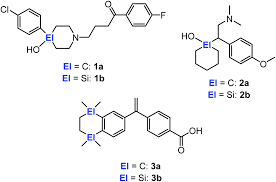
Base/Neutrals Compounds 2B
Purity : 95% minimum
Molecular Formula : Varied; primarily composed of neutral organic compounds
Molecular Weight : Varied depending on compound composition
Usage : Primarily for industrial applications as stabilizing agents and pH adjusters
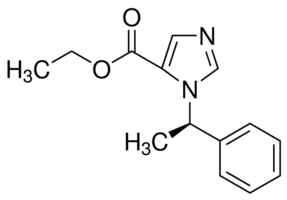
Etomidate impurity B
Price 100 INR
Minimum Order Quantity : 1 Kilograms
Purity : 98%
Molecular Formula : C14H16N2O2
Molecular Weight : 244.29 Grams (g)
Usage : Intravenous Etomidate injection is also indicated for the supplementation of subpotent anesthetic agents, such as nitrous oxide in oxygen, during maintenance of anesthesia for short operative procedures such as dilation and curettage or cervical conization.
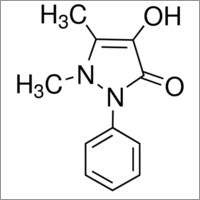
4- Hydroxyantipyrine
Price 100 INR
Minimum Order Quantity : 1 Kilograms
Purity : 99.4%
Molecular Formula : C11H12N2O2
Molecular Weight : 204.22 Grams (g)

Dioxins and Furans in Tissue - PT
Price 100 INR
Minimum Order Quantity : 1 Kilograms
Purity : 99%
Molecular Formula : C4H4O2
Usage : Dioxins have no common uses. They are manufactured on a small scale for chemical and toxicological research, but mostly exist as byproducts of industrial processes such as bleaching paper pulp, pesticide manufacture, and combustion processes such as waste incineration.

 Send Inquiry
Our Products


Kesarkunj, Rm No. 9, Vasanji Lalji Road, Kandivali (W), Mumbai - 400067, Maharashtra, India

Mr Nilesh Shah
(Director)
Mobile :08071630254
 Send Inquiry
 Send SMS
 Call Me Free
Developed and Managed by Infocom Network Private Limited.
