
Call us now :08071630254
 Send Inquiry
 Send Inquiry
Trypsin
MOQ : 1 Kilograms
Trypsin Specification
- Molecular Weight
- 725.8
- Usage
- commercial purposes from the pancreas of livestock
- CAS No
- 9002-07-7
- Melting Point
- (196.5 °C)
- Molecular Formula
- C35H47N7O10
- Purity
- 95%
Trypsin Trade Information
- Minimum Order Quantity
- 1 Kilograms
- Payment Terms
- Cash in Advance (CID), Cash Advance (CA)
- Supply Ability
- 500 Kilograms KG Per Month
- Delivery Time
- 2-8 Week
- Sample Available
- Yes
- Sample Policy
- Sample costs shipping and taxes has to be paid by the buyer
- Packaging Details
- Carton and Poly Bag.
- Main Export Market(s)
- Eastern Europe, Western Europe, Middle East, Africa, Central America, South America, Australia, Asia, North America
- Main Domestic Market
- All India
About Trypsin
Trypsin is a high-purity enzyme prominently used for commercial applications, derived from the pancreas of livestock. With a proven purity level of 95%, this biologically active compound plays an essential role in processes such as protein hydrolysis and enzymatic reactions. Trypsins molecular formula is C35H47N7O10, showcasing its intricate chemical structure with a molecular weight of 725.8 g/mol. Its thermal stability, highlighted by a melting point of 196.5C, ensures reliability in diverse industrial environments. The products CAS number is 9002-07-7, affirming its authenticity and compliance for research and commercial use. Suitable for a variety of applications, Trypsin is distributed by suppliers and traders who prioritize high-quality control.
FAQs of Trypsin:
Q: What is the purity level of Trypsin?
A: Trypsin boasts a high purity level of 95%, ensuring superior performance in commercial applications.Q: What is the melting point of Trypsin?
A: The melting point of Trypsin is 196.5C, showcasing its thermal stability.Q: What is the molecular weight of Trypsin?
A: The molecular weight of Trypsin is 725.8 g/mol.Q: What is Trypsins molecular formula?
A: The molecular formula of Trypsin is C35H47N7O10.Q: For what purposes is Trypsin commonly used?
A: Trypsin is commonly used for commercial purposes, primarily in protein hydrolysis and enzymatic processes.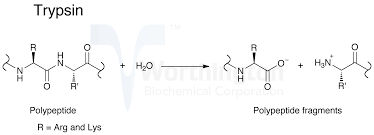
Tell us about your requirement

Price:
Quantity
Select Unit
- 50
- 100
- 200
- 250
- 500
- 1000+
Additional detail
Mobile number
Email

More Products in Analytical Grade Chemicals Category
1,1-Dichloroethene solution
Price 100 INR
Minimum Order Quantity : 1 Kilograms
Molecular Weight : 96.94
Purity : 98%
Molecular Formula : C2H2Cl2
Usage : 1,2Dichloroethene is used primarily as a chemical intermediate in the synthesis of chlorinated solvents and compounds. It has also been used as a solvent for waxes, resins, acetylcellulose, perfumes, dyes, lacquers, thermoplastics, fats, and phenols.
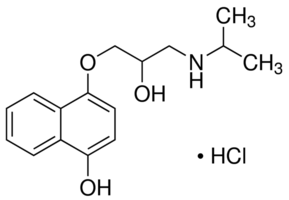
()-4-Hydroxypropranolol hydrochloride
Price 100 INR / Kilograms
Minimum Order Quantity : 1 Kilograms
Molecular Weight : 275.34 Grams (g)
Purity : 98%
Molecular Formula : C16H21NO3
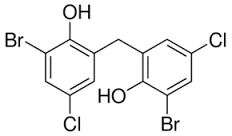
Cyclopentylalbendazole
Price 100 INR
Minimum Order Quantity : 1 Kilograms
Molecular Weight : 265.34 Grams (g)
Purity : 97%
Molecular Formula : C12H15N3O2S

Procyclidine hydrochloride
Price 100 INR
Minimum Order Quantity : 1 Kilograms
Molecular Weight : 323.9 Grams (g)
Purity : 98%
Molecular Formula : C19H30ClNO
Usage : Kemadrin (procyclidine hydrochloride) is an anticholinergic/antispasmodic drug used to treat symptoms of Parkinson's disease or involuntary movements due to the side effects of certain psychiatric drugs (antipsychotics such as chlorpromazine/haloperidol).

 Send Inquiry
Our Products


Kesarkunj, Rm No. 9, Vasanji Lalji Road, Kandivali (W), Mumbai - 400067, Maharashtra, India

Mr Nilesh Shah
(Director)
Mobile :08071630254
 Send Inquiry
 Send SMS
Developed and Managed by Infocom Network Private Limited.
