
Call us now :08071630254
 Send Inquiry
 Send Inquiry
Ursolic acid
MOQ : 1 Kilograms
Ursolic acid Specification
- Usage
- Ursolic acid is a weak aromatase inhibitor (IC50 = 32 μM), and has been shown to increase the amount of muscle and brown fat and decrease white fat obesity and associated conditions when added to diets fed to mice.
- Melting Point
- 285 to 288 °C (545 to 550 °F; 558 to 561 K)
- Molecular Weight
- 456.7 Grams (g)
- Molecular Formula
- C30H48O3
- Purity
- 95%
Ursolic acid Trade Information
- Minimum Order Quantity
- 1 Kilograms
- Payment Terms
- Cash in Advance (CID), Cash Advance (CA)
- Supply Ability
- 500 Kilograms Per Month
- Delivery Time
- 3-4 Week
- Sample Available
- Yes
- Sample Policy
- Sample costs shipping and taxes has to be paid by the buyer
- Main Export Market(s)
- Western Europe, Australia, Eastern Europe, Central America, Middle East, South America, Asia, North America, Africa
- Main Domestic Market
- All India
About Ursolic acid
Ursolic acid is a high-purity compound (95%) identified for its promising effects on health and wellness. With a molecular formula of C30H48O3 and a molecular weight of 456.7 grams, this substance is particularly noted as a weak aromatase inhibitor with an IC50 of 32 M. It has been demonstrated to enhance muscle growth, increase brown fat, and reduce white fat, making it a potential addition to health-focused nutritional applications. Research on mice highlights its ability to combat obesity and related conditions when incorporated into dietary regimens. The substance possesses a distinct melting point range of 285288 C, ensuring its stability under specific temperature conditions. As a supplier and trader of this product, we ensure it meets high standards of quality for your application needs.
FAQs of Ursolic acid:
Q: What is the purity level of Ursolic acid?
A: Ursolic acid has a purity level of 95%.Q: What is the molecular weight of Ursolic acid?
A: The molecular weight of Ursolic acid is 456.7 grams.Q: What are the benefits of Ursolic acid?
A: Ursolic acid increases muscle and brown fat while reducing white fat, with promising applications in combating obesity and related conditions.Q: At what temperature does Ursolic acid melt?
A: Ursolic acid has a melting point range of 285288 C.Q: How is Ursolic acid used in research?
A: It is used as an aromatase inhibitor and studied for its effects on dietary-induced body fat distribution and muscle development in mice.
Tell us about your requirement

Price:
Quantity
Select Unit
- 50
- 100
- 200
- 250
- 500
- 1000+
Additional detail
Mobile number
Email

More Products in Analytical Grade Chemicals Category
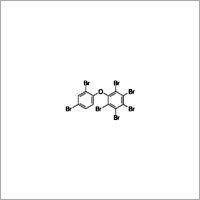
BDE No 181 solution
Molecular Weight : 564.7 g/mol
Molecular Formula : C12H5Br5O
Melting Point : 8590C
Appearance : Clear to paleyellow liquid
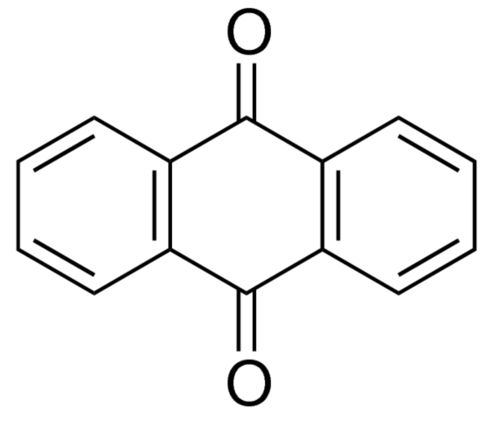
Anthraquinone
Price 100 INR
Minimum Order Quantity : 1 Kilograms
Molecular Weight : 208.216 Grams (g)
Molecular Formula : C14H8O2
Melting Point : 286 °C
Appearance : yellow solid
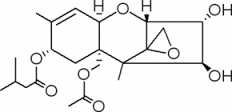
HT-2 Toxin solution
Price 100 INR
Minimum Order Quantity : 1 Kilograms
Molecular Weight : 424.5 Grams (g)
Molecular Formula : C22H32O8
Melting Point : 128°C133°C
Appearance : White to slight
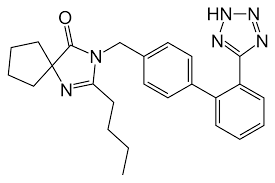
Irbesartan
Price 100 INR
Minimum Order Quantity : 1 Kilograms
Molecular Weight : 428.53 Grams (g)
Molecular Formula : C25H28N6O
Melting Point : 180184°C
Appearance : White Solid

 Send Inquiry
Our Products


Kesarkunj, Rm No. 9, Vasanji Lalji Road, Kandivali (W), Mumbai - 400067, Maharashtra, India

Mr Nilesh Shah
(Director)
Mobile :08071630254
 Send Inquiry
 Send SMS
Developed and Managed by Infocom Network Private Limited.
