
Call us now :08071630254
 Send Inquiry
 Send Inquiry
Vancomycin hydrochloride
MOQ : 1 Kilograms
Vancomycin hydrochloride Specification
- Molecular Weight
- 1485.7 Grams (g)
- Molecular Formula
- C66H76Cl3N9O24
- Solubility
- Soluble in water (100 mg/ml)
- Melting Point
- >175 C (dec.)
- Usage
- Vancomycin is used to treat serious bacterial infections. It is an antibiotic that works by stopping the growth of bacteria. This medication is usually given by injection into a vein.
Vancomycin hydrochloride Trade Information
- Minimum Order Quantity
- 1 Kilograms
- Payment Terms
- Cash in Advance (CID), Cash Advance (CA)
- Supply Ability
- 500 Kilograms KG Per Month
- Delivery Time
- 2-8 Week
- Sample Available
- Yes
- Sample Policy
- Sample costs shipping and taxes has to be paid by the buyer
- Packaging Details
- Carton and Poly Bag.
- Main Export Market(s)
- Australia, North America, Eastern Europe, Middle East, Western Europe, Africa, Central America, South America, Asia
- Main Domestic Market
- All India
About Vancomycin hydrochloride
Vancomycin hydrochloride is a potent antibiotic designed for treating severe bacterial infections. As a bactericidal agent, it halts the growth and spread of harmful bacteria, offering a reliable solution for complex health conditions. This compound demonstrates excellent water solubility, achieving concentrations up to 100 mg/ml, making it practical for preparation and administration via intravenous injection. With a molecular formula of C66H76Cl3N9O24 and an impressive molecular weight of 1485.7 grams, Vancomycin hydrochloride is a carefully engineered substance suitable for precision-driven clinical applications. Its melting point, exceeding 175C (with decomposition), underscores its stability under rigorous conditions, ensuring consistent performance during use.
FAQs of Vancomycin hydrochloride:
Q: What is the solubility of Vancomycin hydrochloride?
A: Vancomycin hydrochloride is highly soluble in water, with solubility up to 100 mg/ml.Q: What is the primary use of Vancomycin hydrochloride?
A: It is used to treat serious bacterial infections and works by stopping bacterial growth.Q: How is Vancomycin hydrochloride administered?
A: This antibiotic is typically administered via injection into a vein.Q: What is the molecular weight of Vancomycin hydrochloride?
A: The molecular weight is 1485.7 grams.Q: What is the melting point of Vancomycin hydrochloride?
A: The melting point is greater than 175C, with decomposition.
Tell us about your requirement

Price:
Quantity
Select Unit
- 50
- 100
- 200
- 250
- 500
- 1000+
Additional detail
Mobile number
Email

More Products in Analytical Grade Chemicals Category
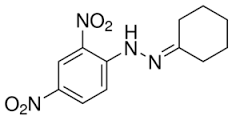
CARB Method 1004 DNPH Mix 1
Molecular Formula : N/A (mixture of DNPH derivatives)
Molecular Weight : Varies depending on the derivatives
Purity : Varies
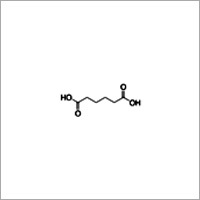
Adipic acid
Price 100 INR
Minimum Order Quantity : 1 Kilograms
Molecular Formula : C6H10O4
Melting Point : 152.1 C
Molecular Weight : 146.1412
Purity : 99%
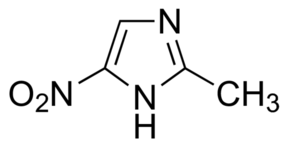
2-Methyl-5- Nitroimidazole
Price 100 INR
Minimum Order Quantity : 1 Kilograms
Molecular Formula : C4H5N3O2
Melting Point : 179C
Molecular Weight : 127.1 Grams (g)
Purity : 99.0%
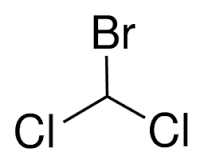
Bromochloromethane (CH2BrCl)
Price 100 INR
Minimum Order Quantity : 1 Kilograms
Molecular Formula : CH2BrCl
Melting Point : 86.5 C

 Send Inquiry
Our Products


Kesarkunj, Rm No. 9, Vasanji Lalji Road, Kandivali (W), Mumbai - 400067, Maharashtra, India

Mr Nilesh Shah
(Director)
Mobile :08071630254
 Send Inquiry
 Send SMS
 Call Me Free
Developed and Managed by Infocom Network Private Limited.
