
Call us now :08071630254
 Send Inquiry
 Send Inquiry
Warfarin
MOQ : 1 Kilograms
Warfarin Specification
- Molecular Formula
- C19H16O4
- Purity
- 98%
- Usage
- Warfarin is an anticoagulant (blood thinner). Warfarin reduces the formation of blood clots. Warfarin is used to treat or prevent blood clots in veins or arteries, which can reduce the risk of stroke, heart attack, or other serious conditions.
- Molecular Weight
- 308.33 Grams (g)
- Melting Point
- 151-161 C.
Warfarin Trade Information
- Minimum Order Quantity
- 1 Kilograms
- Payment Terms
- Cash in Advance (CID), Cash Advance (CA)
- Supply Ability
- 500 Kilograms, KG Per Month
- Delivery Time
- 2-8 Week
- Sample Available
- Yes
- Sample Policy
- Sample costs shipping and taxes has to be paid by the buyer
- Packaging Details
- Carton and Poly Bag.
- Main Export Market(s)
- Western Europe, Australia, Eastern Europe, Middle East, Africa, South America, Asia, Central America, North America
- Main Domestic Market
- All India
About Warfarin
Warfarin is a high-purity anticoagulant (blood thinner) with a purity level of 98%. It is widely used to reduce the formation of blood clots and effectively treat or prevent blood clots in veins or arteries. With a molecular weight of 308.33 grams (g) and a molecular formula of C19H16O4, Warfarin plays a vital role in reducing the risk of stroke, heart attack, and other serious health conditions. Featuring a reliable melting point range of 151-161 C, the product ensures stability and effectiveness for medical and pharmaceutical applications. Warfarin serves as a critical component in blood clot management strategies, catering to the needs of healthcare professionals and suppliers with high standards of quality and performance.
FAQs of Warfarin:
Q: What is Warfarin used for?
A: Warfarin is used as an anticoagulant to treat or prevent blood clots in veins or arteries, reducing the risk of stroke, heart attack, or other serious conditions.Q: What is the purity level of Warfarin?
A: Warfarin has a high purity level of 98%.Q: What is the molecular weight of Warfarin?
A: The molecular weight of Warfarin is 308.33 grams (g).Q: What is the molecular formula of Warfarin?
A: The molecular formula of Warfarin is C19H16O4.Q: What is the melting point range of Warfarin?
A: Warfarin has a melting point range of 151-161 C.
Tell us about your requirement

Price:
Quantity
Select Unit
- 50
- 100
- 200
- 250
- 500
- 1000+
Additional detail
Mobile number
Email

More Products in Analytical Grade Chemicals Category
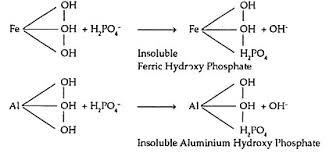
Anions in Soil
Purity : Depends on the composition of soil extract and test preparation
Molecular Formula : Varies by anion type (e.g. NO3 SO4 Cl)
Appearance : Typically analyzed as a clear or slightly cloudy solution when extracted
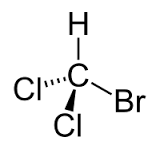
Bromodichloromethane (CHBrCl2)
Price 100 INR
Minimum Order Quantity : 1 Kilograms
Purity : 98%
Molecular Formula : CHBrCl2
Appearance : Colorless liquid
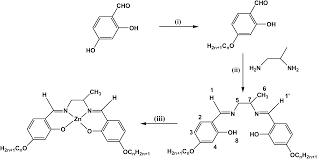
Zinc atomic spectroscopy standard concentrate 1.00 g Zn
Price 10 INR
Minimum Order Quantity : 1 Kilograms
Purity : 98%
Molecular Formula : Zn
Molecular Weight : 65.4 Grams (g)
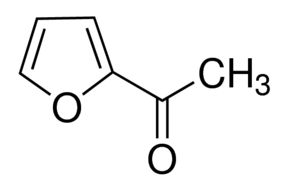
2-Furyl methyl keton
Price 100 INR
Minimum Order Quantity : 1 Kilograms
Purity : 99%
Molecular Formula : C6H6O2
Appearance : Low melting solid
Molecular Weight : 110.112 Grams (g)

 Send Inquiry
Our Products


Kesarkunj, Rm No. 9, Vasanji Lalji Road, Kandivali (W), Mumbai - 400067, Maharashtra, India

Mr Nilesh Shah
(Director)
Mobile :08071630254
 Send Inquiry
 Send SMS
Developed and Managed by Infocom Network Private Limited.
