
Call us now :08071630254
 Send Inquiry
 Send Inquiry
Xylazine Impurity C
MOQ : 1 Kilograms
Xylazine Impurity C Specification
- Molecular Formula
- C12H16N2S
- Usage
- Xylazine is an analogue of clonidine and an agonist at the α2 class of adrenergic receptor. It is used for sedation, anesthesia, muscle relaxation, and analgesia in animals such as horses, cattle and other non-human mammals. Veterinarians also use xylazine as an emetic, especially in cats.
- Melting Point
- 140.0C
- Molecular Weight
- 220.34 Grams (g)
- Purity
- 98%
Xylazine Impurity C Trade Information
- Minimum Order Quantity
- 1 Kilograms
- Payment Terms
- Cash in Advance (CID), Cash Advance (CA)
- Supply Ability
- 500 Kilograms Per Month
- Delivery Time
- 2-8 Week
- Sample Available
- Yes
- Sample Policy
- Sample costs shipping and taxes has to be paid by the buyer
- Packaging Details
- Carton and Poly Bag.
- Main Export Market(s)
- Western Europe, Australia, Eastern Europe, Central America, Africa, Middle East, South America, Asia, North America
- Main Domestic Market
- All India
About Xylazine Impurity C
Xylazine impurity C is a high-purity chemical compound (98%) with a molecular formula of C12H16N2S and a molecular weight of 220.34 grams. This impurity demonstrates a melting point of 140.0C, making it suitable for analytical and research applications. Xylazine, an analogue of clonidine, functions as an agonist at the 2 adrenergic receptor class and is widely used in veterinary medicine. It offers properties such as sedation, anesthesia, muscle relaxation, and analgesia for animal care, predominantly in horses, cattle, and other non-human mammals. Additionally, it is employed by veterinarians as an emetic, especially for cats. Xylazine impurity C provides essential insights into the development and refinement of veterinary pharmaceutical formulations, supporting precise study and quality control.
FAQs of Xylazine impurity C:
Q: What is the molecular formula of Xylazine impurity C?
A: The molecular formula of Xylazine impurity C is C12H16N2S.Q: What is the purity level of this product?
A: Xylazine impurity C has a high purity level of 98%.Q: What are the primary applications of Xylazine?
A: Xylazine is used for sedation, anesthesia, muscle relaxation, analgesia, and as an emetic in animal care.Q: What is the melting point of Xylazine impurity C?
A: The melting point of Xylazine impurity C is 140.0C.Q: In which species is Xylazine typically utilized?
A: Xylazine is typically utilized in animals such as horses, cattle, and other non-human mammals, including cats.
Tell us about your requirement

Price:
Quantity
Select Unit
- 50
- 100
- 200
- 250
- 500
- 1000+
Additional detail
Mobile number
Email

More Products in Analytical Grade Chemicals Category
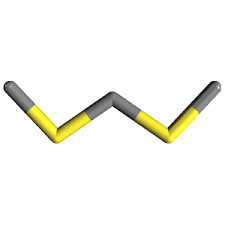
Bis(methylthio)methane
Price 100 INR
Minimum Order Quantity : 1 Kilograms
Molecular Formula : C3H8S2
Molecular Weight : 108.23
Melting Point : 20.5 C (−4.9 F; 252.7 K)
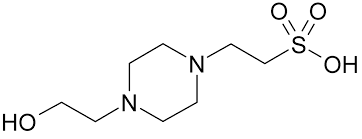
HEPES
Price 100 INR
Minimum Order Quantity : 1 Kilograms
Molecular Formula : C8H18N2O4S
Molecular Weight : 238.3012 Grams (g)
Usage : HEPES is widely used in cell culture, largely because it is better at maintaining physiological pH despite changes in carbon dioxide concentration (produced by aerobic respiration) when compared to bicarbonate buffers, which are also commonly used in cell culture.
Melting Point : 234 C
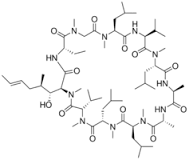
Cyclosporin D solution
Price 100 INR
Minimum Order Quantity : 1 Kilograms
Molecular Formula : C62H111N11O12
Molecular Weight : 1202.6 Grams (g)
Usage : Ciclosporin, also spelled cyclosporine and cyclosporin, is an immunosuppressant medication and natural product. It is taken by mouth or by injection into a vein for rheumatoid arthritis, psoriasis, Crohn's disease, nephrotic syndrome, and in organ transplants to prevent rejection.
Melting Point : 148151C 1.
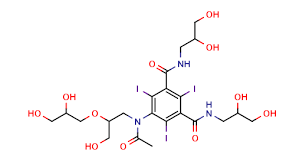
Iohexol Impurity A
Price 100 INR
Minimum Order Quantity : 1 Kilograms
Molecular Formula : C19H26I3N3O9
Molecular Weight : 821.14 Grams (g)
Usage : This medication is used before Xray imaging tests (such as CT scans). Iohexol contains iodine and belongs to a class of drugs known as contrast media or dyes. It works by adding contrast to body parts and fluids in these imaging tests.
Melting Point : (C), 174180 C

 Send Inquiry
Our Products


Kesarkunj, Rm No. 9, Vasanji Lalji Road, Kandivali (W), Mumbai - 400067, Maharashtra, India

Mr Nilesh Shah
(Director)
Mobile :08071630254
 Send Inquiry
 Send SMS
 Call Me Free
Developed and Managed by Infocom Network Private Limited.
