
Call us now :08071630254
 Send Inquiry
 Send Inquiry
Xylose
MOQ : 1 Kilograms
Xylose Specification
- Molecular Weight
- 150.13 Grams (g)
- Melting Point
- 144 to 145 C (291 to 293 F; 417 to 418 K)
- Usage
- Xylose is a sugar isolated from wood. D-Xylose is a sugar widely used as a diabetic sweetener in food and beverage. Xylose has also been used as a diagnostic agent to observe malabsorption. Reduction of xylose by catalytic hydrogenation produces the common food additive sweetener substitute xylitol Xylitol.
- Molecular Formula
- C5H10O5
- Appearance
- monoclinic needles or prisms, colourless
Xylose Trade Information
- Minimum Order Quantity
- 1 Kilograms
- Payment Terms
- Cash Advance (CA), Cash in Advance (CID)
- Supply Ability
- 500 Kilograms KG Per Month
- Delivery Time
- 2-8 Week
- Sample Available
- Yes
- Sample Policy
- Sample costs shipping and taxes has to be paid by the buyer
- Packaging Details
- Carton and Poly Bag.
- Main Export Market(s)
- Western Europe, Australia, South America, Eastern Europe, Middle East, Central America, Africa, Asia, North America
- Main Domestic Market
- All India
About Xylose
Xylose is a naturally occurring sugar primarily extracted from wood. This versatile sugar exhibits a molecular formula of C5H10O5 and appears as colorless monoclinic needles or prisms. Xylose is widely recognized for its applications in food and beverage as a diabetic sweetener, offering a healthier alternative for individuals managing their glucose levels. It also plays a critical role as a diagnostic agent in assessing malabsorption conditions within the body. With a melting point of 144 to 145 C (291 to 293 F), Xylose showcases exceptional stability. Furthermore, its reduction through catalytic hydrogenation leads to the production of xylitol, a popular sweetener substitute in the food industry. Offering a molecular weight of 150.13 g, Xylose is sought after for its reliable properties, making it a preferred choice for industries focusing on food, beverages, and diagnostic applications.
FAQs of Xylose:
Q: What is Xylose primarily used for?
A: Xylose is primarily used as a diabetic sweetener in food and beverage applications and as a diagnostic agent for malabsorption studies.Q: What is the appearance of Xylose?
A: Xylose appears as colorless monoclinic needles or prisms.Q: What is the melting point of Xylose?
A: Xylose melts at 144 to 145 C (291 to 293 F).Q: How is Xylose converted to xylitol?
A: Xylose is reduced via catalytic hydrogenation to produce xylitol.Q: What is the molecular weight of Xylose?
A: Xylose has a molecular weight of 150.13 grams (g).
Tell us about your requirement

Price:
Quantity
Select Unit
- 50
- 100
- 200
- 250
- 500
- 1000+
Additional detail
Mobile number
Email

More Products in Analytical Grade Chemicals Category
HPLC Autosampler Standards
Molecular Weight : Varies depending on standard composition
Purity : Typically 99%
Molecular Formula : Varies depending on standard composition
Appearance : Clear liquid or fine powder
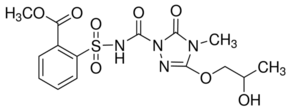
2-Hydroxy-propoxycarbazone
Price 100 INR
Minimum Order Quantity : 1 Kilograms
Molecular Weight : 414,39 Grams (g)
Purity : 71.0%
Molecular Formula : C15H18N4O8S

Benzthiazuron (C9H9N3OS)
Price 100 INR
Minimum Order Quantity : 1 , , Kilograms
Molecular Weight : 207.25 Grams (g)
Purity : 99%
Molecular Formula : C9H9N3OS
Appearance : White powder.
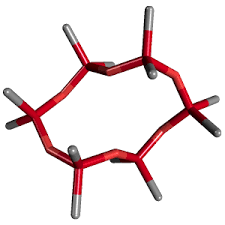
Dodecamethylcyclohexasiloxane Chemical
Price 100 INR
Minimum Order Quantity : 1 Kilograms
Molecular Weight : 444.92 Grams (g)
Purity : 98%
Molecular Formula : C12H36O6Si6
Appearance : Colorless clear oily liquid (est)

 Send Inquiry
Our Products


Kesarkunj, Rm No. 9, Vasanji Lalji Road, Kandivali (W), Mumbai - 400067, Maharashtra, India

Mr Nilesh Shah
(Director)
Mobile :08071630254
 Send Inquiry
 Send SMS
Developed and Managed by Infocom Network Private Limited.
