
Call us now :08071630254
 Send Inquiry
![1,3,4,6,7,8-Hexahydro-4,6,6,7,8,8-hexamethylcyclopenta[g]-2-benzopyran Share](https://tiimg.tistatic.com/new_website1/design2025/product-details/marketeq_share-alt-5.svg)
 Send Inquiry
1,3,4,6,7,8-Hexahydro-4,6,6,7,8,8-hexamethylcyclopenta[g]-2-benzopyran
MOQ : 1 , , Kiloampere
1,3,4,6,7,8-Hexahydro-4,6,6,7,8,8-hexamethylcyclopenta[g]-2-benzopyran Specification
- Refractive Rate
- 1.481 - 1.487
- Purity
- >99%
- Ph Level
- Neutral
- Poisonous
- Non-poisonous
- Product Type
- Aromatic Compounds
- Appearance
- Colorless to pale yellow liquid
- Shape
- Amorphous Liquid
- Application
- Used in perfumes, personal care products, soaps, detergents, and air fresheners
- Storage
- Store in tightly sealed containers in a cool, dry, and ventilated area away from sources of ignition
- Molecular Formula
- C16H26O
- CAS No
- 1222-05-5
- Properties
- Colorless to pale yellow viscous liquid with strong, sweet, musky odor. Insoluble in water but soluble in organic solvents. Stable under recommended storage conditions. Non-corrosive.
- Structural Formula
- See image: https://cpimg.tistatic.com/3373880/s/5/134678-Hexahydro-466788-hexamethylcyclopenta-g-2-benzopyran.png
- Usage
- For perfumery and fragrance blending
- EINECS No
- 214-946-9
- Ingredients
- 1,3,4,6,7,8-Hexahydro-4,6,6,7,8,8-hexamethylcyclopenta[g]-2-benzopyran
- Solubility
- Insoluble in water, soluble in ethanol and oils
- Physical Form
- Liquid
- Smell
- Strong musky odor
- Molecular Weight
- 234.38 g/mol
- Density
- 0.956 Gram per cubic centimeter(g/cm3)
- Shelf Life
- 24 months in unopened containers
- HS Code
- 29062100
- Grade
- Fragrance Grade
- Melting Point
- -12°C
- Vapor Pressure
- <0.01 mmHg at 20C
- Flash Point
- >110C
- Boiling Point
- 330C
- Transport Information
- Not regulated as dangerous goods
- Stability
- Stable under recommended storage conditions
- LogP (octanol/water)
- 5.91
- Synonyms
- Galaxolide, HHCB, Hexamethylindanopyran
- Hazard Statements
- Not classified as hazardous under GHS
- Environmental Impact
- Readily biodegradable
1,3,4,6,7,8-Hexahydro-4,6,6,7,8,8-hexamethylcyclopenta[g]-2-benzopyran Trade Information
- Minimum Order Quantity
- 1 , , Kiloampere
- Payment Terms
- Cash in Advance (CID), Cash Advance (CA)
- Supply Ability
- 500 Kiloamperes Per Month
- Delivery Time
- 2-8 Week
- Sample Available
- Yes
- Sample Policy
- Sample costs shipping and taxes has to be paid by the buyer
- Packaging Details
- Carton and Poly Bag.
- Main Export Market(s)
- Western Europe, Australia, Middle East, Africa, South America, Asia, Central America, Eastern Europe, North America
- Main Domestic Market
- All India
About 1,3,4,6,7,8-Hexahydro-4,6,6,7,8,8-hexamethylcyclopenta[g]-2-benzopyran
1,3,4,6,7,8-
Analytical standard
Synonym: 1,3,4,6,7,8-
-
CAS Number 1222-05-5
-
Empirical Formula (Hill Notation) C18H26O
-
Molecular Weight 258.40
| grade | analytical standard |
| assay | 85.0% (GC) |
| shelf life | limited shelf life, expiry date on the label |
| refractive index | n20/D 1.530-1.540 |
Versatile Applications in Fragrance Industry
Galaxolide is extensively employed in the creation of perfumes, personal care items, soaps, detergents, and air fresheners. Its high solubility in ethanol and oils enables smooth blending in a range of fragrance formulations, delivering a lasting musky scent that enhances product appeal across industries.
Robust Chemical and Physical Properties
This compound boasts excellent stability under recommended storage, with a high boiling point (330C) and low vapor pressure. Its neutral pH, high refractive index, and amorphous liquid form make it suitable for diverse applications. Notably, it remains insoluble in water but dissolves readily in various organic solvents.
Safe, Eco-Friendly, and Easy to Handle
Galaxolide is neither classified as hazardous nor regulated as a dangerous good for transport. It is non-poisonous, non-corrosive, and readily biodegradable, making it a responsible choice for use in consumer products. With proper storagesealed, cool, and dry environmentsit maintains its efficacy for up to 24 months.
FAQs of 1,3,4,6,7,8-Hexahydro-4,6,6,7,8,8-hexamethylcyclopenta[g]-2-benzopyran:
Q: How is 1,3,4,6,7,8-Hexahydro-4,6,6,7,8,8-hexamethylcyclopenta[g]-2-benzopyran typically used in industries?
A: This ingredient, also known as Galaxolide or HHCB, is predominantly utilized in fragrance blending for products like perfumes, soaps, detergents, personal care items, and air fresheners due to its strong, musky scent and solubility in oils and alcohols.Q: What are the key benefits of using Galaxolide in perfumery and personal care products?
A: Galaxolide imparts a long-lasting musky note to fragrances, is non-poisonous, stable, and maintains its properties over extended periods. Its compatibility with other fragrance ingredients makes it ideal for a broad spectrum of aromatic compositions.Q: When and how should Galaxolide be stored to preserve its quality?
A: To maintain optimal quality, Galaxolide should be stored in tightly sealed containers placed in a cool, dry, and well-ventilated environment, away from sources of ignition. Under these conditions, it has a recommended shelf life of 24 months.Q: Where does Galaxolide exhibit its highest solubility and what is its appearance?
A: Galaxolide is insoluble in water but displays high solubility in organic solvents such as ethanol and oils. It appears as a colorless to pale yellow amorphous liquid with a strong, sweet, musky odor.Q: What ensures Galaxolides stability and safety during use and transport?
A: The compound is chemically stable under recommended storage conditions, non-corrosive, and not classified as hazardous under GHS. Furthermore, it is not regulated as a dangerous good for transport, making it safe to handle and ship.Q: How does Galaxolide impact the environment compared to similar fragrance chemicals?
A: Galaxolide is considered environmentally responsible, being readily biodegradable and non-poisonous. Its use does not pose significant threats to ecological systems when handled and disposed of properly.![1,3,4,6,7,8-Hexahydro-4,6,6,7,8,8-hexamethylcyclopenta[g]-2-benzopyran](https://cpimg.tistatic.com/03373880/b/5/1-3-4-6-7-8-Hexahydro-4-6-6-7-8-8-hexamethylcyclopenta-g-2-benzopyran.png)
Tell us about your requirement

Price:
Quantity
Select Unit
- 50
- 100
- 200
- 250
- 500
- 1000+
Additional detail
Mobile number
Email

More Products in Analytical Grade Chemicals Category
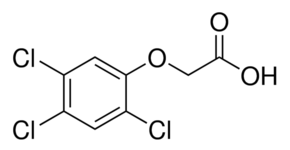
2,4, 5-T solution
Molecular Weight : 255.49 g/mol Grams (g)
Molecular Formula : C8H6Cl3O3
Purity : Not applicable for solution (active ingredient concentration specific to formulation)
Melting Point : Not applicable (solution form)
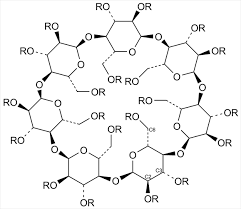
Hydroxypropyl betadex
Price 100 INR
Minimum Order Quantity : 1 Kilograms
Molecular Weight : 1375.4 Grams (g)
Purity : 99%
Melting Point : C17H20N2O2
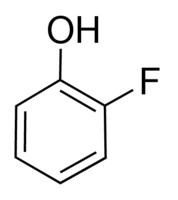
2-Fluorophenol
Price 100 INR
Minimum Order Quantity : 1 Kilograms
Molecular Weight : 112.1 Grams (g)
Molecular Formula : C6H5FO
Purity : 98%
Melting Point : 1416°C.

Procyanidin A2
Price 100 INR
Minimum Order Quantity : 1 Kilograms
Molecular Weight : 594.5 Grams (g)
Molecular Formula : C30H26O13
Purity : 98%

 Send Inquiry
Our Products


Kesarkunj, Rm No. 9, Vasanji Lalji Road, Kandivali (W), Mumbai - 400067, Maharashtra, India

Mr Nilesh Shah
(Director)
Mobile :08071630254
 Send Inquiry
 Send SMS
 Call Me Free
Developed and Managed by Infocom Network Private Limited.
