
Call us now :08071630254
 Send Inquiry
 Send Inquiry
1-Naphthyl phosphate monosodium salt monohydrate
MOQ : 1 Kilograms
1-Naphthyl phosphate monosodium salt monohydrate Specification
- HS Code
- 29420090
- Taste
- Odorless / Tasteless
- Poisonous
- Non-Poisonous
- Shelf Life
- 24 months
- Physical Form
- Solid
- Smell
- Odorless
- Molecular Weight
- 282.16 g/mol
- Appearance
- Powder / Crystalline solid
- Structural Formula
- C10H8NaO4PH2O
- Molecular Formula
- C10H8NaO4PH2O
- Storage
- Store at 2-8C, tightly closed, dry and protected from light
- Grade
- Analytical / Laboratory Grade
- Shape
- Crystalline
- Melting Point
- >250C (decomposes)
- Application
- Biochemical reagent, substrate for phosphatase assays, diagnostics
- Other Names
- 1-Naphthylphosphoric acid monosodium salt monohydrate
- Usage
- Used in research and diagnostic applications
- Classification
- Organic Phosphate Compound
- Chemical Name
- 1-Naphthyl phosphate monosodium salt monohydrate
- CAS No
- 85348-23-2
- Type
- Chemical Reagent / Substrate
- Purity(%)
- >=98%
- Color
- White to off-white
- pKa
- Not determined
- Transport Information
- Not regulated as dangerous goods
- Water Solubility
- Soluble
- Stability
- Stable under recommended storage conditions
- Hazard Statement
- Not hazardous under normal handling conditions
- Incompatibility
- Strong oxidizers
- Impurities
- 2%
- Enzyme Substrate Use
- Substrate for alkaline phosphatase
- Packaging
- Sealed plastic container
1-Naphthyl phosphate monosodium salt monohydrate Trade Information
- Minimum Order Quantity
- 1 Kilograms
- Payment Terms
- Cash in Advance (CID), Cash Advance (CA)
- Supply Ability
- 500 Kilograms Per Month
- Delivery Time
- 3-4 Week
- Sample Available
- Yes
- Sample Policy
- Sample costs shipping and taxes has to be paid by the buyer
- Main Export Market(s)
- Western Europe, Australia, Middle East, Central America, Africa, South America, Asia, Eastern Europe, North America
- Main Domestic Market
- All India
About 1-Naphthyl phosphate monosodium salt monohydrate
1-Naphthyl Phosphate Monosodium Salt MonohydrateSynonym: -Naphthyl Phosphate Monosodium Salt Monohydrate, Sodium 1-Naphthyl Phosphate Monohydrate
- Linear Formula: C10H7Op(O)(Oh)(Ona) H2O
- Molecular Weight: 264.15
- Cas Number: 81012-89-7
- Assay : 98% (Titration)
- Form : Powder
- Color : White To Off-White
- Solubility : H2O: Soluble50 Mg/Ml
- Storage Temp. : 2-8C
Description
Preferred Substrate For Bioanalytical Determinations Of Acid Phosphatases, Such As Prostatic Acid Phosphatase.
Biochem/Physiol Actions
Non-Specific Phosphatase Inhibitor. Inhibits Acid, Alkaline And Protein Phosphatases.
Exceptional Purity and Stability
This monosodium salt monohydrate is supplied at a purity level of at least 98%, ensuring reliable and reproducible results in sensitive analytical and diagnostic applications. The compound remains stable under the recommended storage conditions, delivering consistent performance throughout its 24-month shelf life.
Versatile Application in Biochemical Assays
As a substrate for alkaline phosphatase, this chemical is widely used in enzyme assays and diagnostic procedures. Its solubility in water and suitability for research or diagnostic use make it a staple in laboratories requiring precise phosphatase activity quantification.
FAQs of 1-Naphthyl phosphate monosodium salt monohydrate:
Q: How should 1-Naphthyl phosphate monosodium salt monohydrate be stored to maintain its quality?
A: Store the compound tightly closed in a sealed plastic container at 28C, in a dry location and protected from light to ensure stability and retain its shelf life of 24 months.Q: What is the primary usage of this reagent in laboratories?
A: It serves as a substrate for alkaline phosphatase in biochemical and diagnostic assays, enabling the measurement and study of enzyme activity.Q: When is 1-Naphthyl phosphate monosodium salt monohydrate typically used in research?
A: It is employed during enzyme activity assays, especially when quantifying or detecting phosphatase activity in biological samples.Q: Where is this reagent commonly applied?
A: This chemical is widely used in research institutions, diagnostic laboratories, and biotechnology companies for enzyme assays and related applications.Q: What are the benefits of using this high-purity substrate?
A: The 98% purity ensures accuracy and reliability in assay results, while its non-toxic and stable nature provides safe and consistent laboratory handling.Q: Is special handling or transport required for this product?
A: No special handling or transport is needed, as it is not regulated as dangerous goods and is not hazardous under normal handling conditions.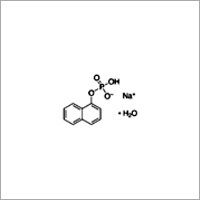
Tell us about your requirement

Price:
Quantity
Select Unit
- 50
- 100
- 200
- 250
- 500
- 1000+
Additional detail
Mobile number
Email

More Products in Biochemical & Reagents Category
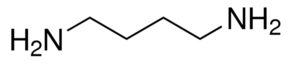
Putrescine (C4H12N2)
Price 100 INR
Minimum Order Quantity : 1 Kilograms
Chemical Name : Other, Putrescine
Molecular Weight : 88.15 Grams (g)
Molecular Formula : C4H12N2
Melting Point : 27.5 C (81.5 F; 300.6 K)

Propionic acid
Price 100 INR
Minimum Order Quantity : 1 Kilograms
Chemical Name : Other, Propionic acid
Molecular Weight : 74.08 Grams (g)
Molecular Formula : CH3CH2COOH
Melting Point : 21 C
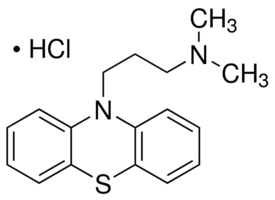
Promazine hydrochloride
Price 100 INR
Minimum Order Quantity : 1 Kilograms
Chemical Name : Other, Promazine hydrochloride
Molecular Weight : 320.9 g/mol Grams (g)
Molecular Formula : C17H21ClN2S
Melting Point : >223C (dec.)
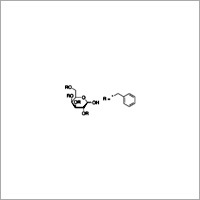
2,3,4,6-Tetra-O-benzyl-D- Galactose
Price 100 INR / Kilograms
Minimum Order Quantity : 1 Kilograms
Chemical Name : Other, TetraObenzylDgalactose
Molecular Weight : 540.65 Grams (g)
Molecular Formula : C34H36O6

 Send Inquiry
Our Products


Kesarkunj, Rm No. 9, Vasanji Lalji Road, Kandivali (W), Mumbai - 400067, Maharashtra, India

Mr Nilesh Shah
(Director)
Mobile :08071630254
 Send Inquiry
 Send SMS
 Call Me Free
Developed and Managed by Infocom Network Private Limited.
