
Call us now :08071630254
 Send Inquiry
 Send Inquiry
Acesulfame potassium impurity B
MOQ : 1 Kilograms
Acesulfame potassium impurity B Specification
- Usage
- In the U.S., it is used in such products as candies, baked goods, frozen desserts, beverages, dessert mixes and tabletop sweeteners. Acesulfame potassium, which is also known as acesulfame K, is often used in combination with other low-calorie sweeteners because it enhances the sweet taste of foods and beverages.
- Appearance
- White crystalline powder
- Purity
- 99%
- Molecular Weight
- 201.242 Grams (g)
- Molecular Formula
- C4H4KNO4S
Acesulfame potassium impurity B Trade Information
- Minimum Order Quantity
- 1 Kilograms
- Payment Terms
- Cash Advance (CA), Cash in Advance (CID)
- Supply Ability
- 500 Kilograms, , Per Month
- Delivery Time
- 2-8 Week
- Sample Available
- Yes
- Sample Policy
- Sample costs shipping and taxes has to be paid by the buyer
- Packaging Details
- Carton and Poly Bag.
- Main Export Market(s)
- Western Europe, Australia, North America, South America, Eastern Europe, Middle East, Africa, Asia, Central America
- Main Domestic Market
- All India
About Acesulfame potassium impurity B
Acesulfame potassium impurity B European Pharmacopoeia (EP) Reference Standard Synonym: 5-Chloro-6-methyl-1,2,3-oxathiazin-4(3H)-one 2,2-dioxideCAS Number 72827-08-8Empirical Formula (Hill Notation) C4H4ClNO4S Molecular Weight 197.60 elated Categories Analytical Standards, Analytical/Chromatography, EP Standards, EP Standards A - B, Pharmacopeia & Metrological Institutes Standards More... form neat format neatFAQs of Acesulfame potassium impurity B:
Q: What is the purity of Acesulfame potassium impurity B?
A: The purity of Acesulfame potassium impurity B is 99%.Q: What is the molecular weight of Acesulfame potassium impurity B?
A: The molecular weight of Acesulfame potassium impurity B is 201.242 grams (g).Q: What is the appearance of Acesulfame potassium impurity B?
A: Acesulfame potassium impurity B appears as a white crystalline powder.Q: What is the molecular formula of Acesulfame potassium impurity B?
A: The molecular formula of Acesulfame potassium impurity B is C4H4KNO4S.Q: In what types of products is Acesulfame potassium impurity B typically used?
A: In the U.S., Acesulfame potassium impurity B is used in products such as candies, baked goods, frozen desserts, beverages, dessert mixes, and tabletop sweeteners.Q: Why is Acesulfame potassium commonly combined with other sweeteners?
A: Acesulfame potassium is often combined with other low-calorie sweeteners because it enhances the sweet taste of foods and beverages.Q: Is Acesulfame potassium impurity B suitable for use in dessert mixes?
A: Yes, Acesulfame potassium impurity B is suitable for use in dessert mixes.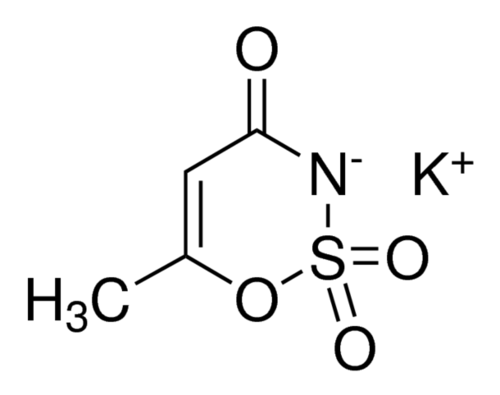
Tell us about your requirement

Price:
Quantity
Select Unit
- 50
- 100
- 200
- 250
- 500
- 1000+
Additional detail
Mobile number
Email

More Products in Analytical Grade Chemicals Category
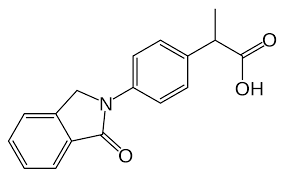
Indoprofen
Price 100 INR
Minimum Order Quantity : 1 Kilograms
Purity : 98%
Melting Point : 117 °C (243 °F)
Molecular Weight : 281.3 Grams (g)
Molecular Formula : C17H15NO3
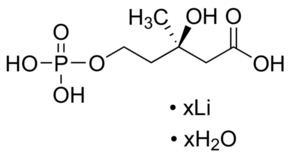
(R)-mevalonic Acid 5-phosphate Lithium Salt Hydrate
Price 100 INR / Kilograms
Minimum Order Quantity : 1 , , Kilograms
Purity : ≥93.0%
Melting Point : >300 C
Molecular Weight : 228.14 Grams (g)
Molecular Formula : C6H13O7P
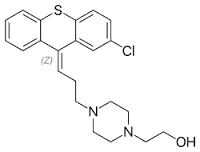
Zuclopenthixol for system suitability
Price 100 INR
Minimum Order Quantity : 1 Kilograms
Purity : 95%
Melting Point : 50°C
Molecular Weight : 555.2 Grams (g)
Molecular Formula : C32H43ClN2O2S
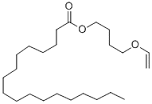
Butyl stearate
Price 100 INR
Minimum Order Quantity : 1 Kilograms
Purity : 97%
Melting Point : 27.00 °C. @ 760.00 mm Hg
Molecular Weight : 340.6
Molecular Formula : C22H44O2

 Send Inquiry
Our Products


Kesarkunj, Rm No. 9, Vasanji Lalji Road, Kandivali (W), Mumbai - 400067, Maharashtra, India

Mr Nilesh Shah
(Director)
Mobile :08071630254
 Send Inquiry
 Send SMS
Developed and Managed by Infocom Network Private Limited.
