
Call us now :08071630254
 Send Inquiry
 Send Inquiry
Ammonium Nitrogen Standard for IC
MOQ : 1 , , Kilograms
Ammonium Nitrogen Standard for IC Specification
- Molecular Weight
- 18.039 Grams (g)
- Molecular Formula
- NH3
- Purity
- 98%
- Melting Point
- (N2) 63.15 K (−210.00 °C, −346.00 °F)
- Usage
- Ammonia is the preferred nitrogen-containing nutrient for plant growth. Ammonia can be converted to nitrite (NO2 ) and nitrate (NO3) by bacteria, and then used by plants. Nitrate and ammonia are the most common forms of nitrogen in aquatic systems. Nitrate predominates in unpolluted waters.
Ammonium Nitrogen Standard for IC Trade Information
- Minimum Order Quantity
- 1 , , Kilograms
- Payment Terms
- Cash Advance (CA), Cash in Advance (CID)
- Supply Ability
- 500 Kilograms Per Month
- Delivery Time
- 3-4 Week
- Sample Available
- Yes
- Sample Policy
- Sample costs shipping and taxes has to be paid by the buyer
- Main Export Market(s)
- Western Europe, Australia, Eastern Europe, Middle East, Central America, Africa, South America, Asia, North America
- Main Domestic Market
- All India
About Ammonium Nitrogen Standard for IC
Ammonium Nitrogen Standard for IC1000mg/L N as NH4+ in water, TraceCERTgrade certified reference material TraceCERT concentration 1000mg/L N as NH4+ in water application(s) ion chromatography: suitable format single component solutionFAQs of Ammonium Nitrogen Standard for IC:
Q: What is the purity of the Ammonium Nitrogen Standard for IC?
A: The product has a purity of 98%.Q: What is the molecular formula of Ammonium Nitrogen Standard for IC?
A: The molecular formula is NH3.Q: What is the molecular weight of the product?
A: The molecular weight is 18.039 grams (g).Q: What is the melting point of Ammonium Nitrogen Standard for IC?
A: The melting point is (N2) 63.15 K (-210.00 C, -346.00 F).Q: How is ammonia significant for plant growth?
A: Ammonia is the preferred nitrogen-containing nutrient for plant growth. It can be converted to nitrite (NO2) and nitrate (NO3) by bacteria, which are then utilized by plants.Q: Which forms of nitrogen are commonly found in aquatic systems?
A: Nitrate and ammonia are the most common forms of nitrogen in aquatic systems, with nitrate predominating in unpolluted waters.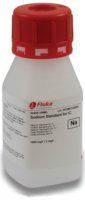
Tell us about your requirement

Price:
Quantity
Select Unit
- 50
- 100
- 200
- 250
- 500
- 1000+
Additional detail
Mobile number
Email

More Products in Analytical Grade Chemicals Category

Triclopyr
Price 100 INR
Minimum Order Quantity : 1 Kilograms
Usage : Triclopyr is used to control broadleaf weeds while leaving grasses and conifers unaffected or to control rust diseases on crops. Triclopyr is effective on woody plants and is used for brush control in rights of way and defoliation of wooded areas
Molecular Formula : C7H4Cl3NO3
Molecular Weight : 256.46 Grams (g)
Purity : 96%
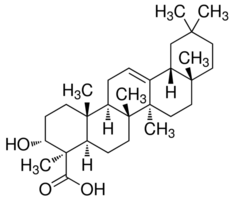
-Boswellic acid
Price 100 INR
Minimum Order Quantity : 1 Kilograms
Usage : Betaboswellic acid, ketobetaboswellic acid, and acetylketobetaboswellic acid (AKBA) have been indicated in apoptosis of cancer cells, in particular brain tumors and cells affected by leukemia or colon cancer. Acetylboswellic acids also exhibit antiinflammatory behaviour by inhibiting leukotriene synthesis ..
Molecular Formula : C32H48O5
Molecular Weight : 512.7 Grams (g)
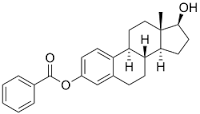
Estradiol benzoate
Price 100 INR
Minimum Order Quantity : 1 Kilograms
Usage : Aside from hormone therapy, estradiol benzoate is used in the treatment of gynecological disorders such as menstrual disorders, dysfunctional uterine bleeding, and breast engorgement. In addition, it is used as a form of highdose estrogen therapy in the palliative treatment of prostate cancer in men.
Molecular Formula : C25H28O3
Molecular Weight : 376.5 Grams (g)
Purity : 97%
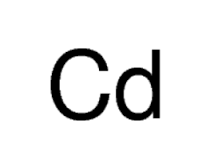
Cadmium Standard for ICP
Price 100 INR
Minimum Order Quantity : 1 Kilograms
Usage : Cadmium is a soft, malleable, ductile, bluishwhite metal, which is easily cut with a knife. It is an excellent electrical conductor and shows good resistance to corrosion and attack by chemicals. It is similar in many respects to zinc in its chemical properties.
Molecular Formula : Cd
Molecular Weight : 112.411 Grams (g)
Purity : 98%

 Send Inquiry
Our Products


Kesarkunj, Rm No. 9, Vasanji Lalji Road, Kandivali (W), Mumbai - 400067, Maharashtra, India

Mr Nilesh Shah
(Director)
Mobile :08071630254
 Send Inquiry
 Send SMS
Developed and Managed by Infocom Network Private Limited.
