
Call us now :08071630254
 Send Inquiry
 Send Inquiry
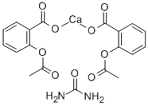
Carbasalate calcium - reference spectrum
Carbasalate calcium - reference spectrum Specification
- Physical Form
- Powder
- Structural Formula
- Refer to attached reference spectrum diagram
- Poisonous
- NO
- CAS No
- 5749-67-7
- Usage
- Commonly utilized in veterinary medicine as an analgesic antipyretic and anti-inflammatory agent
- Smell
- Odorless
- Properties
- Stable under normal conditions; decomposes at high temperatures
- Molecular Weight
- 398.38 g/mol
- Application
- Used as an anti-inflammatory and anti-coagulant in pharmaceutical products
- Purity
- Greater than 98%
- Grade
- Pharmaceutical grade
- Appearance
- White to off-white crystalline powder
- Taste
- Neutral
- Storage
- Store in a cool dry place away from moisture and direct sunlight
- HS Code
- 29182190
- Solubility
- Soluble in water and alcohol
- Shelf Life
- 2 years under recommended storage conditions
- Molecular Formula
- C18H14CaO8
- Shape
- Irregular crystalline
- EINECS No
- 227-261-5
- Ingredients
- Calcium acetylsalicylate
- Melting Point
- Decomposes before melting
- Ph Level
- Neutral to slightly alkaline
- Density
- 1.5 Gram per cubic centimeter(g/cm3)
About Carbasalate calcium - reference spectrum
Carbasalate calcium - reference spectrum is a premium pharmaceutical-grade compound widely utilized in veterinary medicine as an analgesic, antipyretic, and anti-inflammatory agent. Presented in an odorless, irregular crystalline powder, it appears white to off-white with a molecular weight of 398.38 g/mol and density of 1.5 g/cm. This stable compound, derived from calcium acetylsalicylate, decomposes under high temperatures and features a neutral to slightly alkaline pH level. Its solubility in both water and alcohol enhances its usability across applications. Due to its neutral taste and high purity (greater than 98%), this product plays a key role in anti-inflammatory and anti-coagulant pharmaceutical formulations. Carbasalate calcium is best stored in cool, dry locations away from moisture and direct sunlight for a shelf life of up to 2 years.
FAQs of Carbasalate calcium - reference spectrum:
Tell us about your requirement

Price:
Quantity
Select Unit
- 50
- 100
- 200
- 250
- 500
- 1000+
Additional detail
Mobile number
Email

More Products in Analytical Grade Chemicals Category
![Benzo[j]fluoranthene](https://cpimg.tistatic.com/03516849/b/4/Benzo-j-fluoranthene.png)
Benzo[j]fluoranthene
Molecular Weight : 252.31 g/mol
Melting Point : 163165 C
Molecular Formula : C20H12
Purity : Typically >95%
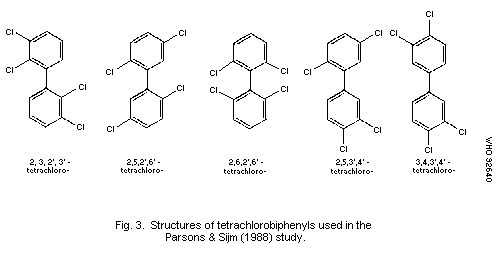
Aroclor 1221 - Sandy Loam
Price 100 INR / Kilograms
Minimum Order Quantity : 1 Kilograms
Molecular Weight : 326.4 Grams (g)
Molecular Formula : C12H5Cl5
Purity : 95%
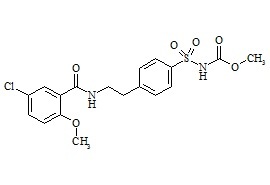
Glibenclamide impurity B
Price 100 INR
Minimum Order Quantity : 1 Kilograms
Molecular Weight : 494 Grams (g)
Melting Point : 169 to 170 °C (336 to 338 °F)
Purity : 97%

Triaziflam
Price 100 INR
Minimum Order Quantity : 1 Kilograms
Molecular Weight : 333.4 Grams (g)
Melting Point : 319321 °C.
Molecular Formula : C17H24FN5O
Purity : 98%

 Send Inquiry
Our Products


Kesarkunj, Rm No. 9, Vasanji Lalji Road, Kandivali (W), Mumbai - 400067, Maharashtra, India

Mr Nilesh Shah
(Director)
Mobile :08071630254
 Send Inquiry
 Send SMS
Developed and Managed by Infocom Network Private Limited.
