
Call us now :08071630254
 Send Inquiry
 Send Inquiry
D--Tocopherol succinate
MOQ : 1 Kilograms
D--Tocopherol succinate Specification
- Usage
- Alpha-tocopherol succinate is subsequently most commonly indicated for dietary supplementation in individuals who may demonstrate a genuine deficiency in vitamin E. Vitamin E itself is naturally found in various foods, added to others, or used in commercially available products as a dietary supplement.
- Molecular Formula
- C33H54O5
- Purity
- 9%
- Melting Point
- 76 °C
- Molecular Weight
- 530.8 Grams (g)
D--Tocopherol succinate Trade Information
- Minimum Order Quantity
- 1 Kilograms
- Payment Terms
- Cash in Advance (CID), Cash Advance (CA)
- Supply Ability
- 500 Kilograms, , Per Month
- Delivery Time
- 3-4 Week
- Sample Available
- Yes
- Sample Policy
- Sample costs shipping and taxes has to be paid by the buyer
- Main Export Market(s)
- Western Europe, Australia, Eastern Europe, Central America, Middle East, South America, Asia, North America, Africa
About D--Tocopherol succinate
D--Tocopherol succinateSynonym: Vitamin E succinateEmpirical Formula (Hill Notation): C33H54O5Molecular Weight: 530.78CAS Number: 4345-03-3grade analytical standard form neat feature standard type fat soluble vitamin packaging ampule of 100mg application(s) HPLC: suitable gas chromatography (GC): suitable format neat storage temp. 20CFAQs of D--Tocopherol succinate:
Q: What is the molecular formula of D--Tocopherol succinate?
A: The molecular formula of D--Tocopherol succinate is C33H54O5.Q: What is the molecular weight of D--Tocopherol succinate?
A: The molecular weight of D--Tocopherol succinate is 530.8 Grams (g).Q: What is the melting point of D--Tocopherol succinate?
A: The melting point of D--Tocopherol succinate is 76 C.Q: What is the purity level of D--Tocopherol succinate?
A: The purity of D--Tocopherol succinate is 9%.Q: What is the primary usage of D--Tocopherol succinate?
A: D--Tocopherol succinate is most commonly indicated for dietary supplementation in individuals who may have a genuine deficiency in vitamin E.Q: Where is vitamin E naturally found, and in what forms is it available?
A: Vitamin E is naturally found in various foods, added to others, or used in commercially available products as a dietary supplement.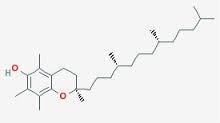
Tell us about your requirement

Price:
Quantity
Select Unit
- 50
- 100
- 200
- 250
- 500
- 1000+
Additional detail
Mobile number
Email

More Products in Analytical Grade Chemicals Category
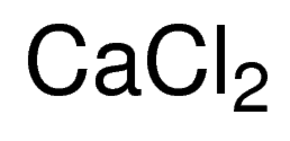
Gold Standard for AAS
Price 100 INR
Minimum Order Quantity : 1 Kilograms
Molecular Formula : Au in HNO3
Purity : 99.99% (Metal basis)
Molecular Weight : 196.97 g/mol (for Au)
Appearance : Clear yellowish solution
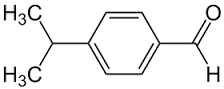
Cuminaldehyde
Price 100 INR
Minimum Order Quantity : 1 Kilograms
Molecular Formula : C10H12O
Purity : 97%
Molecular Weight : 148.205 Grams (g)
Appearance : Colorless oil
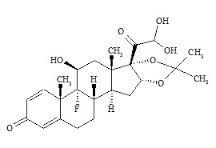
Triamcinolone impurity C
Price 100 INR
Minimum Order Quantity : 1 Kilograms
Molecular Formula : C24H31FO6
Purity : 98%
Molecular Weight : 434.5 Grams (g)
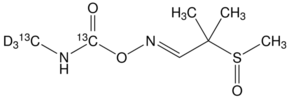
Aldicarb-(N-methyl-13C,d3, carbamoyl-13C) sulfoxide
Price 100 INR
Minimum Order Quantity : 1 Kilograms
Molecular Formula : C7H14N2O2S
Purity : 98%
Molecular Weight : 190.28
Appearance : colorless crystals

 Send Inquiry
Our Products


Kesarkunj, Rm No. 9, Vasanji Lalji Road, Kandivali (W), Mumbai - 400067, Maharashtra, India

Mr Nilesh Shah
(Director)
Mobile :08071630254
 Send Inquiry
 Send SMS
 Call Me Free
Developed and Managed by Infocom Network Private Limited.
