
Call us now :08071630254
 Send Inquiry
 Send Inquiry
Ginkgolide J
MOQ : 1 Kilograms
Ginkgolide J Specification
- Usage
- Potential applications. This class of molecules has been studied for its potential to act as a platelet-activating factor receptor antagonist. Ginkgolide B has been investigated for its potential to reducing migraine frequency. Ginkgolide B is also used in treatment for cerebrovascular disease.
- Molecular Formula
- C20H24O10
- Purity
- 95%
- Melting Point
- ~300C
- Molecular Weight
- 424.4 Grams (g)
Ginkgolide J Trade Information
- Minimum Order Quantity
- 1 Kilograms
- Payment Terms
- Cash in Advance (CID), Cash Advance (CA)
- Supply Ability
- 500 Kilograms, Per Month
- Delivery Time
- 3-4 Week
- Sample Available
- Yes
- Sample Policy
- Sample costs shipping and taxes has to be paid by the buyer
- Main Export Market(s)
- Australia, North America, South America, Eastern Europe, Western Europe, Middle East, Central America, Asia, Africa
- Main Domestic Market
- All India
About Ginkgolide J
Ginkgolide Janalytical standardCAS Number107438-79-9Empirical Formula (Hill Notation)C20H24O10Molecular Weight424.40PropertiesRelated CategoriesAdditional Standards,Alphabetical Index of Phytochemical Standards,Analytical Standards,Analytical/Chromatography,Cell Biology,Chromatography,E - H,Ginkgo,Ginkgo biloba,Isoprenoids,Life Sciences Standards,Natural Compounds,Nutrition Research,Phytochemical Standards,Phytochemical Standards by Plant Genus,Phytochemicals by Plant (Food/Spice/Herb)grade analytical standardassay 90% (HPLC)form neatshelf life limited shelf life, expiry date on the labelapplication(s) HPLC: suitablegas chromatography (GC): suitableformat neatFAQs of Ginkgolide J:
Q: What is the molecular formula of Ginkgolide J?
A: The molecular formula of Ginkgolide J is C20H24O10.Q: What is the purity level of Ginkgolide J?
A: Ginkgolide J has a purity level of 95%.Q: What is the molecular weight of Ginkgolide J?
A: The molecular weight of Ginkgolide J is 424.4 grams (g).Q: What is the melting point of Ginkgolide J?
A: Ginkgolide J has a melting point of approximately 300C.Q: What are the potential applications of Ginkgolide J?
A: Ginkgolide J is studied for its potential to act as a platelet-activating factor receptor antagonist and may be useful in reducing migraine frequency and treating cerebrovascular disease.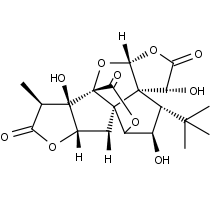
Tell us about your requirement

Price:
Quantity
Select Unit
- 50
- 100
- 200
- 250
- 500
- 1000+
Additional detail
Mobile number
Email

More Products in Analytical Grade Chemicals Category
Alkane standard solution C21-C40
Melting Point : Ranges based on chain length approximately 37C to 106C
Molecular Weight : Varies based on chain length range approx. 296 to 562 g/mol
Usage : Ideal for use in analytical chemistry laboratories for precise alkane determinations
Molecular Formula : C_nH_2n+2 (n=2140)
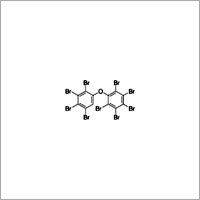
BDE No 206 solution
Melting Point : 190200C
Molecular Weight : 641.7 g/mol
Usage : Used as an additive in electronic equipment plastics and furniture for fireresistant properties
Molecular Formula : C12H4Br6O
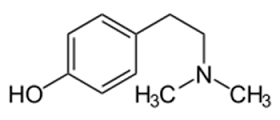
Hordenine
Price 100 INR
Minimum Order Quantity : 1 Kilograms
Melting Point : 116 to 117 C (241 to 243 F; 389 to 390 K)
Molecular Weight : 165.23 Grams (g)
Usage : Hordenine can be used to measure beer consumption, as hordenine levels in the blood increase significantly following consumption. Forensic toxicology reports can use hordenine as a suitable measure for beer consumption [5].
Molecular Formula : C10H15NO
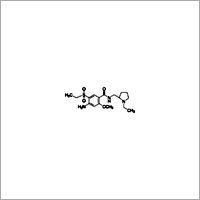
Amisulpride
Price 100 INR
Minimum Order Quantity : 1 , , Kilograms
Melting Point : 181182 C
Molecular Weight : 369.48 Grams (g)
Usage : Background: Amisulpiride is an atypical antipsychotic used extensively in Schizophrenia and related disorders. The current study explored the safety and tolerability of amisulpride in refractory patients with behavioral and psychological symptoms of dementia (BPSD), especially in agitation and/or aggression.
Molecular Formula : C17H27N3O4S

 Send Inquiry
Our Products


Kesarkunj, Rm No. 9, Vasanji Lalji Road, Kandivali (W), Mumbai - 400067, Maharashtra, India

Mr Nilesh Shah
(Director)
Mobile :08071630254
 Send Inquiry
 Send SMS
 Call Me Free
Developed and Managed by Infocom Network Private Limited.
