
Call us now :08071630254
 Send Inquiry
 Send Inquiry
Glafenine
MOQ : 1 Kilograms
Glafenine Specification
- Appearance
- Solid
- Molecular Weight
- 409.3 Grams (g)
- Molecular Formula
- C19H18Cl2N2O4
- Usage
- A non-steroidal anti-inflammatory drug, glafenine and its hydrochloride salt were used for the relief of all types of pain, but high incidence of anaphylactic reactions resulted in their withdrawal from the market. It has a role as a non-narcotic analgesic, a non-steroidal anti-inflammatory drug and an inhibitor.
- Purity
- 98%
- Grade
- Analytical standard
Glafenine Trade Information
- Minimum Order Quantity
- 1 Kilograms
- Payment Terms
- Cash Advance (CA), Cash in Advance (CID)
- Supply Ability
- 500 Kilograms KG Per Month
- Delivery Time
- 2-8 Week
- Sample Available
- Yes
- Sample Policy
- Sample costs shipping and taxes has to be paid by the buyer
- Packaging Details
- Carton and Poly Bag.
- Main Export Market(s)
- Australia, North America, Eastern Europe, Middle East, Africa, Western Europe, Central America, South America, Asia
- Main Domestic Market
- All India
About Glafenine
Glafenineanalytical standardSynonym: 1-GlycerylN-(7-chloro-4-quinolyl)anthranilateCAS Number3820-67-5Empirical Formula (Hill Notation)C19H17ClN2O4Molecular Weight372.80PropertiesRelated CategoriesAdditional Drugs,Additional Standards,Analytical Standards,Analytical/Chromatography,Chromatography,Drugs & Metabolites,Forensic and Veterinary Standards,Neat Compounds,Pharmaceuticals, Illicit Drugs & Alcoholgrade analytical standardInChI Key GWOFUCIGLDBNKM-UHFFFAOYSA-Nform neatapplication(s) HPLC: suitablegas chromatography (GC): suitableformat neatFAQs of Glafenine:
Q: What is the purity level of Glafenine?
A: Glafenine has a purity level of 98%.Q: What is the molecular formula of Glafenine?
A: The molecular formula of Glafenine is C19H18Cl2N2O4.Q: What is the molecular weight of Glafenine?
A: The molecular weight of Glafenine is 409.3 grams (g).Q: What is the appearance of Glafenine?
A: Glafenine appears as a solid.Q: What is the usage of Glafenine?
A: Glafenine was used as a non-steroidal anti-inflammatory drug for the relief of all types of pain. However, it was withdrawn from the market due to a high incidence of anaphylactic reactions.Q: What grade is Glafenine categorized under?
A: Glafenine is categorized under the Analytical standard grade.Q: What roles does Glafenine have in pharmacology?
A: Glafenine has roles as a non-narcotic analgesic, a non-steroidal anti-inflammatory drug, and an inhibitor.
Tell us about your requirement

Price:
Quantity
Select Unit
- 50
- 100
- 200
- 250
- 500
- 1000+
Additional detail
Mobile number
Email

More Products in Analytical Grade Chemicals Category

Trietazine
Price 100 INR
Minimum Order Quantity : 1 Kilograms
Purity : 98%
Molecular Weight : 229.7098 Grams (g)
Molecular Formula : C9H16ClN5
Melting Point : 100101°C
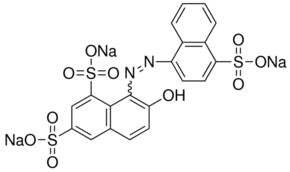
Ponceau 4R
Price 100 INR
Minimum Order Quantity : 1 Kilograms
Purity : 80%
Molecular Weight : 604.4766 Grams (g)
Molecular Formula : C20H11N2Na3O10S3
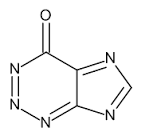
Dacarbazine impurity A
Price 100 INR
Minimum Order Quantity : 1 Kilograms
Purity : 95%
Molecular Weight : 182.18 Grams (g)
Molecular Formula : C6H10N6O
Melting Point : (250°C).
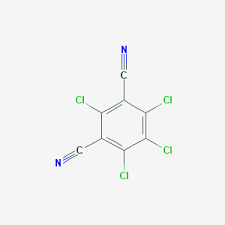
Chlorothalonil solution
Price 100 INR
Minimum Order Quantity : 1 Kilograms
Purity : 99%
Molecular Weight : 265.91 Grams (g)
Molecular Formula : C8Cl4N2
Melting Point : 250 °C

 Send Inquiry
Our Products


Kesarkunj, Rm No. 9, Vasanji Lalji Road, Kandivali (W), Mumbai - 400067, Maharashtra, India

Mr Nilesh Shah
(Director)
Mobile :08071630254
 Send Inquiry
 Send SMS
 Call Me Free
Developed and Managed by Infocom Network Private Limited.
