
Call us now :08071630254
 Send Inquiry
 Send Inquiry
Glass beads - particle size distribution
Glass beads - particle size distribution Specification
- EINECS No
- 231-545-4
- Shape
- Spherical
- Solubility
- Insoluble in water
- Molecular Formula
- SiO2
- Appearance
- Transparent to translucent smooth spherical particles
- Molecular Weight
- 60.08 g/mol
- Purity
- 99.5% or higher
- Poisonous
- NO
- Ph Level
- Neutral
- Properties
- High hardness thermal resistance chemical stability non-reactive
- HS Code
- 7002.10.10
- Melting Point
- ~1700°C
- Grade
- Industrial grade
- CAS No
- 7631-86-9
- Ingredients
- Primarily silica (SiO2) with trace impurities
- Refractive Rate
- 1.5
- Storage
- Store in a dry well-ventilated area.
- Usage
- Used as abrasive media reflective material or filler in various industrial processes.
- Smell
- Odorless
- Structural Formula
- N/A (amorphous silica structure)
- Physical Form
- Beads or spherical particles
- Shelf Life
- Indefinite under appropriate storage conditions
- Density
- 2.5 Gram per cubic centimeter(g/cm3)
- Application
- Surface finishing road marking reflective paints sandblasting shot peening
About Glass beads - particle size distribution
Glass beads - particle size distributionPropertiesRelated CategoriesAnalytical Standards,Analytical/Chromatography,NIST Standards,Pharmacopeia & Metrological Institutes Standardspackaging pkg of 28gFAQs of Glass beads - particle size distribution:
Q: What is the primary ingredient of Glass Beads and its purity level?
A: The primary ingredient of Glass Beads is silica (SiO2) with trace impurities, and its purity is 99.5% or higher.Q: What are the applications of Glass Beads?
A: Glass Beads are used for surface finishing in road marking reflective paints, sandblasting, shot peening, and as an abrasive media, reflective material, or filler in various industrial processes.Q: What is the density and molecular weight of Glass Beads?
A: The density of Glass Beads is 2.5 grams per cubic centimeter (g/cm3), and the molecular weight is 60.08 g/mol.Q: Are Glass Beads soluble in water and do they have any odor?
A: Glass Beads are insoluble in water and odorless.Q: What storage conditions are recommended for Glass Beads?
A: Glass Beads should be stored in a dry, well-ventilated area to ensure their quality and indefinite shelf life.Q: What is the melting point and refractive index of Glass Beads?
A: Glass Beads have a melting point of approximately 1700C and a refractive index of 1.5.Q: What unique properties make Glass Beads suitable for industrial applications?
A: Glass Beads are highly durable due to their high hardness, thermal resistance, chemical stability, and non-reactive nature.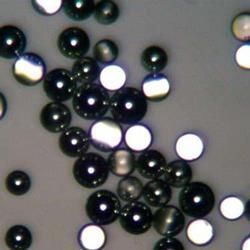
Tell us about your requirement

Price:
Quantity
Select Unit
- 50
- 100
- 200
- 250
- 500
- 1000+
Additional detail
Mobile number
Email

More Products in Analytical Grade Chemicals Category
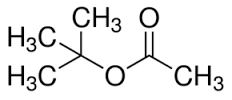
tert-Butyl acetate
Price 100 INR
Minimum Order Quantity : 1 Kiloampere
Molecular Formula : C6H12O2
Appearance : Colorless liquid
Molecular Weight : 116.16 Grams (g)
Melting Point : 62.00 °C. @ 760.00 mm
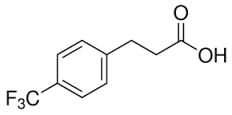
Hydrocinnamic acid
Price 100 INR
Minimum Order Quantity : 1 Kilograms
Molecular Formula : C9H10O2
Appearance : White crystalline solid; faint, sweet, somewhat balsmaic and coumarianlike odor
Molecular Weight : 150.1745 Grams (g)
Melting Point : 47 to 50 °C (117 to 122 °F; 320 to 323 K)
1-Pentanol
Price 100 INR
Minimum Order Quantity : 1 Kilograms
Molecular Formula : C5H12O
Appearance : colorless liquid
Molecular Weight : 88.150 Grams (g)
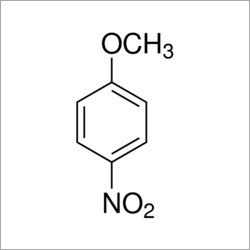
4-Nitroanisole
Price 100 INR
Minimum Order Quantity : 1 Kilograms
Molecular Formula : C7H7NO3
Appearance : light red or ambercolored liquid or crystals
Molecular Weight : 153.14 Grams (g)
Melting Point : 51.0°C to 53.0°C

 Send Inquiry
Our Products


Kesarkunj, Rm No. 9, Vasanji Lalji Road, Kandivali (W), Mumbai - 400067, Maharashtra, India

Mr Nilesh Shah
(Director)
Mobile :08071630254
 Send Inquiry
 Send SMS
Developed and Managed by Infocom Network Private Limited.
