
Call us now :08071630254
 Send Inquiry
 Send Inquiry
Halofuginone Hydrobromide
MOQ : 1 Kilograms
Halofuginone Hydrobromide Specification
- Appearance
- White to Off-White Solid
- Molecular Formula
- C16H18Br2ClN3O3
- Melting Point
- >217C (dec.)
- Purity
- 98%
- Molecular Weight
- 495.6 Grams (g)
Halofuginone Hydrobromide Trade Information
- Minimum Order Quantity
- 1 Kilograms
- Payment Terms
- Cash in Advance (CID), Cash Advance (CA)
- Supply Ability
- 500 Kilograms, KG Per Month
- Delivery Time
- 2-8 Week
- Sample Available
- Yes
- Sample Policy
- Sample costs shipping and taxes has to be paid by the buyer
- Packaging Details
- Carton and Poly Bag.
- Main Export Market(s)
- Australia, Eastern Europe, Middle East, Western Europe, Africa, Central America, South America, Asia, North America
- Main Domestic Market
- All India
About Halofuginone Hydrobromide
Halofuginone hydrobromideanalytical standardSynonym: trans-()-7-Bromo-6-chloro-3-[3-(3-hydroxy-2-piperidinyl)-2-oxopropyl]-4(3H)-quinazolinone monohydrobromideCAS Number64924-67-0Empirical Formula (Hill Notation)C16H17BrClN3O3 HBrMolecular Weight495.59PropertiesRelated CategoriesAnalytical Standards,Analytical/Chromatography,Antibiotics Standards,Pharmaceuticals, Illicit Drugs & Alcoholgrade analytical standardInChI Key SJUWEPZBTXEUMU-LDXVYITESA-Nform neatapplication(s) HPLC: suitablegas chromatography (GC): suitableformat neatFAQs of Halofuginone Hydrobromide:
Q: What is the molecular weight of Halofuginone Hydrobromide?
A: The molecular weight of Halofuginone Hydrobromide is 495.6 grams (g).Q: What is the purity of Halofuginone Hydrobromide?
A: Halofuginone Hydrobromide has a purity of 98%.Q: What is the molecular formula of Halofuginone Hydrobromide?
A: The molecular formula of Halofuginone Hydrobromide is C16H18Br2ClN3O3.Q: What is the appearance of Halofuginone Hydrobromide?
A: Halofuginone Hydrobromide appears as a white to off-white solid.Q: What is the melting point of Halofuginone Hydrobromide?
A: The melting point of Halofuginone Hydrobromide is greater than 217C (with decomposition).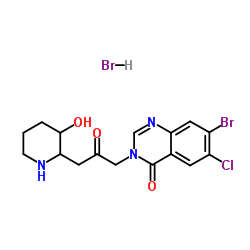
Tell us about your requirement

Price:
Quantity
Select Unit
- 50
- 100
- 200
- 250
- 500
- 1000+
Additional detail
Mobile number
Email

More Products in Analytical Grade Chemicals Category
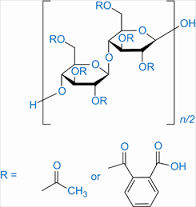
Cellulose Acetate Phthalate
Price 100 INR
Minimum Order Quantity : 1 Kilograms
Purity : 99%
Molecular Formula : C116H116O64
Melting Point : 199 202C
Usage : Cellulose acetate phthalate (CAP) is used as an enteric film coating material, or as a matrix binder for tablets and capsules. Such coatings resist prolonged contact with the strongly acidic gastric fluid, but dissolve in the mildly acidic or neutral intestinal environment.
1,8-Cineole
Price 100 INR
Minimum Order Quantity : 1 Kilograms
Purity : 98%
Molecular Formula : C10H18O
Melting Point : 1.5 C
Usage : Flavoring and fragrance. Because of its pleasant, spicy aroma and taste, eucalyptol is used in flavorings, fragrances, and cosmetics. Cineolebased eucalyptus oil is used as a flavouring at low levels (0.002%) in various products, including baked goods, confectionery, meat products, and beverages
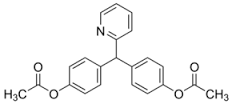
Bisacodyl for system suitability
Price 100 INR
Minimum Order Quantity : 1 Kilograms
Purity : 98%
Molecular Formula : C22H19NO4
Melting Point : (C), 138
Usage : It works by increasing activity of the intestines to cause a bowel movement. This medication comes in tablet form and is typically taken once a day as needed, with a full glass of water. Do not use bisacodyl within 1 hour after taking an antacid or milk. Do not chew or crush tablet(s).
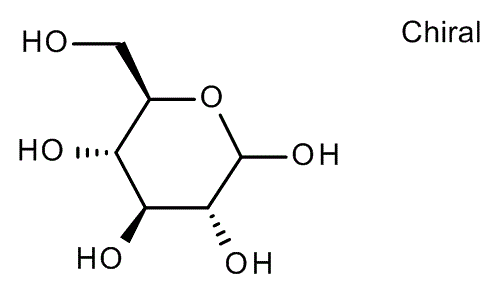
Glucose monohydrate
Price 100 INR
Minimum Order Quantity : 1 Kilograms
Purity : 99%
Molecular Formula : C6H14O7
Melting Point : 146 C
Usage : Dextrose Monohydrate. Dextrose Monhydrate serves as a sweetener, energy source, bulking agent, and cryoprotectant in an extensive variety of food applications including cakes, pastries, soups, sauces, ice cream, seasonings as well as others. Glucose or dextrose is the monomer of the starch chain (polymers).

 Send Inquiry
Our Products


Kesarkunj, Rm No. 9, Vasanji Lalji Road, Kandivali (W), Mumbai - 400067, Maharashtra, India

Mr Nilesh Shah
(Director)
Mobile :08071630254
 Send Inquiry
 Send SMS
 Call Me Free
Developed and Managed by Infocom Network Private Limited.
