
Call us now :08071630254
 Send Inquiry
 Send Inquiry
Hard coal (GCV, NCV, element content and trace elements)
MOQ : 1 Kilograms
Hard coal (GCV, NCV, element content and trace elements) Specification
- Application
- Power generation, metallurgy, cement manufacturing
- Solubility
- Insoluble in water
- Shape
- Lump/Granular
- Shelf Life
- Indefinite if properly stored
- Storage
- Store in dry, covered area
- Molecular Formula
- C
- Density
- 1.5 Gram per cubic centimeter(g/cm3)
- CAS No
- 15113-48-1
- Physical Form
- Solid
- Usage
- Combustion for energy production
- Properties
- High carbon content, energy-rich, black and brittle
- Ph Level
- Neutral to slightly acidic
- Grade
- Industrial Grade
- Melting Point
- Not defined (does not melt, but decomposes)
- Structural Formula
- Amorphous carbon structure
- Product Type
- Coal
- Molecular Weight
- Varies (primarily C=12.01 g/mol)
- Appearance
- Black, shiny to dull
- EINECS No
- 601-722-2
- Smell
- Characteristic coal odor
- Purity
- DEPENDS (Typically High Carbon Content)
- Poisonous
- NO
- HS Code
- 2701
- Ingredients
- Carbon, Hydrogen, Sulphur, Ash, Moisture, Volatile Matter
- Net Calorific Value (NCV)
- 6200-6750 Kcal/kg
- Moisture
- 2-4%
- Volatile Matter
- 24-28%
- Gross Calorific Value (GCV)
- 6500-7000 Kcal/kg
- Ash Content
- 12-15%
- Carbon (C)
- 74-78%
- Hydrogen (H)
- 4-5%
- Trace Elements
- Arsenic (As): <0.02%, Lead (Pb): <0.01%, Mercury (Hg): <0.001%, Cadmium (Cd): <0.0015%, Selenium (Se): <0.005%, Chromium (Cr): <0.01%
- Sulphur (S)
- 0.6-0.8%
Hard coal (GCV, NCV, element content and trace elements) Trade Information
- Minimum Order Quantity
- 1 Kilograms
- Payment Terms
- Cash in Advance (CID), Cash Advance (CA)
- Supply Ability
- 500 Kilograms KG Per Month
- Delivery Time
- 2-8 Days
- Sample Available
- Yes
- Sample Policy
- Sample costs shipping and taxes has to be paid by the buyer
- Packaging Details
- Carton and Poly Bag.
- Main Domestic Market
- All India
About Hard coal (GCV, NCV, element content and trace elements)
Hard coal (GCV, NCV, element content and trace elements)
| Related Categories | Additional Standards, Analytical Reagents, Analytical Standards, Analytical/Chromatography, Atomic Absorption Spectroscopy (AAS), |
| format | matrix material |
| storage temp. | 2-8C |
Highly Efficient Energy Source
Hard coal stands out due to its substantial Gross Calorific Value (GCV) ranging between 6500 and 7000 Kcal/kg, making it an ideal choice for power plants, metallurgical applications, and other energy-intensive industries. Its high carbon content ensures a reliable and sustained energy output when combusted.
Superior Industrial Grade Quality
With carbon levels at 7478% and ash content kept between 1215%, hard coal maintains a balance of purity and practical usability. Its composition allows for efficient energy production with relatively low emissions of sulphur and other trace elements, supporting compliance with environmental standards.
Safe Storage and Long Shelf Life
Storage of hard coal is straightforward: keep it dry and covered to maintain quality. If these guidelines are followed, this product can be preserved for an indefinite period, ensuring a consistent and economical supply for various industries.
FAQs of Hard coal (GCV, NCV, element content and trace elements):
Q: What are the primary applications of hard coal?
A: Hard coal is widely used for power generation, metallurgy, and cement manufacturing. Its high energy density and stable combustion properties make it a preferred fuel in thermal power plants and heavy industries requiring consistent heat output.Q: How should hard coal be stored to ensure quality?
A: It should be stored in a dry, covered area to prevent moisture uptake and maintain combustion efficiency. Proper storage prevents quality degradation and ensures the coal remains effective and safe for industrial use over time.Q: What benefits does hard coal offer compared to other fuels?
A: Hard coal delivers a high calorific value, reliable combustion, and comparatively low emissions of sulphur and hazardous trace elements. Its consistency in quality and indefinite shelf life add further advantages for large-scale energy and manufacturing sectors.Q: Where is this hard coal typically supplied from, and who can purchase it?
A: This industrial grade hard coal is supplied and traded in India, serving both local and international markets. Industrial users such as power stations, metallurgical plants, and cement factories often source this coal for bulk use.Q: What is the process for energy production using hard coal?
A: Hard coal is combusted in boilers or furnaces, where its high carbon and volatile matter content enables efficient burning, generating thermal energy for electricity generation or industrial heating purposes.Q: Is hard coal hazardous or poisonous to handle?
A: No, hard coal is not classified as poisonous. However, standard safety precautions should be followed to avoid dust inhalation and ensure safe handling during storage and usage.
Tell us about your requirement

Price:
Quantity
Select Unit
- 50
- 100
- 200
- 250
- 500
- 1000+
Additional detail
Mobile number
Email

More Products in Analytical Grade Chemicals Category
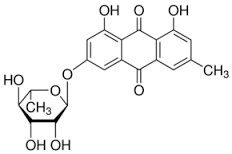
Frangulin A
Price 100 INR
Minimum Order Quantity : 1 Kilograms
Molecular Formula : C21H20O9
Molecular Weight : 416.4 Grams (g)
Appearance : White powder

Vinpocetine
Price 100 INR
Minimum Order Quantity : 1 Kilograms
Molecular Formula : C22H26N2O2
Molecular Weight : 350.462 Grams (g)
Appearance : White or slightly yellow, crystalline powder.
Melting Point : 147153 C dec.
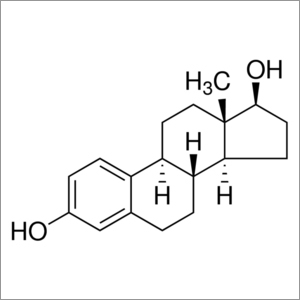
17-Estradiol solution
Price 100 INR / Kilograms
Minimum Order Quantity : 1 Kilograms
Molecular Formula : C18H24O2
Molecular Weight : 272.38 Grams (g)
Melting Point : 151152
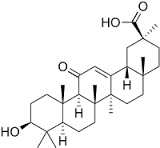
Enoxolone
Price 100 INR
Minimum Order Quantity : 1 Kilograms
Molecular Formula : C30H46O4
Molecular Weight : 470.6838 Grams (g)
Appearance : White to off white powder
Melting Point : 296C

 Send Inquiry
Our Products


Kesarkunj, Rm No. 9, Vasanji Lalji Road, Kandivali (W), Mumbai - 400067, Maharashtra, India

Mr Nilesh Shah
(Director)
Mobile :08071630254
 Send Inquiry
 Send SMS
Developed and Managed by Infocom Network Private Limited.
