
Call us now :08071630254
 Send Inquiry
 Send Inquiry
Hay powder (elements)
Hay powder (elements) Specification
- Usage
- Used as a nutritional supplement for livestock or as a natural soil enhancer
- HS Code
- 121490
- Application
- Animal feed composting and soil amendment
- Poisonous
- NO
- Ingredients
- Dried grass and other hay materials
- Shelf Life
- 12 months when properly stored
- Taste
- Neutral earthy
- Properties
- High fiber content with some essential nutrients
- Physical Form
- Powder
- Density
- 0.56 Gram per cubic centimeter(g/cm3)
- Ph Level
- 6.0-7.0
- Storage
- Store in a cool dry place away from moisture
- Grade
- Feed grade
- Smell
- Mild grassy
- Appearance
- Fine light brown powder
- Shape
- Powder
- Solubility
- Insoluble in water
About Hay powder (elements)
Hay powder (elements)PropertiesRelated CategoriesAdditional Standards,Analytical Reagents,Analytical Standards,Analytical/Chromatography,Application CRMs,Atomic Absorption Spectroscopy (AAS),Certified Reference Materials (CRMs),Environmental CRM,Environmental Matrix CRMs (IRMM),Food & Beverage Standards,Food and Cosmetic Component Standards,Matrix CRMs,Matrix CRMs (Certified Reference Materials),Matrix Standards with Certified Elemental Content,Pharmacopeia & Metrological Institutes Standards,Plant Matrix CRMs (Element content),Plant, Animal & Human,Reference Materials from the European Commissions Joint Research Centre (formerly IRMM),Spectroscopy,Trigger for Food Allergies & Intolerancesformat matrix materialFAQs of Hay powder (elements):
Q: What is the shelf life of Hay Powder (Elements)?
A: Hay Powder (Elements) has a shelf life of 12 months when properly stored in a cool, dry place away from moisture.Q: Is Hay Powder (Elements) safe for use in animal feed or soil amendment?
A: Yes, Hay Powder (Elements) is not poisonous and is safe for use as a nutritional supplement for livestock or as a natural soil enhancer.Q: What are the main ingredients in Hay Powder (Elements)?
A: The main ingredients are dried grass and other hay materials.Q: What is the physical appearance and smell of Hay Powder (Elements)?
A: Hay Powder (Elements) is a fine light brown powder with a mild grassy smell.Q: What is the pH level and density of Hay Powder (Elements)?
A: The pH level is between 6.0-7.0, and the density is 0.56 grams per cubic centimeter (g/cm).Q: Is Hay Powder (Elements) soluble in water?
A: No, Hay Powder (Elements) is insoluble in water.Q: What applications can Hay Powder (Elements) be used for?
A: It can be used for animal feed composting, soil amendment, and as a nutritional supplement for livestock.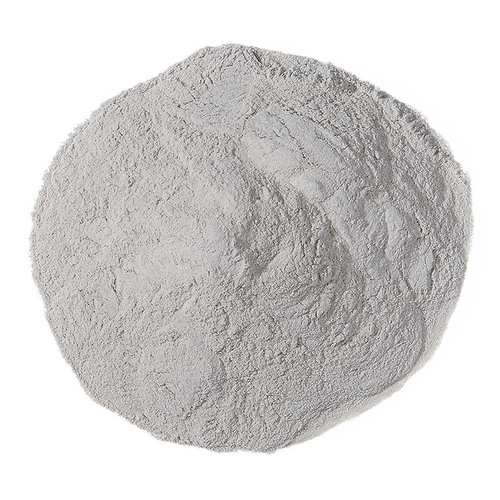
Tell us about your requirement

Price:
Quantity
Select Unit
- 50
- 100
- 200
- 250
- 500
- 1000+
Additional detail
Mobile number
Email

More Products in Analytical Grade Chemicals Category
Transition metal mix 3 for ICP
Price 100 INR
Minimum Order Quantity : 1 , , Kilograms
Molecular Weight : Mixture (component dependent)
Molecular Formula : Mixture (component dependent)
Usage : Used as a multielement standard for analytical calibration in laboratory instruments
Appearance : Clear liquid
EPA VOC Mix 4
Molecular Weight : Variable (depends on components)
Molecular Formula : Mixture (various volatile organic compounds)
Usage : Primarily used in the calibration of gas chromatography systems for the analysis of volatile organic compounds (VOCs)
Appearance : Clear liquid
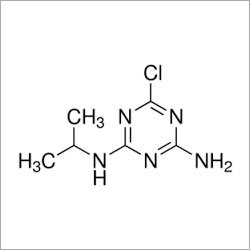
Atrazine-Desethyl Solution
Price 100 INR
Minimum Order Quantity : 1 Kilograms
Molecular Weight : 187.631 Grams (g)
Molecular Formula : C6H11N5O
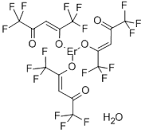
Erbium Standard for AAS
Price 100 INR
Minimum Order Quantity : 1 Kilograms
Molecular Weight : 167.26 Grams (g)
Molecular Formula : Er
Usage : Erbium isotopes are good neutron absorbers and are used in nuclear reactor control rods. The oxide erbia is used as a pink coloring agent in glazes and glasses. Erbium is used in alloys especially with vanadium to decrease the hardness of metals. It is also used in amplifiers and lasers.
Appearance : Silvery white

 Send Inquiry
Our Products


Kesarkunj, Rm No. 9, Vasanji Lalji Road, Kandivali (W), Mumbai - 400067, Maharashtra, India

Mr Nilesh Shah
(Director)
Mobile :08071630254
 Send Inquiry
 Send SMS
Developed and Managed by Infocom Network Private Limited.
