
Call us now :08071630254
 Send Inquiry
 Send Inquiry
Infant/adult nutritional formula
Infant/adult nutritional formula Specification
- Ingredients
- Lactose whey protein vegetable oils vitamins minerals emulsifiers
- Appearance
- Fine uniform powder
- Melting Point
- 202 °C (lactose anhydrous reference)
- Taste
- Mild and creamy
- Properties
- Rich in essential vitamins minerals and proteins; lactose-based carbohydrate source
- Molecular Formula
- C12H22O11 (primary carbohydrate: lactose)
- Purity
- High purity; complies with international food safety standards
- Shape
- N/A (powder form)
- Molecular Weight
- 342.30 g/mol (for lactose as an example)
- HS Code
- 190110 (Food preparations for infant use retail-packed)
- Smell
- Neutral or light dairy aroma
- Density
- 1.2 Gram per cubic centimeter(g/cm3)
- Application
- Infant and adult nutrition dietary supplementation
- Physical Form
- Powder
- Refractive Rate
- Not applicable (solid powder form)
- Shelf Life
- 24 months if stored under recommended conditions
- Storage
- Store in a cool dry place away from direct sunlight
- CAS No
- N/A (composite formula)
- Ph Level
- 6.5-7.0
- Poisonous
- NO
- Solubility
- Highly soluble in water
- Structural Formula
- N/A (composite formula with multiple nutrients)
- Grade
- Food grade
- EINECS No
- N/A (composite product)
- Usage
- Used as a complete or supplementary nutritional formula for infants and adults
About Infant/adult nutritional formula
Infant/adult nutritional formulaPropertiesRelated CategoriesAnalytical Standards,Analytical/Chromatography,NIST Standards,Pharmacopeia & Metrological Institutes Standardspackaging pkg of 10 pouches x 10 geaFAQs of Infant/adult nutritional formula:
Q: What are the key ingredients of the Infant/Adult Nutritional Formula?
A: The key ingredients include lactose, whey protein, vegetable oils, vitamins, minerals, and emulsifiers.Q: How should the Infant/Adult Nutritional Formula be stored?
A: It should be stored in a cool, dry place away from direct sunlight to ensure its shelf life and quality.Q: Is the Infant/Adult Nutritional Formula poisonous?
A: No, the formula is not poisonous and complies with international food safety standards.Q: What is the shelf life of the Infant/Adult Nutritional Formula?
A: The formula has a shelf life of 24 months if stored under recommended conditions.Q: Is the Infant/Adult Nutritional Formula soluble in water?
A: Yes, the formula is highly soluble in water, making it easy to prepare for consumption.
Tell us about your requirement

Price:
Quantity
Select Unit
- 50
- 100
- 200
- 250
- 500
- 1000+
Additional detail
Mobile number
Email

More Products in Analytical Grade Chemicals Category
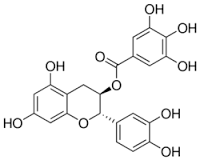
Catechin gallate solution
Molecular Formula : C22H18O10
Molecular Weight : 442.38 g/mol
Melting Point : 242245C (decomposes)
Appearance : Clear to slightly yellowish solution
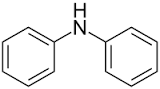
Diphenylamine
Price 100 INR
Minimum Order Quantity : 1 Kilograms
Molecular Formula : C14H17Br3F3N3O4
Molecular Weight : 577.93
Appearance : Pale, odorless, and solid crystalline powder.
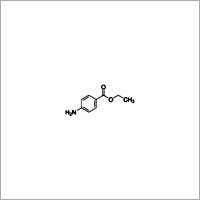
Benzocaine
Price 100 INR
Minimum Order Quantity : 1 Kilograms
Molecular Formula : C9H11NO2
Molecular Weight : 165.19 Grams (g)
Melting Point : 88–90 °C
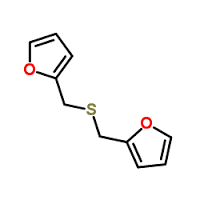
Furfuryl sulfide
Price 100 INR
Minimum Order Quantity : 1 , , Kilograms
Molecular Formula : C6H8OS
Molecular Weight : 128.19 Grams (g)
Melting Point : 135143 °C
Appearance : yellow clear liquid

 Send Inquiry
Our Products


Kesarkunj, Rm No. 9, Vasanji Lalji Road, Kandivali (W), Mumbai - 400067, Maharashtra, India

Mr Nilesh Shah
(Director)
Mobile :08071630254
 Send Inquiry
 Send SMS
 Call Me Free
Developed and Managed by Infocom Network Private Limited.
