
Call us now :08071630254
 Send Inquiry
 Send Inquiry
Trapidil
MOQ : 1 , , Kilograms
Trapidil Specification
- Molecular Formula
- C10H15N5
- Usage
- Trapidil, a platelet-derived growth factor antagonist, was originally developed as a vasodilator and anti-platelet agent and has been used to treat patients with ischemic coronary heart, liver, and kidney disease.
- Molecular Weight
- 205.26 Grams (g)
- Melting Point
- 147-156C.
- Purity
- 98%
Trapidil Trade Information
- Minimum Order Quantity
- 1 , , Kilograms
- Payment Terms
- Cash in Advance (CID), Cash Advance (CA)
- Supply Ability
- 500 Kilograms Per Month
- Delivery Time
- 3-4 Week
- Sample Available
- Yes
- Sample Policy
- Sample costs shipping and taxes has to be paid by the buyer
- Main Export Market(s)
- Australia, North America, Eastern Europe, Central America, Middle East, South America, Western Europe, Asia, Africa
- Main Domestic Market
- All India
About Trapidil
Trapidil is a platelet-derived growth factor antagonist designed as a powerful vasodilator and anti-platelet agent. With a melting point range of 147-156C and a molecular formula of C10H15N5, it boasts a high purity level of 98%, ensuring reliability and effectiveness. With a molecular weight of 205.26 grams, Trapidil is widely utilized in the management and treatment of ischemic coronary heart disease, liver ailments, and kidney conditions. Its potent mechanism of action helps in controlling platelet aggregation, contributing to improved vascular health and treatment outcomes. As a trusted solution, Trapidil is an optimal choice for various therapeutic applications involving cardiovascular and organ health management.
FAQs of Trapidil:
Q: What is the primary use of Trapidil?
A: Trapidil is primarily used as a vasodilator and anti-platelet agent for treating ischemic coronary heart disease, liver ailments, and kidney conditions.Q: What is the purity level of Trapidil?
A: Trapidil has a high purity level of 98%.Q: What is the molecular formula of Trapidil?
A: The molecular formula of Trapidil is C10H15N5.Q: What is the melting point range for Trapidil?
A: The melting point range of Trapidil is between 147-156C.Q: How is Trapidil effective in therapy?
A: Trapidil acts as a platelet-derived growth factor antagonist, helping to prevent platelet aggregation and improve vascular health, making it effective in treating cardiovascular and organ-related diseases.
Tell us about your requirement

Price:
Quantity
Select Unit
- 50
- 100
- 200
- 250
- 500
- 1000+
Additional detail
Mobile number
Email

More Products in Analytical Grade Chemicals Category
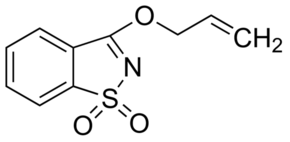
Probenazole
Price 100 INR
Minimum Order Quantity : 1 Kilograms
Molecular Formula : C10H9NO3S
Molecular Weight : 223.246 Grams (g)
Usage : A fungicide used to control rice blast. It has a role as a plant activator and an antifungal agrochemical. It is a 1,2benzisothiazole, an aromatic ether, a sulfone and a benzothiazole fungicide. It derives from a saccharin.
Melting Point : 138139C
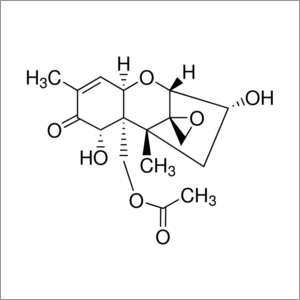
15 - Acetyldeoxynivalenol
Price 100 INR
Minimum Order Quantity : 1 Kilograms
Molecular Formula : C17H22O7
Molecular Weight : 338.4 Grams (g)
Usage : 15Acetyldeoxynivalenol may be used as an analytical reference standard for the determination of the analyte in: Pig urine and maize samples by high performance liquid chromatographymass spectrometry (HPLCMS). Milk samples by liquid chromatography combined with tandem mass spectrometry (LCMS/MS).
Melting Point : >130C
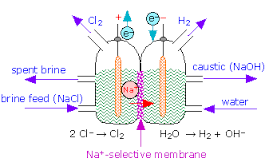
Chlorine in Water - Field PT
Price 100 INR
Minimum Order Quantity : 1 Kilograms
Molecular Formula : Cl
Molecular Weight : 35.453 u
Usage : Chlorine is commonly used as an antiseptic and is used to make drinking water safe and to treat swimming pools. Large amounts of chlorine are used in many industrial processes, such as in the production of paper products, plastics, dyes, textiles, medicines, antiseptics, insecticides, solvents and paints.
Melting Point : 101.5 C
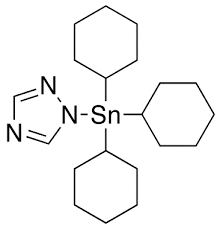
Azocyclotin
Price 100 INR
Minimum Order Quantity : 1 Kilograms
Molecular Formula : C20H35N3Sn
Molecular Weight : 436.22 Grams (g)
Usage : Azocyclotin is a contact poison, and it is notable for its long residual activity. It is used on pome and stone fruit, strawberries, vegetables and grapes. When used at the recommended concentrations, it displays no phytotoxicity.

 Send Inquiry
Our Products


Kesarkunj, Rm No. 9, Vasanji Lalji Road, Kandivali (W), Mumbai - 400067, Maharashtra, India

Mr Nilesh Shah
(Director)
Mobile :08071630254
 Send Inquiry
 Send SMS
Developed and Managed by Infocom Network Private Limited.
