
Call us now :08071630254
 Send Inquiry
 Send Inquiry
Tridemorph
MOQ : 1 Kilograms
Tridemorph Specification
- Molecular Formula
- C19H39NO
- Appearance
- Oily liquid with slight amine
- Usage
- Tridemorph is a fungicide used to control Erysiphe graminis. It was developed by BASF in the 1960s who use the trade name Calixin. The World Health Organization has categorized it as a Class II "moderately hazardous" pesticide because it is believed harmful if swallowed and can cause irritation to skin and eyes.
- Melting Point
- < 25 C
- Molecular Weight
- 297.527 Grams (g)
Tridemorph Trade Information
- Minimum Order Quantity
- 1 Kilograms
- Payment Terms
- Cash in Advance (CID), Cash Advance (CA)
- Supply Ability
- 500 Kilograms KG Per Month
- Delivery Time
- 2-8 Week
- Sample Available
- Yes
- Sample Policy
- Sample costs shipping and taxes has to be paid by the buyer
- Packaging Details
- Carton and Poly Bag.
- Main Export Market(s)
- Western Europe, Australia, Middle East, Central America, Africa, South America, Asia, Eastern Europe, North America
- Main Domestic Market
- All India
About Tridemorph
Tridemorph is an efficient fungicide designed to combat Erysiphe graminis, offering reliable protection for agricultural crops. Developed by BASF in the 1960s under the trade name Calixin, this oily liquid features a slight amine aroma and boasts a molecular formula of C19H39NO. Composed of a molecular weight of 297.527 grams, Tridemorph remains liquid at temperatures below 25C, making it highly adaptable for various environments. While effective in its application, it is categorized as a Class II "moderately hazardous" pesticide by the World Health Organization, highlighting the importance of safe handling to avoid irritation to skin and eyes or harm if ingested. Trusted for decades, Tridemorph is an essential tool for suppliers and traders focusing on plant disease control.
FAQs of Tridemorph:
Q: What type of fungicide is Tridemorph used for?
A: Tridemorph is used to control the fungal disease Erysiphe graminis, which commonly affects crops.Q: What is its melting point?
A: Tridemorph has a melting point of less than 25C, making it an oily liquid at standard temperatures.Q: Is Tridemorph safe to use?
A: Tridemorph is categorized by the World Health Organization as a Class II "moderately hazardous" pesticide, so it must be handled with care to avoid ingestion or skin and eye irritation.Q: What is Tridemorphs molecular weight?
A: The molecular weight of Tridemorph is 297.527 grams (g).Q: What does Tridemorph look like?
A: It appears as an oily liquid with a slight amine scent.
Tell us about your requirement

Price:
Quantity
Select Unit
- 50
- 100
- 200
- 250
- 500
- 1000+
Additional detail
Mobile number
Email

More Products in Analytical Grade Chemicals Category
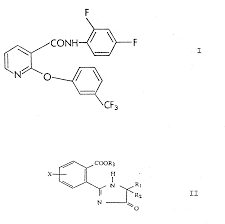
Acid Herbicide Mix
Price 100 INR
Minimum Order Quantity : 1 Kilograms
Molecular Formula : C6H3Cl2NO2
Molecular Weight : 192 Grams (g)
Purity : 98%
Melting Point : 140.5 C (284.9 F; 413.6 K)

Triclabendazole
Price 100 INR
Minimum Order Quantity : 1 Kilograms
Molecular Formula : C14H9Cl3N2OS
Molecular Weight : 359.649 Grams (g)
Melting Point : (C), 189191
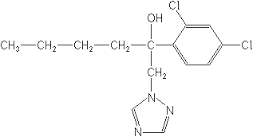
Hexaconazol
Price 100 INR
Minimum Order Quantity : 1 Kilograms
Molecular Formula : C14H17Cl2N3O
Molecular Weight : 314.21 Grams (g)
Purity : 97.86%
Melting Point : 111 C (232 F; 384 K)
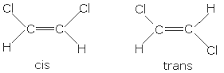
cis-1,2-Dichloroethene
Price 100 INR
Minimum Order Quantity : 1 Kilograms
Molecular Formula : C2H2Cl2
Molecular Weight : 96.9433 Grams (g)
Purity : 97%
Melting Point : Z: 81.47 C E: 49.44 C

 Send Inquiry
Our Products


Kesarkunj, Rm No. 9, Vasanji Lalji Road, Kandivali (W), Mumbai - 400067, Maharashtra, India

Mr Nilesh Shah
(Director)
Mobile :08071630254
 Send Inquiry
 Send SMS
 Call Me Free
Developed and Managed by Infocom Network Private Limited.
