
Call us now :08071630254
 Send Inquiry
 Send Inquiry
Tromethamine
MOQ : 1 Kilograms
Tromethamine Specification
- Molecular Weight
- 121.14 Grams (g)
- Melting Point
- 175 C
- Appearance
- White crystalline powder
- Usage
- Tromethamine affects the balance of water and electrolytes in the body. Tromethamine is used to treat metabolic acidosis (an electrolyte imbalance). Metabolic acidosis can have many causes. It often occurs after heart bypass surgery or cardiac arrest.
- Physical Form
- Powder
- Molecular Formula
- C4H11NO3
Tromethamine Trade Information
- Minimum Order Quantity
- 1 Kilograms
- Payment Terms
- Cash Advance (CA), Cash in Advance (CID)
- Supply Ability
- 500 Kilograms KG Per Month
- Delivery Time
- 2-8 Week
- Sample Available
- Yes
- Sample Policy
- Sample costs shipping and taxes has to be paid by the buyer
- Packaging Details
- Carton and Poly Bag.
- Main Export Market(s)
- Eastern Europe, Middle East, Africa, Western Europe, Central America, Australia, South America, Asia, North America
- Main Domestic Market
- All India
About Tromethamine
Tromethamine is a high-purity white crystalline powder with a molecular formula of C4H11NO3 and a molecular weight of 121.14 g/mol. It is widely utilized to restore the balance of electrolytes and water in the body, making it essential for treating metabolic acidosis caused by various factors, including cardiac arrest or heart bypass surgery. Exhibiting a melting point of 175 C, Tromethamine is highly stable under specific conditions, ensuring its effectiveness and reliability in medical applications. This compound is recognized for its ability to combat electrolyte imbalances, providing critical support in scenarios of acute metabolic acidosis. With its precise physical form as a powder, Tromethamine offers ease of handling and incorporation into treatments.
FAQs of Tromethamine:
Q: What is the primary use of Tromethamine?
A: Tromethamine is primarily used to treat metabolic acidosis, often caused by cardiac arrest or heart bypass surgery, by affecting the balance of water and electrolytes in the body.Q: What is the physical form and appearance of Tromethamine?
A: Tromethamine is supplied as a white crystalline powder.Q: What is the molecular weight of Tromethamine?
A: The molecular weight of Tromethamine is 121.14 grams per mole.Q: What is Tromethamines melting point?
A: Tromethamine has a melting point of 175 C.Q: What is the molecular formula of Tromethamine?
A: The molecular formula of Tromethamine is C4H11NO3.
Tell us about your requirement

Price:
Quantity
Select Unit
- 50
- 100
- 200
- 250
- 500
- 1000+
Additional detail
Mobile number
Email

More Products in Analytical Grade Chemicals Category
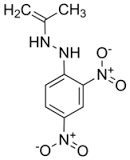
Carbonyl-DNPH Mix 2
Price 100 INR
Minimum Order Quantity : 1 , Kilograms
Purity : 99%
Molecular Formula : Varied (contains 2,4DNPH and carbonyl standards)
Molecular Weight : Varied
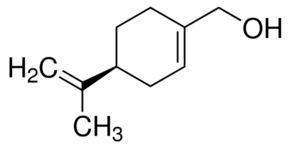
()-Perillyl alcohol
Price 100 INR
Minimum Order Quantity : 1 Kilograms
Purity : 99%
Molecular Formula : C10H16O
Molecular Weight : 152.237 Grams (g)
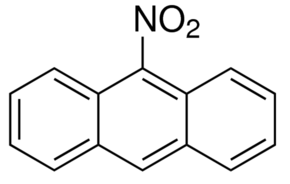
9-Nitroanthracene
Price 100 INR
Minimum Order Quantity : 1 Kilograms
Purity : 98%
Molecular Formula : C14H9NO2
Molecular Weight : 223.23 Grams (g)
Melting Point : 215217
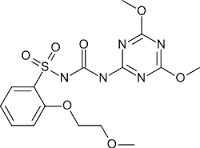
Cinosulfuron
Price 100 INR
Minimum Order Quantity : 1 Kilograms
Purity : 97%
Molecular Formula : C15H19N5O7S
Molecular Weight : 413.4 Grams (g)
Melting Point : 137140C

 Send Inquiry
Our Products


Kesarkunj, Rm No. 9, Vasanji Lalji Road, Kandivali (W), Mumbai - 400067, Maharashtra, India

Mr Nilesh Shah
(Director)
Mobile :08071630254
 Send Inquiry
 Send SMS
 Call Me Free
Developed and Managed by Infocom Network Private Limited.
