Call us now :08071630254
 Send Inquiry
 Send Inquiry
Ursodeoxycholic acid for system suitability
MOQ : 1 Kilograms
Ursodeoxycholic acid for system suitability Specification
- Usage
- Ursodeoxycholic acid is a bile acid which is produced naturally by the body. It works by reducing the amount of cholesterol released by your liver and by slowly dispersing the cholesterol. This breaks up the stones. Some ursodeoxycholic acid preparations can also help to treat primary biliary cholangitis.
- Melting Point
- 203 C (397 F)
- Molecular Formula
- C24H40O4
- Molecular Weight
- 392.56 Grams (g)
- Purity
- 90%
Ursodeoxycholic acid for system suitability Trade Information
- Minimum Order Quantity
- 1 Kilograms
- Payment Terms
- Cash in Advance (CID), Cash Advance (CA)
- Supply Ability
- 500 Kilograms Per Month
- Delivery Time
- 3-4 Week
- Sample Available
- Yes
- Sample Policy
- Sample costs shipping and taxes has to be paid by the buyer
- Main Export Market(s)
- Western Europe, Eastern Europe, Central America, Middle East, South America, Australia, Asia, North America, Africa
- Main Domestic Market
- All India
About Ursodeoxycholic acid for system suitability
Ursodeoxycholic acid for system suitability Synonym: 3,7-Dihydroxy-5-cholan-24-oic acid, 5-Cholan-24-oic acid-3,7-diol, 7-Hydroxylithocholic acid, UDCS, Ursodeoxycholic acid Empirical Formula (Hill Notation): C24H40O4Molecular Weight: 392.57CAS Number: 128-13-2FAQs of Ursodeoxycholic acid for system suitability:
Q: What is the primary use of Ursodeoxycholic acid?
A: Ursodeoxycholic acid is primarily used to reduce the amount of cholesterol released by the liver, disperse the cholesterol, and break up gallstones. It can also be used to treat primary biliary cholangitis in certain preparations.Q: What is the melting point of Ursodeoxycholic acid?
A: The melting point of Ursodeoxycholic acid is 203 C (397 F).Q: What is the molecular formula of Ursodeoxycholic acid?
A: The molecular formula of Ursodeoxycholic acid is C24H40O4.Q: What is the molecular weight of Ursodeoxycholic acid?
A: The molecular weight of Ursodeoxycholic acid is 392.56 grams (g).Q: What is the purity level of Ursodeoxycholic acid?
A: The purity level of Ursodeoxycholic acid is 90%.
Tell us about your requirement

Price:
Quantity
Select Unit
- 50
- 100
- 200
- 250
- 500
- 1000+
Additional detail
Mobile number
Email

More Products in Analytical Grade Chemicals Category
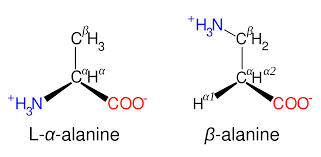
Amino acid standards for protein hydrolysates containing norleucine
Price 100 INR
Minimum Order Quantity : 1 , , Kilograms
Molecular Formula : Mixture of C2H5NO2, C3H7NO2, C4H9NO2, etc. (each amino acid)
Molecular Weight : Varies per component; mixture: not applicable
Melting Point : Not applicable (mixture)
Usage : For calibration and analytical use in protein hydrolysate analysis as external standards; not for human or animal consumption
Amyl salicylate
Price 100 INR
Minimum Order Quantity : 1 Kilograms
Molecular Formula : C8H8O3
Molecular Weight : 152.1494 Grams (g)
Melting Point : 9 C
Ampicillin
Price 100 INR
Minimum Order Quantity : 1 Kilograms
Molecular Formula : C16H19N3O4S
Molecular Weight : 349.406 Grams (g)
Usage : Ampicillin is a penicillin antibiotic that is used to treat or prevent many different types of infections such as bladder infections, pneumonia, gonorrhea, meningitis, or infections of the stomach or intestines. Ampicillin may also be used for purposes not listed in this medication guide
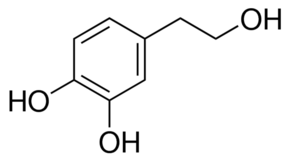
3-Hydroxytyrosol Solution
Price 100 INR
Minimum Order Quantity : 1 Kilograms
Molecular Formula : C8H10O3
Molecular Weight : 154.16 Grams (g)
Melting Point : 55C
Usage : Hydroxytyrosol is a phenylethanoid, a type of phenolic phytochemical with antioxidant properties in vitro The olives, leaves and olive pulp contain large amounts of hydroxytyrosol (compared to olive oil), most of which can be recovered to produce hydroxytyrosol extracts.

 Send Inquiry
Our Products


Kesarkunj, Rm No. 9, Vasanji Lalji Road, Kandivali (W), Mumbai - 400067, Maharashtra, India

Mr Nilesh Shah
(Director)
Mobile :08071630254
 Send Inquiry
 Send SMS
Developed and Managed by Infocom Network Private Limited.
