
Call us now :08071630254
 Send Inquiry
 Send Inquiry
Warfarin sodium
MOQ : 1 Kilograms
Warfarin sodium Specification
- Molecular Weight
- 308.333 Grams (g)
- Usage
- Warfarin sodium tablets are a vitamin K antagonist indicated for: Prophylaxis and treatment of venous thrombosis and its extension, pulmonary embolism (1) Prophylaxis and treatment of thromboembolic complications associated with atrial fibrillation and/or cardiac valve replacement (1)
- Molecular Formula
- C19H16O4
- Purity
- 98%
- Melting Point
- 162 C
Warfarin sodium Trade Information
- Minimum Order Quantity
- 1 Kilograms
- Payment Terms
- Cash in Advance (CID), Cash Advance (CA)
- Supply Ability
- 500 Kilograms, KG Per Month
- Delivery Time
- 2-8 Week
- Sample Available
- Yes
- Sample Policy
- Sample costs shipping and taxes has to be paid by the buyer
- Packaging Details
- Carton and Poly Bag.
- Main Export Market(s)
- Western Europe, Australia, Eastern Europe, Middle East, Central America, Africa, South America, Asia, North America
- Main Domestic Market
- All India
About Warfarin sodium
Warfarin Sodium is a high-purity anticoagulant with a molecular weight of 308.333 grams (g) and a molecular formula of C19H16O4. It boasts an impressive purity level of 98%, ensuring its reliability and effectiveness in medical applications. With a melting point of 162C, this product is stable and ideal for pharmaceutical formulations. Warfarin Sodium functions as a vitamin K antagonist and is primarily used in the prophylaxis and treatment of venous thrombosis, pulmonary embolism, and thromboembolic complications associated with atrial fibrillation or cardiac valve replacements. Professionals trust this compound for its critical role in preventing blood clots and promoting optimal cardiovascular health. Its consistency and efficiency make it a sought-after choice in the pharmaceutical industry.
FAQs of Warfarin sodium:
Q: What is Warfarin Sodium used for?
A: Warfarin Sodium is used for the prevention and treatment of venous thrombosis, pulmonary embolism, and thromboembolic complications associated with atrial fibrillation or cardiac valve replacements.Q: What is the purity level of Warfarin Sodium?
A: Warfarin Sodium has a purity of 98%, ensuring its reliability for medical applications.Q: What is the melting point of Warfarin Sodium?
A: The melting point of Warfarin Sodium is 162C.Q: What is the molecular formula of Warfarin Sodium?
A: The molecular formula of Warfarin Sodium is C19H16O4.Q: Can Warfarin Sodium be used for cardiac valve replacements?
A: Yes, Warfarin Sodium is effective in the prophylaxis and treatment of thromboembolic complications associated with cardiac valve replacements.
Tell us about your requirement

Price:
Quantity
Select Unit
- 50
- 100
- 200
- 250
- 500
- 1000+
Additional detail
Mobile number
Email

More Products in Analytical Grade Chemicals Category
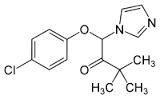
Climbazole
Price 100 INR
Minimum Order Quantity : 1 Kilograms
Purity : 98%
Molecular Formula : C15H17ClN2O2
Molecular Weight : 292.76 Grams (g)
Appearance : white powder or crystal

Trifluridine
Price 100 INR
Minimum Order Quantity : 1 Kilograms
Purity : 98%
Molecular Formula : C10H11F3N2O5
Molecular Weight : 296.2 Grams (g)
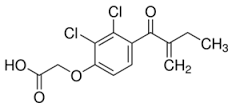
Ethacrynic acid
Price 100 INR
Minimum Order Quantity : 1 Kilograms
Purity : 97%
Molecular Formula : C13H12Cl2O4
Molecular Weight : 303.138 Grams (g)
Appearance : White to OffWhite Solid.
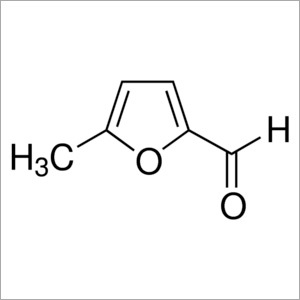
5-Methylfurfural
Price 100 INR
Minimum Order Quantity : 1 Kilograms
Purity : 99%
Molecular Formula : C6H6O2
Molecular Weight : 110.11 Grams (g)
Appearance : yellow to orange clear liquid

 Send Inquiry
Our Products


Kesarkunj, Rm No. 9, Vasanji Lalji Road, Kandivali (W), Mumbai - 400067, Maharashtra, India

Mr Nilesh Shah
(Director)
Mobile :08071630254
 Send Inquiry
 Send SMS
 Call Me Free
Developed and Managed by Infocom Network Private Limited.
