
Call us now :08071630254
 Send Inquiry
 Send Inquiry
Waste water (trace elements)
Waste water (trace elements) Specification
- Usage
- Testing for trace elements assessing environmental quality
- Physical Form
- Liquid
- Application
- Environmental monitoring industrial processes water treatment analysis
- Smell
- Odorous or neutral depending on origin
- Molecular Weight
- Varies depending on elements present
- Grade
- Environmental or industrial grade
- CAS No
- N/A (mixture)
- Ingredients
- Water with trace amounts of metals minerals and/or contaminants
- Appearance
- Clear cloudy or colored depending on contents
- HS Code
- 382200
- Density
- Gram per cubic centimeter(g/cm3)
- Storage
- Store in clean sealed containers; avoid contamination
- Poisonous
- Depends on trace element concentration; may include toxic elements
- Molecular Formula
- Composition varies based on trace elements
- Properties
- Contains trace metals organics and other elements
- Shape
- N/A (liquid)
- Purity
- Depends on the level of contamination
- EINECS No
- N/A (mixture)
- Structural Formula
- N/A (complex mixture)
- Shelf Life
- Variable; depends on storage conditions and sample integrity
- Ph Level
- Typically ranges from 6.5 to 8.5
- Solubility
- Trace elements dissolved in water
- Refractive Rate
- Varies based on water density and impurities
About Waste water (trace elements)
Waste Water (Trace Elements) is a specialized environmental and industrial-grade liquid composed of water with dissolved trace metals, organics, and other elements. Its appearance varies from clear, cloudy, to colored, reflecting its content and origin, while its odor may be neutral or odorous. The physical form is liquid, with trace elements potentially including toxic components depending on their concentration. With a pH range of 6.5 to 8.5, its properties make it suitable for applications such as environmental monitoring, industrial process evaluation, water treatment, and trace element analysis. Purity depends on the level of contamination, while solubility highlights the dissolved trace elements within the liquid. Storage requires clean, sealed containers to protect integrity, and shelf life depends upon these conditions. Its molecular and structural compositions are highly variable and complex.
FAQs of Waste water (trace elements):
Q: What are the primary applications of Waste Water (Trace Elements)?
A: Waste Water (Trace Elements) is used for environmental monitoring, industrial process evaluation, water treatment, and trace element analysis.Q: How should the product be stored?
A: It should be stored in clean, sealed containers to avoid contamination and maintain sample integrity.Q: Is this product toxic?
A: Toxicity depends on the concentration of trace elements, which may include harmful components.Q: What is the typical pH range of the product?
A: The typical pH range of Waste Water (Trace Elements) is between 6.5 and 8.5.Q: What does the appearance of the product indicate?
A: The appearance, whether clear, cloudy, or colored, provides insights into the contents and origin of the sample.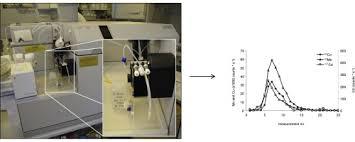
Tell us about your requirement

Price:
Quantity
Select Unit
- 50
- 100
- 200
- 250
- 500
- 1000+
Additional detail
Mobile number
Email

More Products in Analytical Grade Chemicals Category

Tyrosine
Price 100 INR
Minimum Order Quantity : 1 Kilograms
Molecular Formula : C9H11NO3
Molecular Weight : 181.19 Grams (g)
Melting Point : 343 °C
Purity : 99%
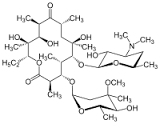
Erythromycin
Price 100 INR / Kilograms
Minimum Order Quantity : 1 Kilograms
Molecular Formula : C37H67NO13
Molecular Weight : 733.93 Grams (g)
Melting Point : 190193 °C
Purity : 95%
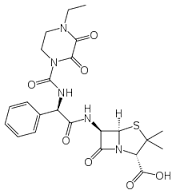
Piperacillin
Price 100 INR
Minimum Order Quantity : 1 Kilograms
Molecular Formula : C23H26N5NaO7S
Molecular Weight : 517.6 Grams (g)
Melting Point : 155°C (311°F)
Purity : 89%
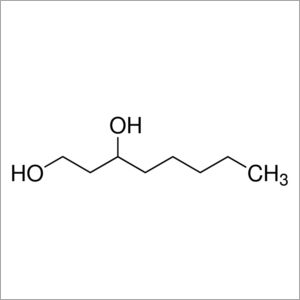
1,3-Octanediol
Price 100 INR
Minimum Order Quantity : 1 Kilograms
Molecular Formula : C8H18O2
Molecular Weight : 146.227 Grams (g)
Melting Point : 57 to 61 °C (135 to 142 °F; 330 to 334 K)

 Send Inquiry
Our Products


Kesarkunj, Rm No. 9, Vasanji Lalji Road, Kandivali (W), Mumbai - 400067, Maharashtra, India

Mr Nilesh Shah
(Director)
Mobile :08071630254
 Send Inquiry
 Send SMS
Developed and Managed by Infocom Network Private Limited.
