
Call us now :08071630254
 Send Inquiry
 Send Inquiry
Aqualon sodium carboxymethylcellulose Chemistry: Cellulosics
Price 100 INR/ Piece
MOQ : 1 Piece
Aqualon sodium carboxymethylcellulose Chemistry: Cellulosics Specification
- Molecular Formula
- C6H7O2(OH)2OCH2COONa
- Shelf Life
- 24 months
- Physical State
- Solid
- Molecular Weight
- Varies (dependent on viscosity grade)
- Size
- 25 kg
- Usage
- Used in food, pharmaceuticals, personal care, and industry
- Ph Level
- 6.08.5 (1% solution)
- CAS No
- 9004-32-4
- Packaging Type
- Bag
- Density
- 0.9 Gram per cubic centimeter(g/cm3)
- Purity
- >99%
- Storage Instructions
- Store in cool, dry place
- Melting Point
- Decomposes before melting
- Grade
- Technical Grade
- Type
- Cellulosic polymer
- Application
- Thickener, stabilizer, binder, film-former
- Appearance
- White to off-white powder
- Purity(%)
- >99%
- Ash Content
- Max 10%
- Biodegradability
- Biodegradable
- Main Functional Group
- Carboxymethyl group
- Viscosity (2% Solution)
- Varies depending on grade, typically 400-8000 mPas
- Heavy Metals
- < 20 ppm
- Toxicity
- Non-toxic
- pH Stability Range
- Stable within pH 4 - 10
- Odor
- Odorless
- Moisture Content
- Max 10%
- Solubility in Water
- Soluble
Aqualon sodium carboxymethylcellulose Chemistry: Cellulosics Trade Information
- Minimum Order Quantity
- 1 Piece
- Payment Terms
- Cash in Advance (CID), Cash Advance (CA)
- Supply Ability
- 3 Pieces Per Week
- Main Export Market(s)
- Western Europe, Australia, Eastern Europe, Middle East, Central America, South America, Asia, North America, Africa
- Main Domestic Market
- All India
About Aqualon sodium carboxymethylcellulose Chemistry: Cellulosics
Aqualon sodium carboxymethylcellulose
Chemistry: Cellulosics
Aqualon sodium carboxymethylcellulose (CMC) is made by reacting sodium monochloroacetate with alkalicellulose under rigidly controlled conditions. The resultant anionic polymer is purified and dried. Purified CMC for personal care and cosmetic applications is typically sold at 99.5 percent minimum purity. In addition to thickening aqueous systems, CMC is used in personal care products for water binding, syneresis control and its ability to suspend pigments and active ingredients in solution. Aqualon CMC is an anionic, water-soluble polymer.
A variety of CMC grades are available, with varying degrees of substitution, viscosities and particle sizes. S-types provide smooth solutions, based on uniform substitution. O-types provide solubility and viscosity stability on storage in low pH media. Aqualon CMC grades designated P or PH are compliant with the monograph requirements of the National Formulary.
Ashland provides cellulose gum under the trade names Aqualon, Blanose and Bondwell depending on the region in which we serve you.
Versatile Thickening and Stabilizing Agent
Aqualon sodium carboxymethylcellulose is widely utilized for its thickening, stabilizing, and binding properties across multiple industries. Its solubility in water and stable performance within a broad pH range make it ideal for applications ranging from food and beverages to pharmaceuticals, cosmetics, and industrial products. The technical grade quality ensures consistency, safety, and ease of formulation.
Safe, Sustainable, and Biodegradable Choice
With a high purity level above 99% and a composition free from significant heavy metals, Aqualon sodium carboxymethylcellulose provides non-toxic performance. Its biodegradability aligns with sustainable practices in modern manufacturing, while the absence of odor and low impurities supports sensitive applications such as in food and personal care products.
FAQs of Aqualon sodium carboxymethylcellulose Chemistry: Cellulosics:
Q: How is Aqualon sodium carboxymethylcellulose typically used in various industries?
A: Aqualon sodium carboxymethylcellulose serves as a thickener, stabilizer, binder, and film-former in applications such as food production, pharmaceuticals, personal care products, and industrial processes. Its ability to dissolve in water and modify viscosity makes it valuable for formulating gels, suspensions, coatings, and emulsions.Q: What are the main benefits of using Aqualon sodium carboxymethylcellulose in formulations?
A: Key benefits include its non-toxic and odorless nature, biodegradability, wide pH stability (pH 410), and high purity (>99%). It helps achieve desired viscosity and stability, improves texture and consistency in products, and can be used safely in consumer goods.Q: When should I use a specific viscosity grade of Aqualon sodium carboxymethylcellulose?
A: The viscosity grade required depends on the desired end products thickness or flow properties. For thinner formulations, select a lower-viscosity grade (around 400 mPas), while thicker gels or heavy-duty binding may call for higher-viscosity grades (up to 8000 mPas). The selection is application-specific, so consult technical data for optimal performance.Q: Where should Aqualon sodium carboxymethylcellulose be stored to ensure quality and shelf life?
A: Store the product in a cool, dry place in its original 25 kg bag packaging. Proper storage conditions will prevent moisture absorption and help maintain the products quality throughout its 24-month shelf life.Q: What is the process for dissolving Aqualon sodium carboxymethylcellulose in water?
A: Gradually add the powder into water while stirring continuously to avoid clumping and ensure even dispersion. Mixing at room temperature is usually sufficient; using hot water can increase dissolution speed for some grades, but always refer to supplier guidelines for best results.Q: Is Aqualon sodium carboxymethylcellulose safe and environmentally friendly for use in food and personal care?
A: Yes, it is non-toxic, odorless, biodegradable, and tested for low levels of heavy metals (<20 ppm) and impurities. Its high purity and consistent quality make it suitable for use in food, pharmaceuticals, and personal care products while supporting sustainable, environmentally responsible practices.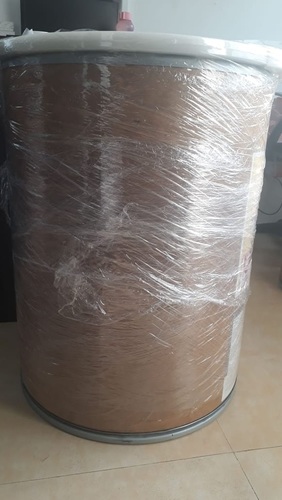
Tell us about your requirement

Price:
Quantity
Select Unit
- 50
- 100
- 200
- 250
- 500
- 1000+
Additional detail
Mobile number
Email

More Products in Oral Solid Dosage Form Category
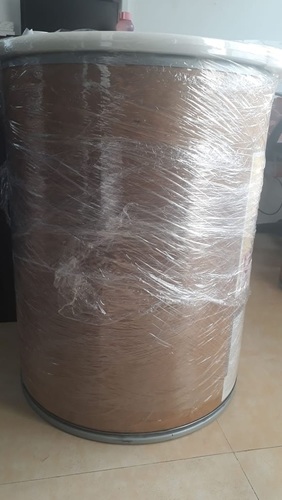
Aqualon ethylcellulose Chemistry: Cellulosics
Price 100 INR / Piece
Minimum Order Quantity : 1 Piece
Grade : Industrial Grade
Type : Other, Cellulosic Polymer
Appearance : White to offwhite powder
Density : 1.12 Gram per cubic centimeter(g/cm3)
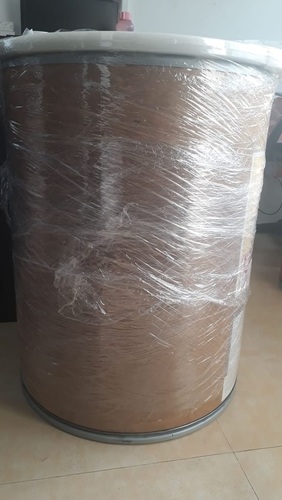
Cavitron cyclodextrin and CAVASOL cyclodextrin
Price 100 INR / Piece
Minimum Order Quantity : 1 Piece
Grade : Pharmaceutical Grade
Type : Other, Cyclodextrin
Appearance : White Crystalline Powder
Density : 1.5 Gram per cubic centimeter(g/cm3)
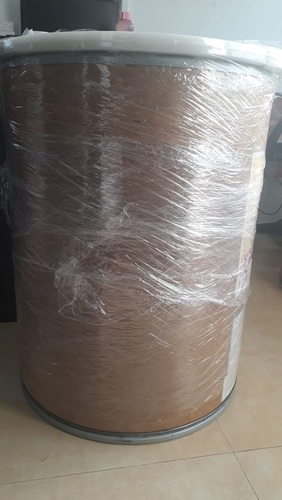
Klucel Hydroxypropylcellulose
Price 100 INR / Piece
Minimum Order Quantity : 1 Piece
Grade : Pharmaceutical Grade
Type : Other, Polymer
Appearance : White to offwhite powder
Density : 1.33 Gram per cubic centimeter(g/cm3)
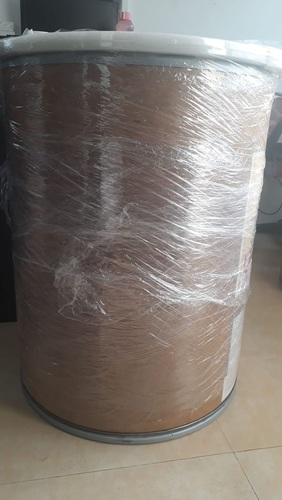
Polyplasdone Crospovidone
Price 100 INR
Minimum Order Quantity : 1 Piece
Grade : Pharma Grade
Type : Other, Disintegrant
Appearance : White to offwhite, freeflowing powder
Density : 0.4 Gram per cubic centimeter(g/cm3)

 Send Inquiry
Our Products


Kesarkunj, Rm No. 9, Vasanji Lalji Road, Kandivali (W), Mumbai - 400067, Maharashtra, India

Mr Nilesh Shah
(Director)
Mobile :08071630254
 Send Inquiry
 Send SMS
 Call Me Free
Developed and Managed by Infocom Network Private Limited.
